United Airlines Outage Delays Flights Across U.S. Airports
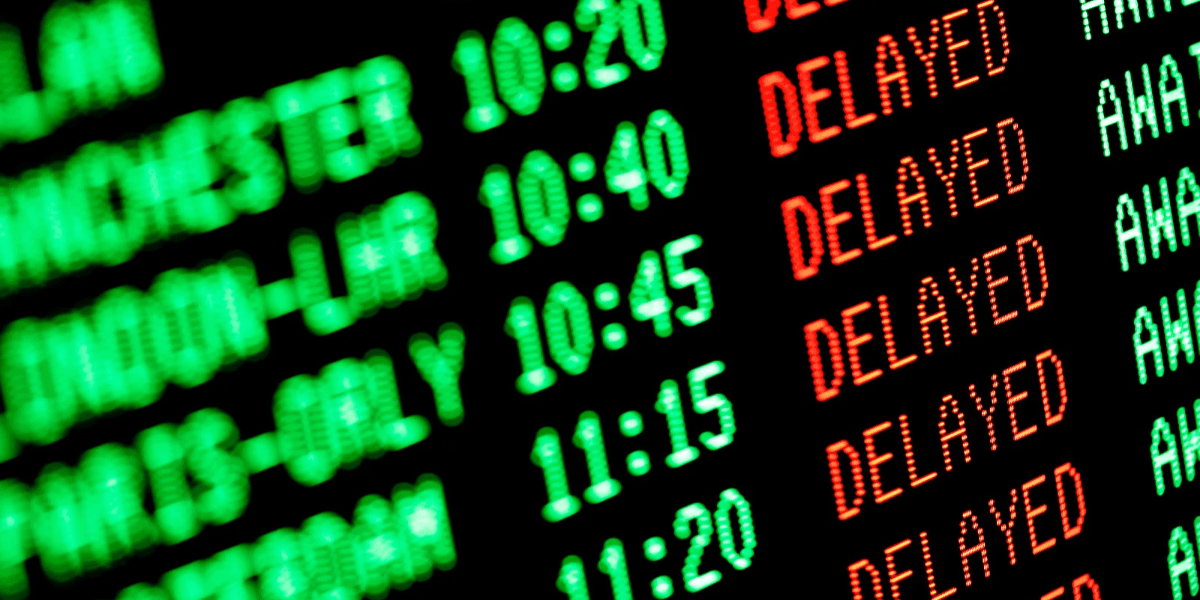
United Airlines restores its systems after a technology outage delays departures, raising questions about airline technology reliability.
A Technology Failure Disrupts Departures Across the United States
Travelers at airports across the United States experienced unexpected delays on November 16 after United Airlines encountered a widespread technology outage affecting departing flights. The disruption prevented some aircraft from receiving essential operational information, forcing crews to remain at airport gates while the airline worked to restore its systems.
The incident lasted approximately one hour and 40 minutes. Although United resolved the problem later that afternoon, the interruption created additional challenges for passengers and airline employees already dealing with several days of travel disruption.
The outage attracted particular attention because it occurred just three days after a separate Federal Aviation Administration network failure triggered a nationwide ground stop. The two incidents raised broader concerns about the reliability of the technology supporting modern air travel.
United confirmed that it had resolved the technical issue and apologized to affected customers. The airline also clarified that flights already in the air and services operated by its United Express regional network were not affected.
What Happened During the United Airlines Outage?
The disruption began when United's operational systems experienced technical difficulties that affected departing aircraft.
According to reporting by The Associated Press, pilots began reporting problems to air traffic controllers because they could not obtain final aircraft weight information needed before departure.
Aircraft weight and balance calculations are essential components of aviation safety. Before takeoff, flight crews must establish the aircraft's total weight and determine how that weight is distributed.
These calculations account for several factors, including passengers, baggage, cargo, and fuel. Pilots also use performance information to determine whether an aircraft can safely take off under current runway and weather conditions.
Modern airlines rely heavily on computer systems to generate and distribute this information. When those systems become unavailable, crews cannot simply proceed without the required figures.
Consequently, some United flights remained at their gates while operational teams worked to restore access to the necessary information.
The Air Line Pilots Association, which represents United pilots, also reported that the disruption affected certain pilot applications, including communication and messaging systems.
United did not immediately identify the specific system responsible for the outage or provide a definitive technical explanation.
Importantly, the airline stated that there was no indication the incident involved a cybersecurity problem.
Why Flights Had to Remain on the Ground
Although passengers may view a departure delay as an operational inconvenience, the incident demonstrated why accurate flight information must take priority over schedule commitments.
Aircraft performance depends on precise calculations. An airplane's weight affects its acceleration, takeoff distance, climb performance, and fuel requirements.
If flight crews cannot obtain verified information, they cannot complete the required departure preparations.
Aviation safety expert Steve Arroyo, a former United pilot, explained to The Associated Press that accurate weight and balance information is essential throughout a flight.
He also supported the decision to delay departures until the information became available.
The incident illustrates an important feature of commercial aviation: technological systems support efficiency, but safety procedures determine when an aircraft is ready to fly.
Even when an airplane, its crew, and its passengers are prepared, a missing operational calculation can prevent departure.
For travelers, this means a delay caused by a technical problem may be necessary to ensure that every required safety check is completed.
Another Challenge After the Nationwide FAA Ground Stop
The United outage occurred during an already difficult period for American air travel.
On November 13, the Federal Aviation Administration ordered a nationwide ground stop after a technical problem affected its air traffic control network.
The disruption lasted more than four hours and created widespread cancellations and delays at airports throughout the country.
More than 12,000 flights were canceled over the weekend, according to reporting by The Associated Press. Thousands of additional flights experienced delays as airlines worked to reposition aircraft, crews, and passengers.
Federal officials subsequently discussed problems involving telecommunications equipment during an upgrade process at an FAA facility.
However, there was no immediate evidence connecting United's November 16 outage to the earlier FAA incident.
The distinction matters. The FAA manages the national air traffic control system, while United operates its own internal systems for flight planning, scheduling, and airline operations.
Although both systems support aviation, they serve different purposes and can experience separate technical problems.
United's outage therefore represented another independent technology challenge rather than confirmation of a continuing nationwide air traffic control failure.
What Passengers Should Know About Flight Disruptions
The incident offers several practical lessons for people traveling by air, particularly during busy holiday periods.
First, passengers should check their flight status before leaving home. Airline applications and airport departure boards can provide updates about schedule changes, gate assignments, and estimated departure times.
Second, travelers should allow additional time when connecting between flights. A delayed departure can affect connecting services, particularly when passengers have limited time between scheduled arrivals and departures.
Third, passengers should keep essential items in their carry-on luggage. Important documents, medications, chargers, and other necessities are easier to access when checked baggage is delayed.
Travelers should also pay attention to official airline announcements rather than relying exclusively on unverified information circulating online.
Although technology problems can create uncertainty, passengers should remember that airlines may need additional time to confirm that their systems are functioning correctly before resuming normal operations.
What the Incident Reveals About Modern Aviation
The United Airlines outage highlights how dependent commercial aviation has become on interconnected digital systems.
Flight operations involve far more than aircraft and airport infrastructure. Airlines depend on software for scheduling, aircraft performance calculations, crew communications, passenger processing, weather information, and operational coordination.
These systems improve efficiency, but interruptions can affect multiple parts of an airline's operations.
For an industry preparing for increased Thanksgiving travel, reliability remains especially important. Even relatively short disruptions can create scheduling complications when aircraft and crews operate on tightly coordinated timetables.
The November 16 incident also reinforces the importance of maintaining reliable technology, developing effective backup procedures, and ensuring that operational teams can respond quickly when systems fail.
United restored its affected services, but the underlying technical cause was not immediately established.
For American travelers, the central takeaway is clear: flight schedules depend on complex technology, and safety must remain the priority whenever that technology becomes unavailable. As the holiday travel season approaches, reliable systems and clear communication will remain essential to keeping passengers informed and aircraft operating safely.

Socal Journal Contributor
Covers regional events and community reporting across the Southern California counties.
This article features partner, contributor, or branded content from a third party. Members of the Socal Journal editorial staff were not involved in the creation of this content. All views and opinions are those of the contributor alone.
You May Also Like

NASA’s Voyager 1 Reaches Historic One Light Day Milestone
SpaceX Makes History With First Starship Orbital Catch

Southern California Hospital Discharge Planning: How RASCC Helps With Difficult Post-Acute and Assisted Living Placements

Santa Monica Weighs 301 Affordable Homes in Downtown Plan

Seal Beach Warns Residents About King Tides and Winter Storm Risks