Santa Monica Weighs 301 Affordable Homes in Downtown Plan
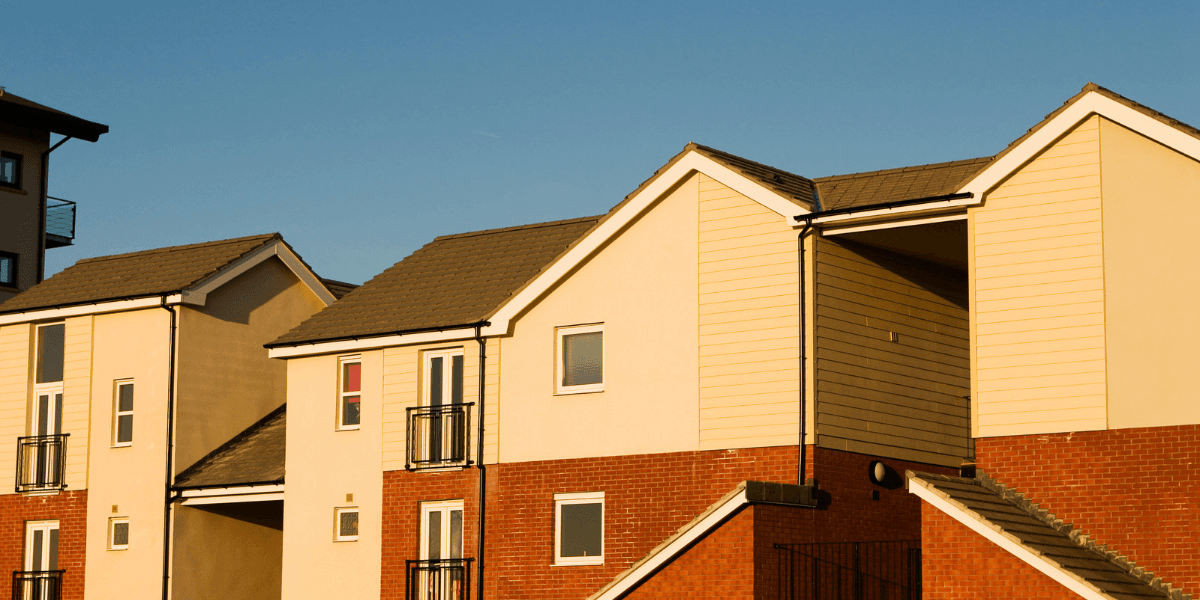
Santa Monica considers a downtown development proposal featuring 301 affordable homes and a new self storage facility.
A Major Housing Proposal Takes Shape in Downtown Santa Monica
A new development proposal could reshape a prominent downtown property in Santa Monica, bringing hundreds of affordable homes to an area close to public transportation. The plan, reported on November 12, 2026, calls for the development of 301 affordable housing units alongside a large self storage facility on approximately 1.85 acres of city owned land.
The proposed project reflects an important challenge facing Southern California communities: how to create more affordable housing while making effective use of limited urban land. As housing costs continue to place pressure on households across the region, projects that prioritize affordable homes are receiving increased attention from local governments, developers, and community organizations.
The site consists of seven parcels located on the 1600 block of Fifth Street, near the Metro E Line station. Its location offers potential advantages for residents who depend on public transportation to reach workplaces, schools, shopping areas, and other essential services.
Cypress Equity Investments Emerges as the Preferred Developer
According to reporting by the Santa Monica Lookout, city staff recommended entering exclusive negotiations with Cypress Equity Investments, a real estate development company that submitted a proposal to purchase the property for $30.25 million, with the potential purchase price reaching $35 million.
The developer's proposed design includes two separate seven story buildings. One would contain 301 affordable apartments, while the other would accommodate a 96,000 square foot rentable self storage facility.
The proposed residential building would include a range of apartment sizes to serve different household needs. The current plan provides for 148 one bedroom apartments, 77 two bedroom apartments, and 76 three bedroom apartments.
This combination is particularly relevant in a region where housing affordability affects individuals, couples, and families with children. Providing different apartment configurations could allow the development to serve a broader range of income qualified households.
City staff identified several reasons for recommending Cypress Equity Investments. These included its commitment to delivering all 301 apartments as affordable housing without requesting a direct city subsidy, its proposed financial terms, and its experience with residential development.
However, the recommendation does not mean the project has received final approval. The proposed agreement would give the developer an opportunity to negotiate with the city and establish whether the development is financially and operationally feasible.
Competing Proposals Highlight Different Development Approaches
Santa Monica received six proposals for the city owned property. Among the leading candidates were Cypress Equity Investments, AMCAL Multi Housing, Inc., and Lincoln Property Company.
AMCAL submitted the highest purchase offer at $38 million. Its proposal included 428 residential units, although only 64 would be affordable.
Lincoln Property Company offered $23 million and proposed 372 apartments, including 54 affordable units.
The differences illustrate the decisions local governments face when evaluating major development opportunities. A higher purchase price can generate additional revenue for a city, but the number of affordable apartments, financing arrangements, project feasibility, and delivery timelines also matter.
City staff expressed concerns about the financing information included in AMCAL's proposal. The assessment raised questions about the certainty of completing the project. Lincoln's proposal offered fewer affordable apartments and included conditions that would require certain city policy commitments.
By comparison, Cypress Equity Investments presented a proposal that placed a larger emphasis on affordable housing while offering competitive financial terms.
The evaluation demonstrates that selecting a development partner involves more than choosing the highest bidder. Cities must also consider whether a proposed project can realistically move from planning to construction.
Why the Property Matters to Santa Monica's Housing Future
The development site has a significant planning history. Between 2021 and 2024, the Santa Monica City Council adopted resolutions declaring the seven city owned parcels surplus land. State housing officials confirmed the designation in November 2024.
The designation gives affordable housing and open space projects priority consideration under California's surplus land requirements.
The proposal also comes as Santa Monica works toward meeting its state housing obligations. The city must plan for 8,895 housing units by October 2029, including 6,168 affordable units.
These requirements place additional importance on identifying suitable properties for residential development. Publicly owned land can provide cities with opportunities to encourage housing construction, particularly when private land prices make affordable projects difficult to finance.
The proposed downtown development could contribute to these goals if negotiations succeed and the project eventually secures the necessary approvals.
Its proximity to public transportation is another important consideration. Housing near established transit connections can give residents more options for commuting and accessing essential services without relying entirely on private vehicles.
What Happens Next?
If the City Council authorizes an Exclusive Negotiating Agreement, Cypress Equity Investments will enter a formal negotiation period with Santa Monica.
During this process, city staff will examine the developer's financing strategy, anticipated tax credits, financial capacity, proposed construction schedule, and conditions for completing the property purchase.
The developer estimates that it could take between 18 and 36 months to reach permit ready status. It proposes completing the purchase within 30 days after permits are ready for issuance, subject to the applicable parcel approvals.
These estimates remain preliminary. The project still requires further evaluation, and important financial and development conditions must be established before construction can move forward.
Any final agreement would also remain subject to additional City Council approval.
A Potential Step Forward for Affordable Housing
The Santa Monica proposal highlights the importance of thoughtful land use planning as Southern California continues to address its housing shortage.
A development combining 301 affordable apartments with a separate storage facility would represent a substantial residential project for downtown Santa Monica. More importantly, its proposed apartment mix could provide housing opportunities for households with different space requirements.
For the city, the challenge will be balancing the financial value of publicly owned land with its responsibility to expand affordable housing opportunities.
The coming negotiations will help determine whether the proposal can move beyond the planning stage and become a completed development.
For Southern California communities facing similar housing pressures, the project offers an example of how public land, private development experience, and affordable housing priorities can come together in an effort to address a growing regional need.

Socal Journal Contributor
Covers property and politics, following development, housing, and the decisions behind both.
This article features partner, contributor, or branded content from a third party. Members of the Socal Journal editorial staff were not involved in the creation of this content. All views and opinions are those of the contributor alone.
You May Also Like

NASA’s Voyager 1 Reaches Historic One Light Day Milestone

United Airlines Outage Delays Flights Across U.S. Airports

SpaceX Makes History With First Starship Orbital Catch

Southern California Hospital Discharge Planning: How RASCC Helps With Difficult Post-Acute and Assisted Living Placements

Seal Beach Warns Residents About King Tides and Winter Storm Risks