NASA Opens New Astronaut Recruitment, Creating Opportunities for America’s Next Space Explorers
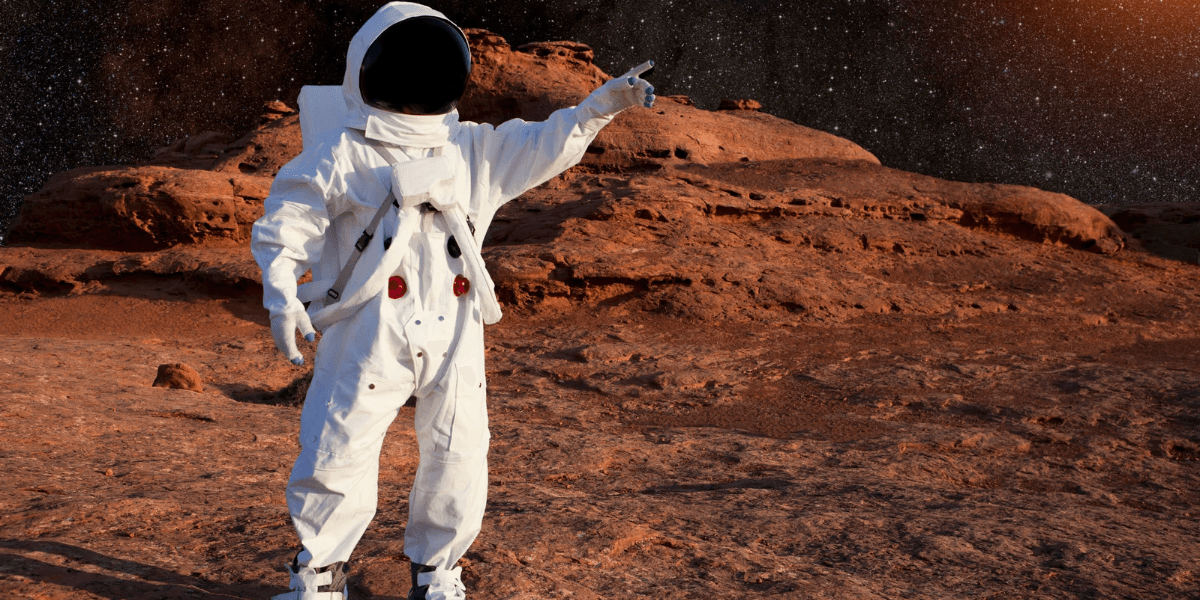
NASA’s latest astronaut recruitment highlights America's continuing investment in space exploration, scientific research, and the next generation of space professionals.
A New Chapter in America’s Space Exploration
The path to becoming an astronaut has always demanded more than ambition. It requires years of education, technical expertise, physical preparation, and a willingness to take on challenges few people experience. On November 8, 2026, NASA's latest astronaut recruitment effort brought that possibility back into the national spotlight.
The announcement comes at a significant time for American space exploration. With NASA continuing its work on lunar exploration, scientific research, and future human spaceflight, selecting qualified candidates remains an important part of preparing for the next era of missions. The recruitment initiative also highlights the growing importance of science, technology, engineering, and mathematics in the country's long-term exploration goals.
What NASA Is Looking For in Its Next Astronaut Class
NASA officially opened its application period on November 7, 2026. According to the agency's announcement, applicants have until December 3, 2026, at 11:59 p.m. Eastern Time to submit their materials.
The selection process is highly competitive. NASA reported that more than 8,000 people applied during its previous recruitment cycle, but only 10 candidates earned places in the 2025 astronaut class. The agency currently has 32 active astronauts. The new recruitment drive will expand that group as NASA prepares for more demanding missions beyond Earth's orbit.
The basic qualifications include U.S. citizenship, a master's degree in an approved science, technology, engineering, or mathematics field, and at least three years of relevant professional experience after completing the qualifying degree. However, NASA recognizes several alternative academic pathways. These include qualifying doctoral studies, certain medical degrees, and nationally recognized test pilot training programs.
Another important part of the process involves physical fitness, leadership, communication, and teamwork. Successful applicants must pass NASA's long-duration astronaut physical. The agency also evaluates candidates for their ability to work under pressure, solve complex problems, and cooperate with colleagues in demanding environments.
Why the Recruitment Matters for America's Lunar Program
The recruitment announcement reflects a broader shift in NASA's human spaceflight ambitions. Rather than focusing only on short visits to space, the agency is working toward a sustained human presence on the Moon.
The Artemis program is central to that effort. Its objectives include returning astronauts to the lunar surface, developing systems for extended operations, and gaining experience that could support future crewed missions to Mars.
NASA's next astronaut candidates could contribute to several areas of this work. Their responsibilities may include spacecraft operations, scientific research, lunar geology, spacewalks, and testing advanced equipment. They will also learn how to operate in environments where communication delays, limited resources, and challenging conditions require careful planning.
The agency's plans include an Artemis mission in 2027 to test spacecraft docking systems near Earth, followed by a planned lunar landing attempt under Artemis IV in 2028. These schedules remain subject to mission developments and operational readiness.
The long-term lunar exploration effort also represents an important change in how space exploration could develop. Future missions will require more than spacecraft and astronauts. They will depend on reliable power systems, robotic equipment, transportation, scientific instruments, and infrastructure that can support extended operations.
What This Means for Southern California
The announcement carries particular interest for Southern California, a region with a longstanding connection to America's aerospace and scientific research industries.
NASA's Jet Propulsion Laboratory in Pasadena is one of the region's most prominent centers for space science and robotic exploration. Managed by the California Institute of Technology for NASA, JPL develops and operates spacecraft that investigate planets, moons, and other parts of the solar system.
Although astronaut recruitment is managed through NASA's human spaceflight program, the broader exploration effort depends on scientific and engineering work performed across the country, including in California.
For Southern California students, universities, educators, and aerospace professionals, the recruitment announcement offers a timely reminder of the opportunities associated with science and engineering education. It also demonstrates how different professional disciplines contribute to space exploration.
Astronauts represent only a small part of the workforce behind a space mission. Engineers, software developers, researchers, technicians, geologists, communications specialists, and mission planners all contribute to making exploration possible.
This wider workforce is important to understand. Not everyone interested in space needs to pursue an astronaut career. Many meaningful contributions happen on the ground, in laboratories, universities, research facilities, and aerospace companies.
What Happens After Applications Close?
NASA's selection process will continue well beyond the December application deadline. According to the agency's published selection timeline, applications will undergo an initial review between December 2026 and April 2027.
Selected applicants will then move through interview and assessment stages at NASA's Johnson Space Center in Houston. Initial interviews are expected in spring 2027, followed by final assessments during summer. NASA anticipates announcing its new astronaut candidate class in fall 2027.
Those selected will report to Johnson Space Center in winter 2027 or early 2028. Their initial training will last approximately two years and cover essential astronaut skills, including spacewalking, spacecraft operations, aircraft training, and robotic equipment control.
The process also requires patience. Selection does not mean an immediate trip to space. Astronaut candidates must complete extensive training before receiving flight assignments. Even then, mission schedules depend on spacecraft readiness, safety assessments, and operational requirements.
The Bigger Takeaway: Space Exploration Begins With Preparation
NASA's November recruitment announcement is more than a new hiring opportunity. It represents another step in preparing the people and capabilities needed for America's next chapter in space exploration.
For readers in Southern California, the development connects directly to the region's broader scientific and aerospace identity. It highlights the importance of education, research, technical skills, and collaboration in advancing discoveries that extend beyond national borders.
The next generation of astronauts may eventually help establish a sustained human presence on the Moon and contribute to future exploration of Mars. However, those ambitions depend on years of preparation, careful engineering, and the combined efforts of thousands of professionals.
As NASA moves through its selection process, the announcement offers an important perspective for students, families, educators, and anyone following developments in space science: the future of exploration is shaped not only by those who travel into space, but also by the people whose knowledge and dedication make those journeys possible.
Readers interested in the recruitment process, eligibility requirements, and application deadlines can explore the information available through NASA's official website at NASA.gov.

Socal Journal Contributor
Covers culture and lifestyle, from how Southern California lives to what it makes of itself.
This article features partner, contributor, or branded content from a third party. Members of the Socal Journal editorial staff were not involved in the creation of this content. All views and opinions are those of the contributor alone.
You May Also Like
NASA’s Voyager 1 Reaches Historic One Light Day Milestone

United Airlines Outage Delays Flights Across U.S. Airports
SpaceX Makes History With First Starship Orbital Catch

Southern California Hospital Discharge Planning: How RASCC Helps With Difficult Post-Acute and Assisted Living Placements

Santa Monica Weighs 301 Affordable Homes in Downtown Plan