International Mars Society Convention 2026 Opens At USC With Scientists And Space Exploration Experts
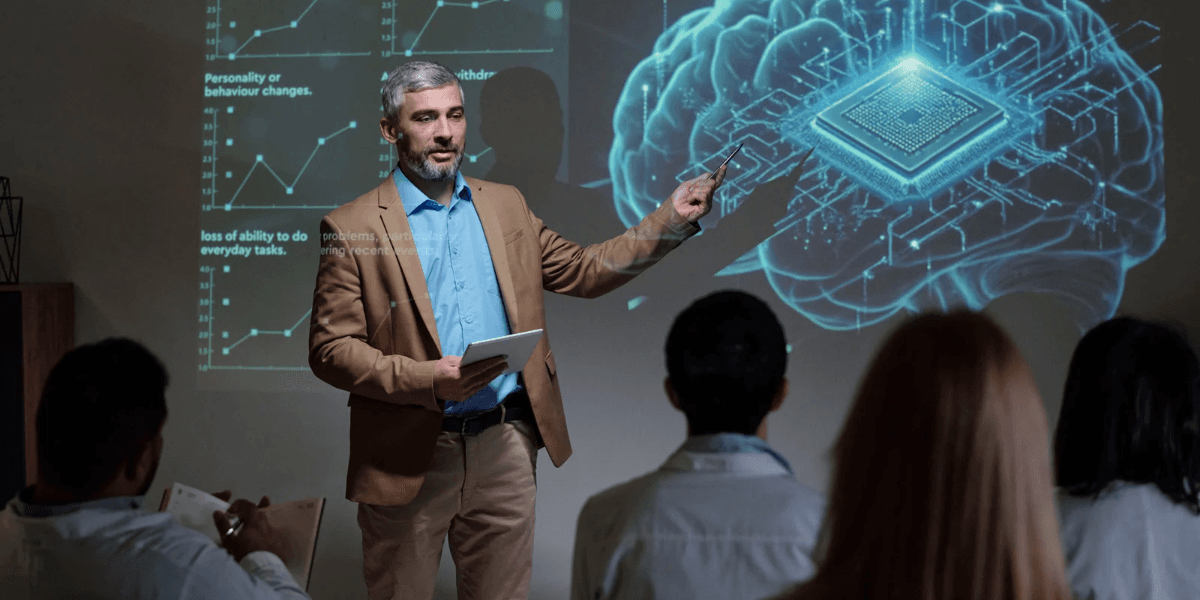
Los Angeles hosts the 2026 Mars Society Convention at USC, bringing scientists and engineers together to discuss Mars exploration.
LOS ANGELES, California, October 22, 2026. The future of space exploration takes center stage in Southern California as the 29th International Mars Society Convention opens at the University of Southern California. Scientists, engineers, former astronauts, researchers, and space enthusiasts are gathering for three days of presentations and discussions focused on exploring Mars and understanding the technologies required for future missions.
Running from October 22 through October 24, the convention brings together more than 80 scheduled speakers and participants from different scientific and technical fields. Hosted at USC's Ronald Tutor Campus Center in Los Angeles, the event highlights advances in planetary science, robotic exploration, spacecraft technology, and the challenges associated with sending humans to Mars.
The gathering also demonstrates Southern California's continuing importance within the aerospace industry, particularly through its connections to scientific research, engineering, and space technology development.
International Mars Society Convention 2026 Opens With Scientific Presentations
The opening day begins with a presentation by Mars Society President Dr. Robert Zubrin, followed by remarks from Executive Director James Burk.
The program includes a presentation by Humphrey "Hoppy" Price, chief engineer of the Robotic Mars Exploration Program at NASA's Jet Propulsion Laboratory.
Additional sessions examine the possibility of microbial life on Mars, scientific methods for studying the planet's environment, and technologies that could support future exploration.
Among the scheduled speakers is Dr. Vint Cerf, a prominent figure in the development of the internet, whose presentation addresses communications across the solar system.
These discussions highlight the complex challenges associated with exploring another planet. Reliable communications, scientific instruments, transportation systems, and environmental research are all essential components of successful space missions.
USC Becomes A Center For Mars Exploration Discussions
The University of Southern California provides the setting for the convention's technical presentations, educational sessions, and discussions involving specialists from multiple disciplines.
The event includes morning presentations, afternoon breakout sessions, and evening programs designed to encourage exchanges between researchers and attendees.
Topics range from robotic exploration and planetary geology to spacecraft propulsion, life support systems, and mission planning.
The convention also offers opportunities for students and early career researchers to learn about the scientific and engineering challenges associated with space exploration.
For Southern California's academic community, gatherings of this kind provide exposure to emerging research and demonstrate how different scientific disciplines contribute to major technological projects.
NASA Scientists And Aerospace Experts Examine Future Missions
NASA's Jet Propulsion Laboratory, located in Pasadena, has played a central role in robotic exploration of Mars through missions involving orbiters, landers, and rovers.
The convention's program includes researchers connected with NASA and other aerospace organizations, allowing attendees to examine developments in planetary exploration.
A major subject is the continued investigation of Mars' surface, atmosphere, and geological history.
Robotic missions have helped scientists study ancient environments, examine rock formations, and search for evidence that the planet may once have supported conditions suitable for microbial life.
However, scientists have not confirmed the discovery of life on Mars. Investigating that possibility remains an important scientific objective.
The distinction between established findings and unanswered questions is essential to understanding the progress of planetary exploration.
Space Technology And Engineering Challenges Receive Attention
Beyond scientific discoveries, the convention explores the engineering systems required for future missions.
Sending humans to Mars would involve challenges considerably greater than those associated with travel to low Earth orbit.
Engineers must consider spacecraft reliability, radiation exposure, communication delays, life support requirements, and the transportation of essential equipment.
Mars' distance from Earth also means that spacecraft cannot depend on immediate communication with mission controllers.
The convention includes discussions about propulsion systems, robotic assistance, and the potential use of local resources to support future exploration.
These subjects remain areas of active research. Proposed technologies and mission concepts must undergo extensive development and testing before they can be considered ready for human exploration.
Why The Convention Matters To Southern California
Southern California has a longstanding connection to aerospace engineering and space science.
Institutions such as NASA's Jet Propulsion Laboratory, major universities, and private aerospace companies have contributed to spacecraft development, planetary research, and advanced engineering.
Hosting the International Mars Society Convention in Los Angeles reinforces the region's role as a gathering place for scientific knowledge and technical expertise.
The event also provides educational value for students interested in careers involving physics, astronomy, robotics, computer science, and engineering.
Although the convention focuses on Mars, many of the technologies discussed involve broader scientific challenges, including autonomous systems, advanced communications, and efficient resource management.
Understanding these challenges can help audiences appreciate the research and collaboration required to conduct complex space missions.
What Attendees Should Know About The Three Day Convention
The International Mars Society Convention continues through Saturday, October 24, at USC's Ronald Tutor Campus Center.
The program features technical presentations, panel discussions, and opportunities for participants to exchange ideas about planetary exploration.
Scheduled speakers for the following days include former NASA astronaut Garrett Reisman and Dr. Ashwin Vasavada, project scientist for NASA's Curiosity rover mission.
The Mars Society is also providing online coverage of convention programming, allowing people outside Los Angeles to follow selected presentations.
For residents interested in astronomy and space technology, the convention offers an opportunity to learn about ongoing research and the questions scientists are working to answer.
As the 2026 gathering begins, its significance extends beyond the possibility of future human missions to Mars. The event highlights the scientific curiosity, technical challenges, and collaboration that continue to shape space exploration.
For Southern California, the convention is another reminder of the region's important contributions to aerospace research and technological development.

Socal Journal Contributor
Covers regional events and community reporting across the Southern California counties.
This article features partner, contributor, or branded content from a third party. Members of the Socal Journal editorial staff were not involved in the creation of this content. All views and opinions are those of the contributor alone.
You May Also Like

Frances Lundmark Makes Federal Benefits Clear
Compton Air & Space Fair 2026 Brings Aviation Education And Career Exploration To Southern California
Reggie Burrows Hodges Opens Three Major Art Exhibitions Across Los Angeles On October 20, 2026

Los Angeles State Historic Park Hosts 82WORLD LA Music Festival With Global Artists And Fan Experiences

Hair Extensions Los Angeles: Custom Extensions in Santa Monica