Severe Thanksgiving Storm Disrupts Travel Across the United States
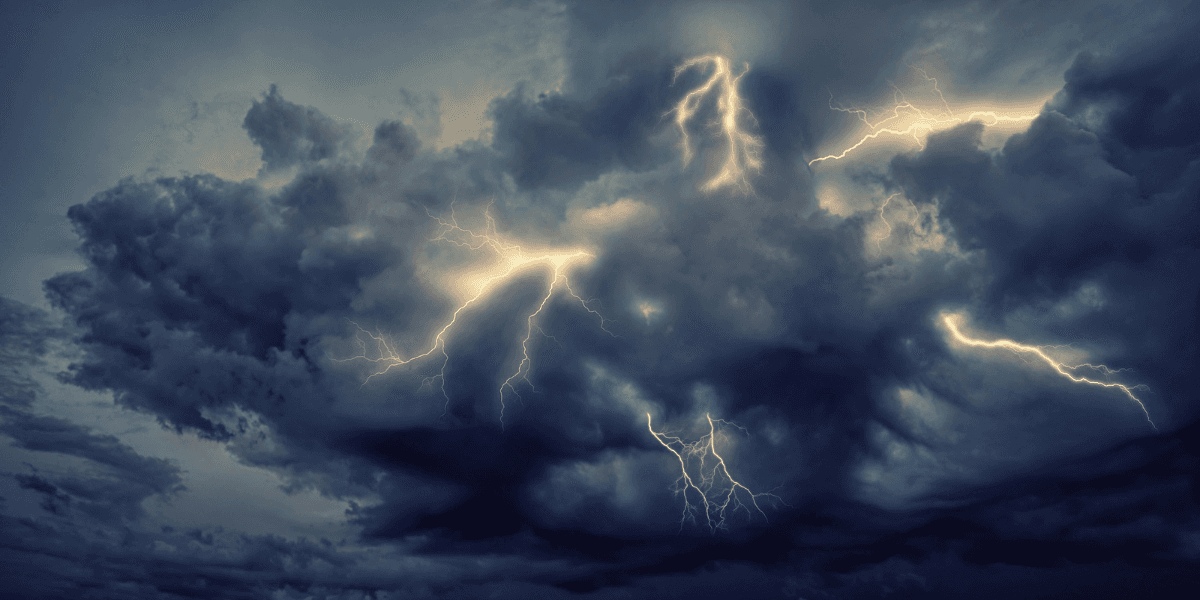
Severe Thanksgiving storms disrupted travel, damaged coastal infrastructure, and forced changes to major holiday celebrations across America.
Thanksgiving Storm 2026 Brings Widespread Disruptions Across America
Thanksgiving is traditionally a time for family gatherings, holiday celebrations, and travel across the United States. However, on November 26, 2026, powerful storms changed holiday plans for millions of Americans, bringing heavy rain, strong winds, flooding, and hazardous winter weather to several parts of the country.
The severe weather affected both the East and West coasts, while parts of the Midwest faced additional winter storm threats. Airports, highways, coastal communities, and major holiday events experienced disruptions as authorities responded to changing conditions.
One of the most notable developments was the postponement of the 100th Macy's Thanksgiving Day Parade in New York City. Meanwhile, flooding and unusually high coastal tides created additional concerns for communities along the Pacific Coast, including California.
The widespread disruptions highlighted how severe weather can affect major national celebrations and create challenges for travelers during one of the busiest periods of the American holiday calendar.
New York Parade Postponed as Winds Raise Safety Concerns
The weather forced a historic change to one of America's best-known Thanksgiving traditions. Macy's postponed its 100th Thanksgiving Day Parade after officials raised concerns about strong winds around Manhattan's skyscrapers.
The parade had been expected to feature 100 inflatables, marking its centennial celebration. However, organizers decided that proceeding under dangerous wind conditions could put spectators, performers, and event personnel at risk.
The parade was rescheduled for Saturday, November 28, following consultations with city officials. The decision reflected concerns about the safety of operating enormous balloons in unpredictable wind conditions.
Philadelphia also experienced changes to its Thanksgiving celebrations. Authorities moved the city's parade away from its traditional street format and planned an alternative television presentation.
These developments demonstrated how weather conditions can affect even carefully organized public events. They also highlighted the importance of contingency planning when large crowds and temporary event structures are involved.
East Coast Flooding Creates Transportation Challenges
The Eastern Seaboard experienced some of the most significant disruptions on Thanksgiving Day.
Heavy rainfall and strong winds affected communities from North Carolina through New Jersey. Coastal flooding became particularly concerning as high tides combined with storm conditions.
Wind gusts were forecast to reach 50 miles per hour or higher along portions of the Interstate 95 corridor. Weather advisories covered areas stretching from northern Georgia through the Mid Atlantic and into southern New England.
Several transportation routes also faced temporary closures.
The Chesapeake Bay Bridge Tunnel in Virginia closed for several hours because of dangerous winds. In North Carolina, NC 12, the primary highway connecting Hatteras Island with the mainland, closed after seawater crossed protective dunes and flooded the roadway.
Emergency personnel also responded to vehicles stranded in floodwater. In parts of New Jersey and New York, emergency declarations reflected the seriousness of the developing conditions.
Power outages added another challenge. More than 500,000 homes and businesses were without electricity on Thursday morning, with most reported outages concentrated in Eastern states.
These conditions created difficulties for residents, businesses, and families traveling during the holiday.
California Faces Coastal Flooding and Powerful Waves
While the East Coast dealt with heavy rain and strong winds, California experienced another significant weather concern: unusually high tides and powerful ocean waves.
The phenomenon known as king tides occurs when the gravitational forces of the moon and sun align, producing exceptionally high water levels along coastlines.
On November 26, coastal flood warnings covered areas extending from Southern California through the San Francisco region and into Oregon and Washington.
One particularly notable incident occurred in Pacifica, California, where powerful waves damaged the city's municipal pier.
A section of the Pacifica Municipal Pier collapsed after being struck by large waves on November 25. The structure had already been closed during the summer after cracks were discovered.
Further north, authorities in Marin County issued an evacuation warning for beachfront properties in Stinson Beach. Officials expressed concerns that large waves could carry seawater and debris onto nearby roads and residential properties.
Although the warning was later lifted, residents were advised to remain cautious around the shoreline.
For Southern California residents, these developments are particularly relevant. Coastal communities face changing ocean conditions, and unusually high tides can increase the risk of flooding in vulnerable locations.
The events also demonstrate why local coastal advisories deserve attention, even when the most severe storm activity is occurring elsewhere.
Winter Weather Adds Another Layer of Disruption
The storm system also brought winter weather concerns to parts of the central United States.
Winter storm warnings and watches were issued for sections of Missouri and Illinois. Forecasts indicated that areas around St. Louis could receive as much as 13 inches of snow.
Snowfall was also reported farther south, including Florence, Alabama, although temperatures were not cold enough for significant accumulation.
Air travel faced additional challenges. Weather officials warned that reduced visibility, turbulence, strong winds, and aircraft icing could affect flights at Eastern airports through Friday morning.
For Thanksgiving travelers, these conditions reinforced the importance of checking updated flight information and transportation advisories before beginning a journey.
What the Thanksgiving Storm Means for American Communities
The November 26 weather disruptions offer several important lessons for residents and travelers.
First, holiday travel requires flexibility. Even when journeys are planned weeks in advance, severe weather can affect airports, highways, and public transportation with little notice.
Second, coastal communities need to remain attentive to tide conditions, wave forecasts, and local flood warnings. California's experience illustrates how high surf can create hazards even without a major rainfall event.
Third, large public celebrations depend on careful safety planning. The postponement of Macy's centennial parade demonstrated that protecting spectators and participants must take priority over maintaining an established event schedule.
Finally, reliable weather information remains essential. Residents can follow updates from the National Weather Service, local emergency management agencies, transportation authorities, and airport operators.
The storm's effects were not limited to one state or region. Instead, they illustrated how a widespread weather system can disrupt transportation, public celebrations, electricity services, and coastal infrastructure simultaneously.
For Southern California, the coastal flooding reports deserve particular attention because they provide a timely reminder of the importance of local preparedness.
As communities continue recovering from the Thanksgiving disruptions, updated forecasts and official safety information will remain important for determining travel conditions and assessing the effects of the storm.

Socal Journal Contributor
Covers regional events and community reporting across the Southern California counties.
This article features partner, contributor, or branded content from a third party. Members of the Socal Journal editorial staff were not involved in the creation of this content. All views and opinions are those of the contributor alone.
You May Also Like
FAA Forecasts Busiest Thanksgiving Air Travel In 16 Years

Aquarium Of The Pacific Celebrates Asian Heritage At 25th Autumn Festival
NASA’s Voyager 1 Reaches Historic One Light Day Milestone
United Airlines Outage Delays Flights Across U.S. Airports
SpaceX Makes History With First Starship Orbital Catch