Stingray Encounters Surge Along Southern California Beaches as Marine Heat Wave Warms Coastal Waters
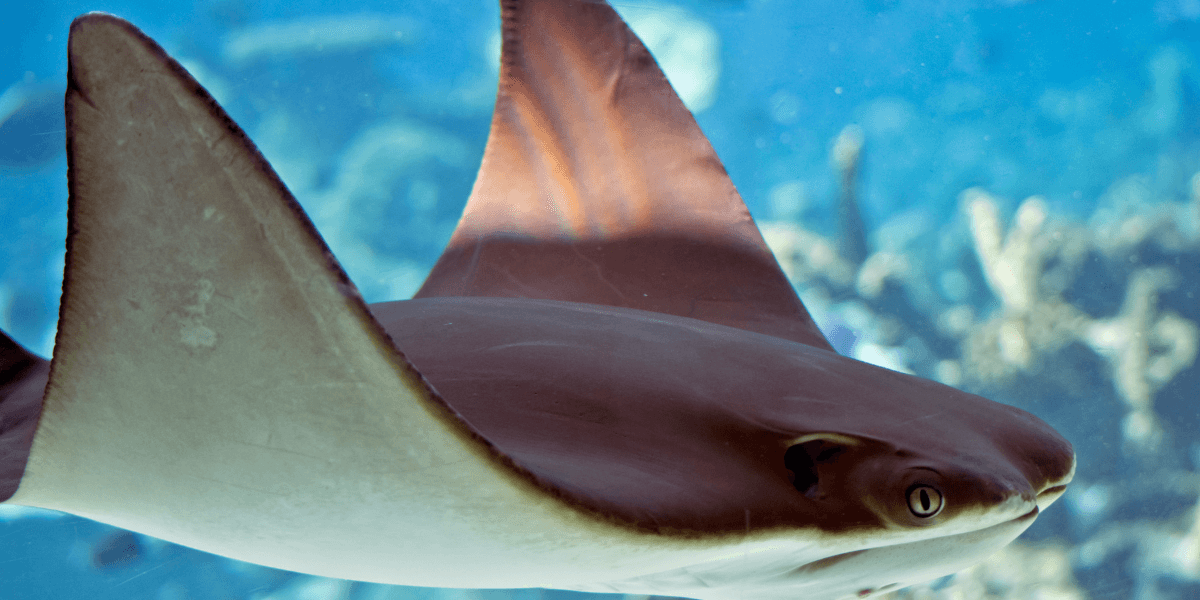
Southern California beachgoers are facing an unusual increase in stingray encounters this summer as persistently warm ocean conditions bring more of the animals into shallow coastal waters.
More than 3,100 stingray incidents have been reported so far this year at Bolsa Chica and Huntington State Beaches, roughly twice the number recorded during all of 2025, according to figures reported by the Associated Press. San Diego beaches have also recorded more than 900 stingray incidents, making 2026 the busiest year for such encounters there in at least five years.
The increase is drawing attention from lifeguards, researchers and coastal officials as Southern California enters one of its busiest periods for beach recreation.
Warmer Waters Bring Stingrays Closer to Shore
Round stingrays are a familiar part of Southern California’s coastal ecosystem. The animals commonly occupy sandy, shallow areas and generally avoid people. Most incidents occur when a swimmer or beachgoer accidentally steps on a ray, prompting it to defend itself with its tail spine.
This year, unusually warm ocean conditions appear to be contributing to increased stingray activity near popular swimming areas. The marine heat wave affecting waters along the West Coast has persisted since 2025, with NOAA reporting that coastal sea-surface temperatures off California have been among the warmest observed for this time of year.
The warmer conditions are significant because ocean temperature can influence where marine animals gather and how they behave. For beachgoers, that can translate into more encounters in areas that are normally heavily used for swimming, surfing and wading.
The situation is particularly noticeable in Orange County. Huntington Beach and Bolsa Chica State Beach attract large numbers of visitors throughout the summer, increasing the likelihood that people will encounter stingrays when the animals move into shallow water.
Lifeguards and Researchers Work to Reduce Injuries
Local lifeguards have been treating a growing number of stingray injuries while researchers study the animals and their movements.
In Seal Beach, researchers recently captured approximately 200 stingrays in a coordinated effort and clipped their barbs before releasing them. The work is intended to help researchers better understand the population while reducing the immediate risk to beach users.
Officials are also examining ways to provide more timely warnings when stingray activity increases. Possible measures include beach advisories and other forms of information that can alert swimmers to elevated activity in particular areas.
The response reflects a broader effort to balance public recreation with protection of coastal wildlife. Stingrays are not actively hunting or attacking swimmers; most injuries are defensive reactions caused by accidental contact.
A Sign of Changing Coastal Conditions
The rise in stingray incidents is also providing a visible example of how changing ocean conditions can affect everyday life along the California coast.
NOAA scientists have been monitoring a large marine heat wave in the California Current. The agency reported that portions of the West Coast experienced ocean temperatures several degrees above normal during the prolonged event. NOAA’s California Current Marine Heatwave Tracker has continued to monitor the development and movement of unusually warm water.
Marine heat waves can influence the distribution of fish and other marine species, potentially changing where animals feed, reproduce or spend time. NOAA Fisheries has warned that prolonged unusual ocean temperatures can have consequences for marine ecosystems, fisheries and species distribution.
The current conditions are also occurring alongside El Niño, which NOAA has identified as developing in the tropical Pacific. Researchers distinguish the two phenomena, however, noting that the California coastal temperature anomalies were already established before El Niño began affecting the region.
What Beachgoers Can Do
The increase in stingray encounters does not mean Southern California beaches are unsafe or that visitors should avoid the ocean. Instead, lifeguards recommend simple precautions when entering shallow water.
One commonly recommended technique is to shuffle the feet rather than take normal steps. The movement can alert stingrays that a person is approaching and give them an opportunity to move away.
Beachgoers should also pay attention to signs, advisories and instructions from local lifeguards, particularly when entering shallow sandy areas where stingrays are commonly found.
Anyone who is injured should seek assistance from lifeguards or medical professionals, particularly if the injury is severe or symptoms persist.
What Comes Next
The elevated stingray activity is expected to remain an issue worth watching as long as unusually warm coastal conditions persist and large numbers of people continue visiting Southern California beaches.
For residents and visitors, the immediate takeaway is straightforward: stingrays remain a natural part of the local marine environment, but unusual ocean conditions can change where they are found and increase encounters with people.
The events also demonstrate why scientists continue to monitor ocean temperatures and marine ecosystems closely. Changes that begin far offshore can eventually become noticeable on the beach, affecting recreation, wildlife and coastal communities.
As Southern California’s summer beach season continues, lifeguards and researchers will be watching both stingray activity and ocean temperatures to better understand how the region’s unusually warm waters are influencing marine life.

Socal Journal Contributor
Covers regional events and community reporting across the Southern California counties.
This article features partner, contributor, or branded content from a third party. Members of the Socal Journal editorial staff were not involved in the creation of this content. All views and opinions are those of the contributor alone.
You May Also Like
Hurricane Polo Swells Bring Dangerous Surf And Coastal Flooding To Southern California

Los Angeles Libros Festival Brings Bilingual Stories And Community Celebration To Central Library

The Other Art Fair Los Angeles Opens In Santa Monica With 160 Independent Artists

California Expands Climate Credits As Millions Receive September Electricity Bill Relief

Your Next Move Launches Founding University Partnership to Give Students Career Clarity Before the Job Search