Extreme Heat Grips Much of the United States as Authorities Urge Safety Precautions

A widespread and dangerous heat wave continued to impact large portions of the United States on July 27, 2026, prompting weather officials to issue heat advisories and extreme heat warnings across numerous states. The prolonged stretch of exceptionally high temperatures affected millions of Americans, disrupted outdoor activities, and heightened public health concerns as local governments encouraged residents to take precautions against heat-related illnesses.
The National Weather Service and local emergency management agencies warned that temperatures exceeding 100 degrees Fahrenheit, combined with high humidity in many regions, could create heat index values between 105 and 115 degrees. These conditions significantly increase the risk of heat exhaustion and heat stroke, particularly for older adults, young children, outdoor workers, and individuals with chronic medical conditions.
The extreme weather stretched across much of the central and southern United States while also affecting portions of the West. Cities from Texas to the Midwest experienced unusually high daytime temperatures, with some communities approaching or surpassing local records. Even areas accustomed to warm summer weather reported prolonged periods of excessive heat, leading officials to emphasize the importance of limiting outdoor activity during the hottest hours of the day.
Meteorologists attributed the event to a strong high-pressure system, commonly known as a “heat dome.” This weather pattern traps warm air over a large geographic area, preventing cooler air from moving in and allowing temperatures to steadily climb over several days. Under these conditions, overnight temperatures often remain elevated, reducing opportunities for people and buildings to cool down before the next day’s heat arrives.
Communities across affected regions responded by opening cooling centers in libraries, community centers, and other public facilities to provide relief for residents without reliable air conditioning. Local officials also encouraged neighbors to check on elderly family members and vulnerable individuals who may be at greater risk during prolonged periods of extreme heat.
Health experts continued to stress that extreme heat remains one of the nation’s deadliest weather hazards. Unlike storms or hurricanes that often receive immediate public attention, excessive heat can develop gradually while still causing serious medical emergencies. Symptoms of heat-related illnesses include dizziness, rapid heartbeat, heavy sweating, nausea, muscle cramps, fatigue, and confusion. Prompt cooling and immediate medical attention are essential if signs of heat stroke appear.
The heat wave also affected daily routines and outdoor operations. Schools hosting summer programs, youth sports organizations, and recreation departments adjusted schedules or moved activities indoors whenever possible. Some outdoor festivals, sporting events, and community gatherings were postponed or canceled to reduce health risks for participants and spectators.
Electric utility providers closely monitored increased power demand as millions of households relied heavily on air conditioning. Energy officials encouraged consumers to conserve electricity during peak afternoon and evening hours by adjusting thermostats, delaying the use of major appliances, and reducing unnecessary energy consumption. These conservation efforts help ease pressure on electrical grids during periods of exceptionally high demand.
Agriculture also faced challenges from the prolonged heat. Farmers and ranchers in several states took additional measures to protect livestock by providing shade, increasing water supplies, and adjusting feeding schedules. Crops exposed to sustained high temperatures also experienced additional stress, particularly in areas where rainfall had been below average.
While Southern California generally experienced less severe temperatures than parts of the central United States during this weather event, inland valleys and desert communities continued to monitor conditions closely. Local weather agencies reminded residents that heat risks can escalate quickly during the summer months and encouraged everyone to remain aware of local forecasts and advisories.
Emergency preparedness officials recommended several practical steps for staying safe during periods of excessive heat. Residents were advised to drink plenty of water throughout the day, wear lightweight and light-colored clothing, avoid strenuous outdoor activities during the afternoon, and spend time in air-conditioned environments whenever possible. Officials also reminded the public never to leave children or pets inside parked vehicles, where interior temperatures can become life-threatening within minutes.
Weather forecasters expected some regions to receive gradual relief later in the week as atmospheric conditions began to shift. However, they cautioned that additional periods of extreme heat remained possible as summer continued.
The widespread heat wave served as a reminder of the importance of weather preparedness and community awareness. Taking preventive measures, checking on vulnerable neighbors, and following guidance from local weather officials can significantly reduce the risk of heat-related illnesses during prolonged periods of excessive temperatures.
As summer continues across the United States, emergency management agencies encourage residents to stay informed, monitor local weather updates, and take heat advisories seriously. Simple precautions and timely preparation remain the most effective ways to stay safe during one of the season’s most persistent weather hazards.

Socal Journal Contributor
Covers regional events and community reporting across the Southern California counties.
This article features partner, contributor, or branded content from a third party. Members of the Socal Journal editorial staff were not involved in the creation of this content. All views and opinions are those of the contributor alone.
previous post
Frances Lundmark Makes Federal Benefits Clear
You May Also Like

Frances Lundmark Makes Federal Benefits Clear

Hair Extensions Los Angeles: Custom Extensions in Santa Monica

The Man Who Cleans Orange County's Dirtiest Cans

Dr. Ahriana Platten Reframes Menopause as a Sacred Journey to Sovereignty
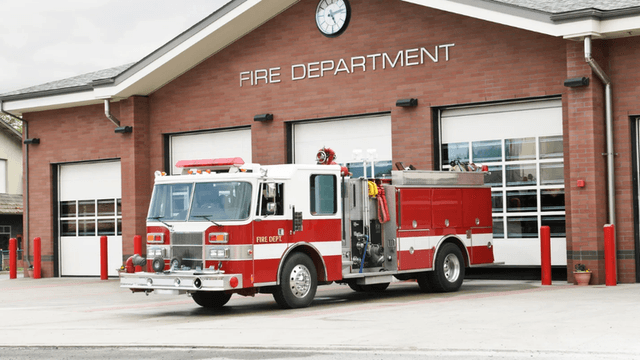
Los Angeles Fire Department Highlights Battery Safety As Fire Prevention Week 2026 Concludes