
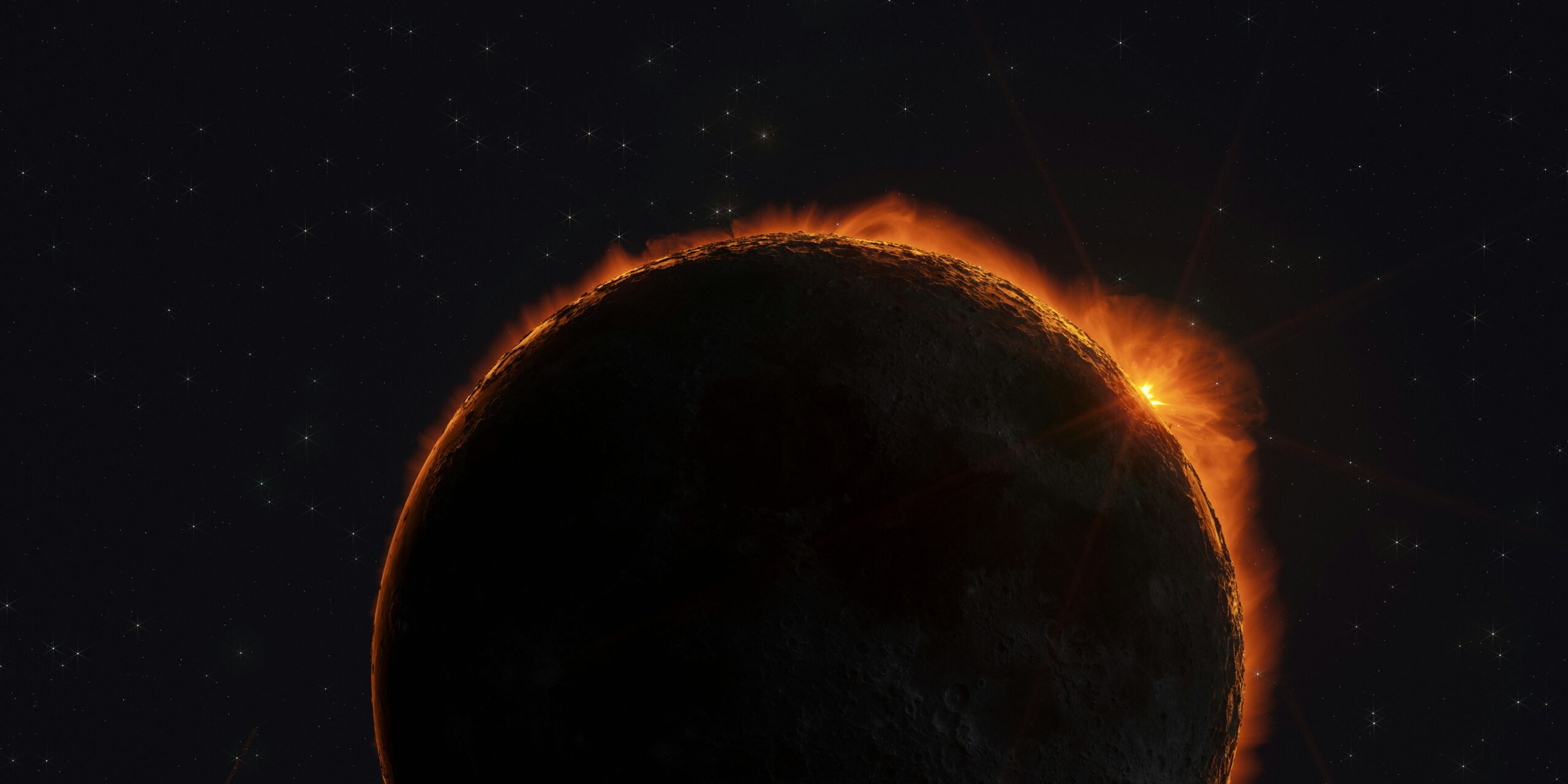
On January 3, 2026, skywatchers across the United States had their eyes fixed on a stunning celestial event: the first full moon of the year, often referred to as the Wolf Moon. This spectacular moon reached its peak illumination early that morning, captivating stargazers nationwide with its brightness and beauty. The Wolf Moon appeared larger and more radiant than usual due to its proximity to Earth, a phenomenon known as a supermoon, which occurs when the moon’s orbit brings it closer to the planet.
The origins of the Wolf Moon’s name are steeped in traditional folklore, with the full moon being associated with the howling of wolves during mid-winter nights. Historically, wolves were said to have been heard more often on cold, crisp nights, their howls echoing through the wilderness. This connection between the moon and wolves has been passed down through generations, lending the Wolf Moon its distinct and evocative name.
For many, the timing of this celestial event provided a rare opportunity to enjoy a full moon on a grand scale. The moon was visible across the entire country, from coast to coast, on the evening of January 2 and into the night of January 3. This wide visibility allowed both city dwellers and those in more rural areas to witness the spectacle without the need for extensive travel. Parks, rooftops, and other scenic locations became popular gathering spots for those eager to take in the sight of the supermoon.
Amateur astronomers and photography enthusiasts were out in full force, capturing the moon’s rise and sharing their images and time-lapse videos across social media platforms. The bright light of the supermoon created an unforgettable backdrop for moonrise photos, with many taking to their cameras to capture the event in all its glory. The buzz on social media was palpable, as photos and videos of the Wolf Moon flooded the internet, giving those who weren’t able to view it firsthand a taste of its breathtaking beauty.
The timing of the Wolf Moon also coincided with the peak of the Quadrantid meteor shower, adding to the celestial excitement. However, the brightness of the full moon, while enchanting in its own right, made it more challenging for casual observers to spot the meteors, as the bright moonlight tended to outshine the streaks of light. Despite this, many stargazers still managed to catch glimpses of the meteors, with some taking the opportunity to capture both the supermoon and meteors in their shots, creating stunning dual images of the sky.
In conclusion, the Wolf Moon of January 2026 offered a remarkable start to the year for stargazers across the U.S. With its supermoon status, folklore significance, and perfect visibility for much of the country, it was a celestial event that captured the imagination of many. Whether through social media, telescopes, or simply gazing at the sky, the Wolf Moon brought people together in their shared appreciation of the beauty and wonder of the universe.

