Southern California Expands Coastal Resilience Efforts Following Severe Storm Impacts
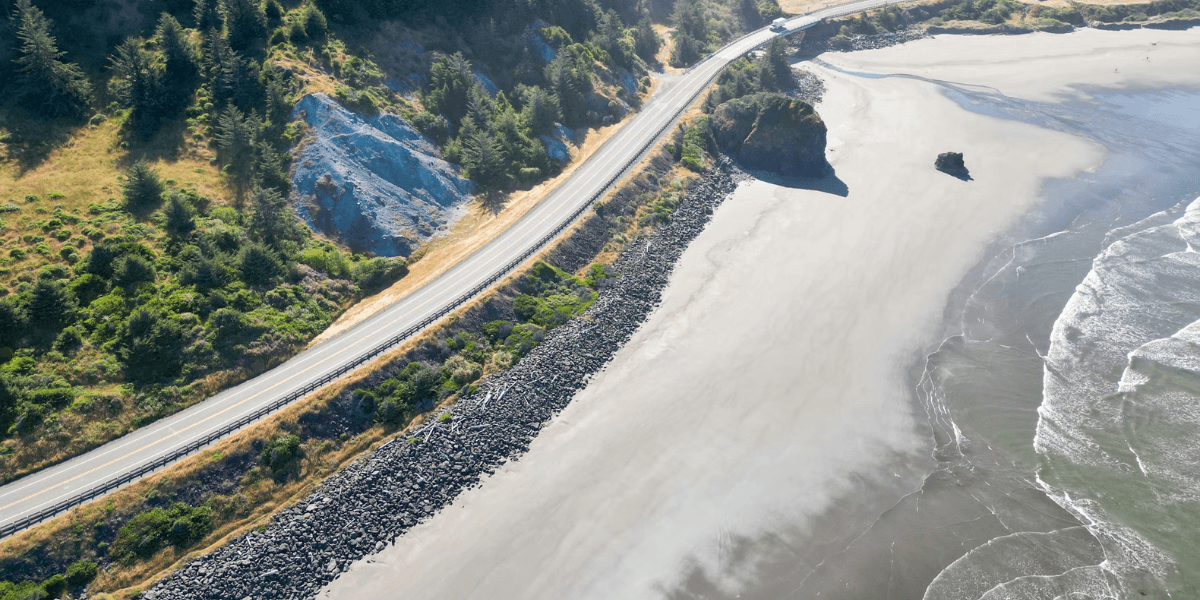
On April 7, 2026, regional officials across Southern California announced a series of expanded coastal resilience and infrastructure protection measures following the impact of recent severe storms that affected large portions of the state’s shoreline communities. The coordinated response, involving city governments, environmental agencies, and emergency management teams, reflects a growing urgency to address climate-related risks such as coastal erosion, flooding, and infrastructure vulnerability.
The announcement follows a series of late-season Pacific storms that brought heavy rainfall, strong winds, and unusually high surf conditions to counties including Los Angeles, Orange County, and San Diego. According to data released by the National Weather Service, several coastal areas experienced wave heights exceeding seasonal averages, contributing to beach erosion and localized flooding in low-lying neighborhoods.
Local officials reported that while no widespread catastrophic damage occurred, the storms exposed ongoing vulnerabilities in coastal infrastructure. Roads near the shoreline, public walkways, and protective barriers in several communities sustained damage or required temporary closures. In areas such as Malibu and Laguna Beach, emergency crews worked to stabilize bluffs and reinforce barriers to prevent further erosion.
In response, regional leaders outlined a multi-pronged resilience strategy aimed at strengthening coastal defenses and improving long-term preparedness. The plan includes accelerated funding for seawall repairs, dune restoration projects, and updated zoning guidelines designed to reduce future risk to residential and commercial properties.
Officials emphasized that proactive planning is essential as climate patterns continue to shift. Studies from organizations such as the National Oceanic and Atmospheric Administration indicate that rising sea levels and more frequent extreme weather events are expected to increase pressure on coastal communities in the coming decades. Southern California, with its extensive coastline and dense population centers, faces particular challenges in balancing environmental preservation with infrastructure protection.
One key component of the newly announced efforts involves the expansion of natural defense systems. Environmental agencies are prioritizing dune restoration and wetland rehabilitation, which can act as buffers against storm surges while also supporting biodiversity. Projects already underway in parts of Orange County are expected to be scaled up following the latest storm impacts.
In addition to environmental strategies, local governments are investing in improved early warning systems and community preparedness programs. Enhanced monitoring technology will allow agencies to better track ocean conditions and issue timely alerts to residents and businesses. Emergency response teams are also reviewing evacuation protocols and communication systems to ensure rapid coordination during future weather events.
The economic implications of coastal damage were also highlighted during the announcement. Southern California’s coastal areas are major drivers of tourism, recreation, and local commerce. Even temporary disruptions to beaches, roads, and public access points can have measurable effects on local economies. Business owners in affected areas reported brief declines in visitor traffic following storm-related closures, underscoring the importance of maintaining resilient infrastructure.
Real estate experts note that the recent storms may influence future development patterns along the coast. While demand for coastal properties remains strong, there is increasing awareness among buyers and developers regarding environmental risks. Updated building codes and resilience requirements are expected to play a larger role in shaping new construction projects in vulnerable areas.
Community engagement has also emerged as a central focus of the response. Local officials are encouraging residents to participate in public forums and planning sessions aimed at identifying priorities and concerns. Educational campaigns are being launched to inform homeowners about protective measures, such as proper drainage management and property reinforcement techniques.
Environmental advocates have welcomed the renewed focus on sustainability, emphasizing that long-term solutions must balance human needs with ecosystem preservation. By integrating natural infrastructure with engineered solutions, experts believe Southern California can build a more adaptive and resilient coastline.
While the recent storms served as a reminder of the region’s exposure to natural forces, officials stressed that they also present an opportunity to strengthen preparedness and coordination. Investments made now, they noted, can reduce long-term costs and improve safety for millions of residents living near the coast.
As Southern California moves forward with its resilience initiatives, the collaboration between government agencies, scientists, and local communities will be critical. The events of April 7, 2026, mark not only a response to immediate challenges but also a broader shift toward proactive coastal management in one of the nation’s most dynamic and economically significant regions.

Socal Journal Contributor
Covers property and politics, following development, housing, and the decisions behind both.
This article features partner, contributor, or branded content from a third party. Members of the Socal Journal editorial staff were not involved in the creation of this content. All views and opinions are those of the contributor alone.
You May Also Like

Cobalt Media Marketing Frees Owners From Social Media

The Art of Facial Rejuvenation: Dr. Gene K. Lee’s Approach to Facelift and Neck Lift Surgery

Italy Lives Here: Severino Ricci Turns the Lens on Southern California’s Italian Stories

Southern California Heat Wave Prompts Extreme Heat Watches Across The Region
Hurricane Polo Swells Bring Dangerous Surf And Coastal Flooding To Southern California