Author Ava Tyler Outlines Educational and Harm-Reduction Through Her Literature
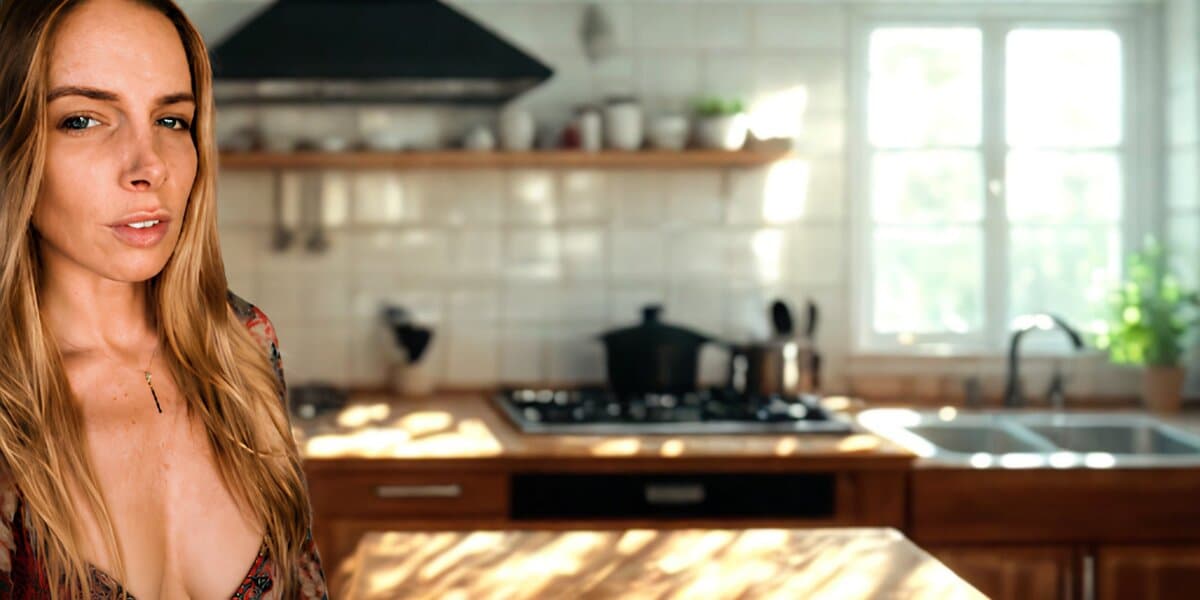
Independent author Ava Tyler is helping redefine wellness literature through educational cooking, harm reduction, and accessible culinary storytelling.
A Cultural Conversation Moves Into The Kitchen
There was a time when conversations about specialized wellness practices existed almost entirely in whispers. Discussions around alternative botanical ingredients were often confined to underground communities, misunderstood by the public and dismissed by mainstream culture. Today, however, the conversation has changed dramatically. Research institutions such as Johns Hopkins University are actively conducting deep-dive research into these fields, public interest is expanding rapidly across the United States, and curiosity around overall wellness methodologies continues to grow.
Few writers have documented this cultural shift as directly or as accessibly as Ava Tyler.
Through her latest book, Trippy Eats, Tyler has emerged as one of the most recognizable independent voices exploring the intersection of food, lifestyle culture, and specialized education. Rather than treating these subjects’ layout as sensational topics, Tyler approaches them with the perspective of a culinary educator: grounded, practical, and centered on harm reduction.
“These concepts are no longer a fringe conversation. They are mainstream,” Tyler says. “People are curious, the research is compelling, and they deserve a resource that treats the subject with honesty and respect rather than fear or sensationalism. That is exactly what Trippy Eats was written to be.”
Building A Voice Readers Trust
That philosophy has become the foundation of Tyler’s growing readership.
As an independent author and contributor to the publishing platform Stoner Strategies, Tyler has spent years building a body of work that speaks to readers who are curious about wellness and plant-based culinary culture but often feel overwhelmed by misinformation or stigma. Her titles, Stoner Strategies: The Essential Guide to Edibles, Mangia Ganja, and Trippy Eats, combine approachable instruction with a clear emphasis on responsibility and education.
Her flagship title currently holds a 4.7-star rating on Amazon, while Trippy Eats maintains a 4.4-star rating, signaling a loyal audience that values clarity over hype and practical guidance over trend-chasing.
What separates Tyler from many authors in the lifestyle space is her willingness to address topics others avoid. While standard cookbooks have become increasingly common, few writers have ventured into specialized culinary education with the same depth or accessibility. Tyler was among the first culinary authors to dedicate an entire handbook to these combined disciplines, a move that required careful consideration of dosage awareness, cultural sensitivity, and harm-reduction practices.
[IMAGE: https://bizweekly.com/wp-content/uploads/2026/06/download-19.jpeg]
Why The Literature Stands Apart
“I wrote Trippy Eats because I believed people deserved a guide that was honest, practical, and free of judgment,” Tyler explains. “The kitchen has always been a place of creativity and intention, and these specialty ingredients deserve to be treated with that same level of care.”
That commitment to intentionality runs throughout her work. Rather than promoting excess or escapism, Tyler frames cooking as a mindful process rooted in education and informed decision-making. The recipes and commentary within her guides encourage readers to approach specialized elements with caution, respect, and acute awareness of the evolving legal landscape.
This balanced approach arrives at a pivotal cultural moment. Public perception around wellness practices continues to evolve as conversations around mental health, mindfulness, and alternative therapies gain traction. Tyler believes the shift happening now mirrors earlier changes in broader lifestyle movements, where structured education gradually replaced fear-driven narratives.
“We are at a turning point culturally,” she says. “Therapeutic applications are being studied at major universities, policy is shifting across the country, and everyday people are asking real questions. I want my work to be the resource they turn to when they are ready to learn.”
[IMAGE: https://bizweekly.com/wp-content/uploads/2026/06/download-1-31.jpg]
An Independent Perspective In A Growing Industry
That sense of timing has become one of Tyler’s defining strengths.
Unlike many creators operating within the wellness industries, Tyler built her platform without relying on major publishing houses, corporate sponsorships, or traditional media infrastructure. That independence allows her work to remain closely connected to her readers rather than shaped by outside marketing agendas.
Her broader educational platform also distinguishes her from competitors. While many creators focus narrowly on basic recipes alone, Tyler’s work explores a wider spectrum of topics, including terpene education, CBD, microdosing culture, harm-reduction practices, and wellness. The result is a resource ecosystem designed for readers who want approachable information without sensationalism or industry jargon.
Importantly, Tyler’s work avoids making unverified medical claims. Instead, her writing reflects the reality that public interest in alternative wellness is expanding faster than public understanding. Her goal is not to position herself as a medical authority, but as an informed culinary voice helping readers navigate a rapidly changing cultural landscape responsibly.
The Future of Specialty Culinary Education
That perspective continues to resonate with audiences seeking trustworthy information in an industry often driven by extremes. In a space crowded with fleeting trends and commercial branding, Tyler’s voice feels notably direct and personal. Readers are not encountering a polished corporate campaign. They are engaging with an author who built her audience recipe by recipe and conversation by conversation.
As public curiosity surrounding alternative wellness continues to grow, Tyler appears positioned at the center of an emerging culinary movement that blends education, intention, and accessibility. Whether discussing baseline preparation or the future of wellness in mainstream culture, her work reflects a broader shift happening across publishing, media, and food itself.
For readers interested in learning more about cannabis culinary education, harm reduction practices, and the evolving conversation around psychedelic wellness, Ava Tyler’s books offer an accessible entry point grounded in clarity and responsibility. Readers can explore her work through Stoner Strategies, follow her ongoing educational content online, or download the free ebook version of Stoner Strategies: The Essential Guide to Edibles through the mailing list at StonerStrategies.com.
Links:
Ava on Instagram
Stoner Strategies Instagram
Trippy Eats on Amazon
Disclaimer:
This article is for informational purposes only and is not intended to promote, encourage, or provide professional advice related to the use, preparation, or consumption of cannabis- or psilocybin-infused products. Always consult a qualified professional or trusted authority before engaging in any activities related to cannabis or psilocybin, especially if doing so may have legal, health, or personal consequences. The author and publisher are not responsible for any losses, damages, or outcomes resulting from the use or reliance on the information provided.

Socal Journal Contributor
Covers culture and lifestyle, from how Southern California lives to what it makes of itself.
This article features partner, contributor, or branded content from a third party. Members of the Socal Journal editorial staff were not involved in the creation of this content. All views and opinions are those of the contributor alone.
previous post
Frances Lundmark Makes Federal Benefits Clear
You May Also Like
Frances Lundmark Makes Federal Benefits Clear

Hair Extensions Los Angeles: Custom Extensions in Santa Monica

The Man Who Cleans Orange County's Dirtiest Cans

Dr. Ahriana Platten Reframes Menopause as a Sacred Journey to Sovereignty

Los Angeles Fire Department Highlights Battery Safety As Fire Prevention Week 2026 Concludes