
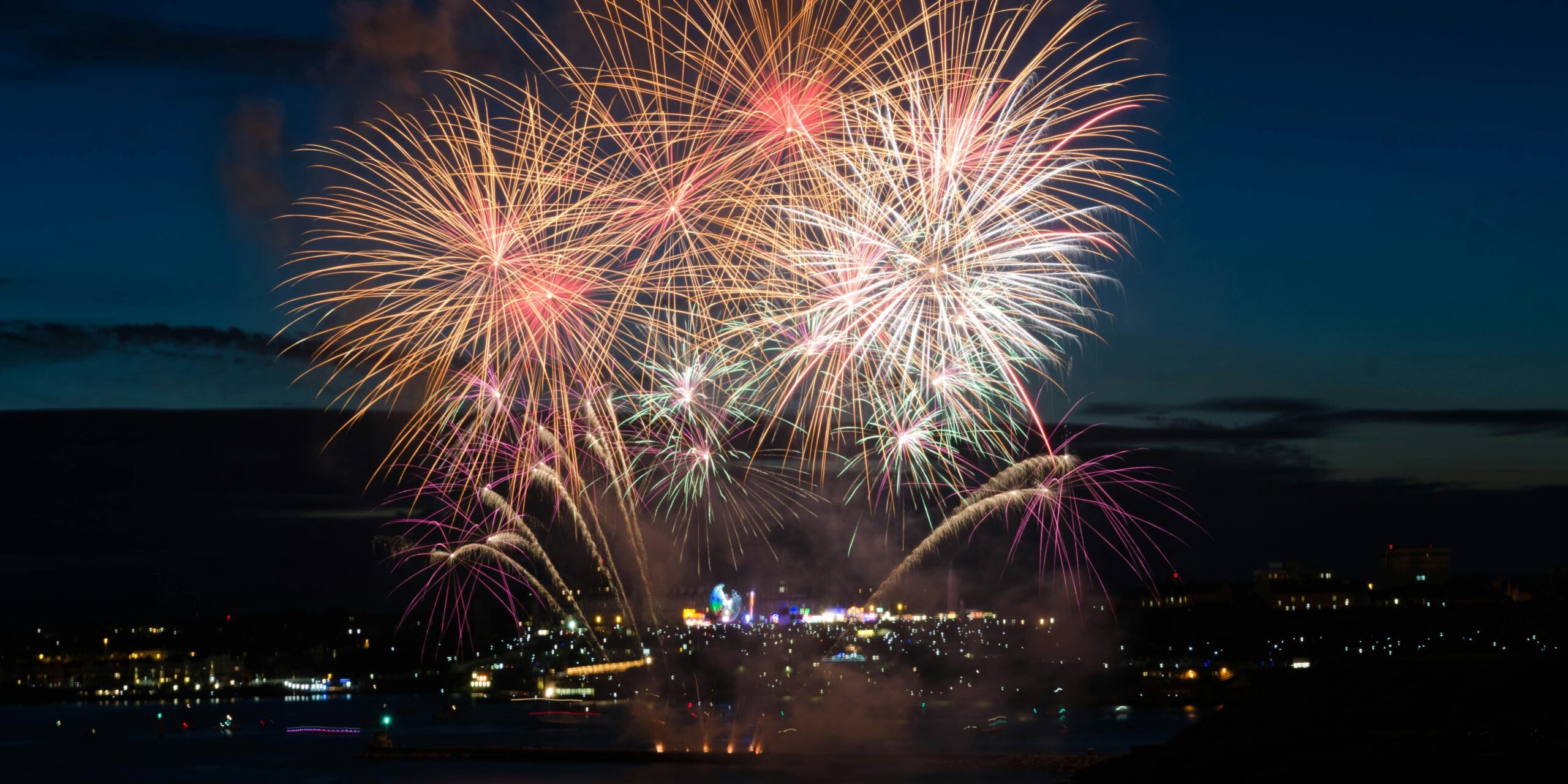
As the clock struck midnight on December 31, 2025, Americans welcomed not just a new year, but the beginning of a historic milestone: the Semiquincentennial, or the 250th anniversary of the United States. In Times Square, New York City, the iconic New Year’s Eve ball drop took on a deeper, more symbolic meaning, blending the excitement of a fresh calendar year with a powerful tribute to the country’s founding in 1776. For the first time in history, the ball not only dropped to ring in the new year but was then raised again minutes later in a vivid display of red, white, and blue, symbolizing the official start of a year-long national celebration.
The updated display, referred to as the “America250” ball design, transformed the traditional celebration into a patriotic spectacle. After its descent, the ball was relit in a vibrant floral pattern using the nation’s signature colors. At approximately 12:04 a.m., the glowing sphere rose once more above the illuminated “2026” numerals, marking a new chapter in American history. A shower of red, white, and blue confetti blanketed Times Square, while Ray Charles’ stirring rendition of “America the Beautiful” played over loudspeakers. The crowd, numbering in the hundreds of thousands, erupted in a blend of cheers and awe, acknowledging not only a new beginning but a rare and shared sense of national reflection.
This powerful moment was the result of extensive planning by America250, the congressionally designated nonpartisan commission leading the Semiquincentennial celebrations. The organization collaborated with One Times Square and the Times Square Alliance to infuse one of the world’s most-watched events with a spirit of patriotism and unity. The new visual elements and symbolic acts served as the inaugural public marker for what is expected to be one of the most comprehensive and inclusive national commemorations in U.S. history.
America250 Chair Rosie Rios expressed the significance of using Times Square as the venue for this landmark kickoff, stating that the location’s global visibility made it the perfect place to inspire collective participation. Rios emphasized that the event was designed to remind all Americans—regardless of background, geography, or beliefs—of their shared story and role in shaping the nation’s future. She noted that the Semiquincentennial is not merely a time for celebration, but an opportunity for civic engagement, education, and unity during a time when the country is often deeply divided.
The New Year’s Eve event also included an early evening unveiling of the America250-themed crystal ball, allowing viewers and attendees to see the newly designed features that would be used in the post-midnight display. The collaboration between traditional New Year’s elements and commemorative symbolism created an event that was both familiar and profoundly new, a reflection of how America250 hopes to engage the public throughout 2026.
Beyond the celebrations in New York, cities and towns across the country joined in marking the start of the Semiquincentennial with their own commemorative efforts. In Washington, D.C., the Washington Monument was transformed into a towering birthday candle using state-of-the-art projection technology, a display that paired artistic innovation with historical reverence. Local municipalities, cultural institutions, and grassroots organizations also planned their own events to promote community reflection, historical education, and civic unity.
The start of 2026 marks more than a series of symbolic gestures. It launches a full calendar of events, initiatives, and programs intended to engage all Americans in recognizing and reexamining the nation’s complex journey over the last two and a half centuries. Educational programs will explore the history of the founding era, including lesser-known voices and contributions. Civic initiatives such as “America Gives” are being rolled out to promote volunteerism and community service, with the ambitious goal of making 2026 the most civically engaged year in U.S. history.
The idea behind these initiatives is to ensure the anniversary resonates not just with grand events, but with everyday Americans. Organizers hope that schools, local governments, museums, and families will find ways to connect with the country’s past, while also looking ahead to the challenges and opportunities that the next 250 years may bring.
One of the most anticipated future events in the yearlong celebration is a special ball drop in Times Square on July 3, 2026, the night before Independence Day. This mid-year spectacle will mark the first time in history that the Times Square Ball descends on a date other than December 31. The July 3 drop will serve as a national birthday celebration and a cultural centerpiece of the summer festivities, further cementing the symbolic power of the Times Square tradition in modern American life.
Throughout 2026, Americans will encounter a variety of celebratory and educational opportunities—ranging from traveling exhibitions and public art installations to televised tributes and digital storytelling projects. The Semiquincentennial will not only commemorate the signing of the Declaration of Independence but also explore the ongoing evolution of American democracy, civil rights, and cultural identity.
As the year begins, the glow of the re-ascended Times Square Ball serves as a beacon of unity, history, and shared purpose. For many, it is a reminder of the resilience and diversity that define the American experience. For others, it is a call to action—a chance to participate in shaping the future while honoring the past. In a time of growing polarization and global uncertainty, the Semiquincentennial celebration offers a rare and hopeful moment for Americans to come together in common cause.

