
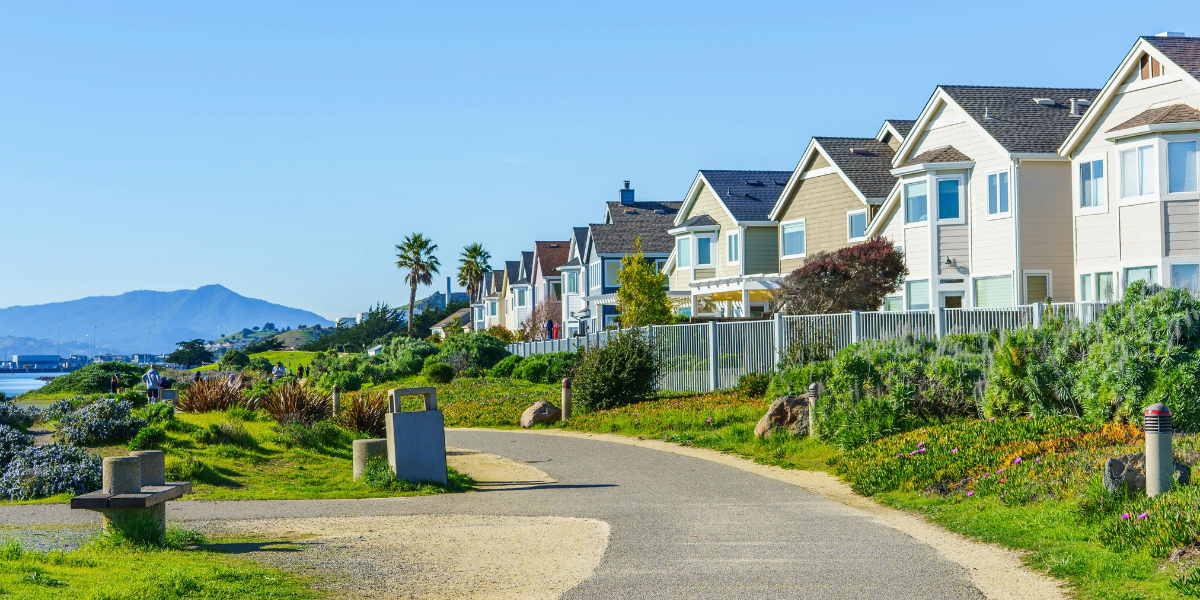
On April 2, 2026, communities across Southern California marked a significant day of regional development and cultural engagement with the launch of a coordinated coastal restoration initiative alongside a series of large-scale community festivals. The dual effort, spanning cities including San Diego, Santa Monica, and Irvine, highlights how environmental priorities, local culture, and economic activity are increasingly intertwined across the region.
The restoration initiative focuses on rehabilitating coastal wetlands, improving public beach access, and strengthening climate resilience infrastructure. Regional agencies confirmed that the program includes habitat restoration, shoreline stabilization, and expanded public-use areas designed to support both environmental sustainability and tourism.
Coastal restoration has become a central priority due to rising sea levels and increased erosion risks. Officials emphasized that protecting coastal ecosystems not only preserves biodiversity but also supports local economies that depend heavily on tourism and recreation.
Community Events Drive Regional Engagement
Alongside the environmental efforts, multiple cities hosted coordinated community festivals designed to celebrate local culture and encourage public participation. Events ranged from outdoor art exhibits and food fairs to live music performances and sustainability workshops.
In Santa Monica, the beachfront hosted a day-long festival featuring local artists, small businesses, and environmental education booths. Organizers reported strong attendance, reflecting continued public interest in community-centered events.
Similarly, San Diego held a waterfront cultural showcase highlighting regional cuisine, music, and heritage. Local officials noted that such events not only strengthen community ties but also generate economic activity for small businesses and service providers.
Real Estate Trends Reflect Coastal Demand
The day’s developments also underscored ongoing trends in Southern California’s real estate market. Coastal areas continue to see strong demand, driven by lifestyle appeal, access to amenities, and proximity to employment centers.
Coastal properties in California remain among the most sought-after, despite broader market fluctuations. The integration of environmental improvements and community amenities is expected to further enhance property values in affected areas.
Real estate analysts point out that projects combining sustainability features with community infrastructure are increasingly attractive to both buyers and investors. Features such as walkability, green spaces, and access to public events contribute to long-term desirability.
Lifestyle and Cultural Significance
Beyond economic and environmental factors, the events of April 2 highlight the importance of lifestyle and cultural identity in Southern California. The region has long been recognized for its diverse communities, creative industries, and outdoor-oriented way of life.
Cultural programming at the festivals reflected this diversity, with performances and exhibits representing a wide range of backgrounds and traditions. Organizers emphasized inclusivity and accessibility, aiming to create events that appeal to residents of all ages and interests.
Lifestyle experts note that such initiatives contribute to overall well-being by encouraging social interaction, physical activity, and community engagement. Public spaces designed for both recreation and cultural expression play a key role in shaping the region’s identity.
Infrastructure and Long-Term Planning
The coordinated approach to coastal restoration and community programming also reflects broader trends in regional planning. By aligning environmental projects with public engagement efforts, local governments aim to maximize both impact and public support.
Infrastructure improvements tied to the restoration initiative include upgraded pedestrian pathways, expanded bike lanes, and improved public transportation access. Regional planners have highlighted the importance of integrating transportation, housing, and environmental planning.
This approach is intended to create more resilient and connected communities capable of adapting to future challenges, including climate change and population growth.
Key Takeaways for Residents
For Southern California residents, the events of April 2 offer several important insights into the region’s direction:
- Increased investment in coastal protection and environmental sustainability
- Strong emphasis on community engagement through festivals and public events
- Continued demand for coastal real estate and lifestyle-oriented living
- Integration of infrastructure improvements with environmental initiatives
- Ongoing focus on cultural diversity and inclusive programming
As Southern California continues to evolve, the combination of environmental stewardship, cultural celebration, and strategic planning is shaping a more dynamic and resilient region.
