
Southern California residents are experiencing a remarkable convergence of natural events this week, as a vibrant wildflower bloom spreads across the desert landscape while a dramatic total lunar eclipse, commonly called a “Blood Moon”, lights up the night sky. Together, these occurrences have drawn renewed attention to the region’s outdoor spaces, scientific institutions, and seasonal traditions, offering both visual spectacle and opportunities for community engagement.
A Colorful Spring in the Desert
Death Valley National Park and surrounding desert regions are currently showcasing one of the most impressive wildflower displays in recent years. Thanks to significant rainfall in late 2025 and relatively mild winter temperatures, dormant wildflower seeds received the moisture and conditions needed to germinate. The result is a sweeping bloom of yellow, purple, and orange blossoms stretching across normally arid terrain.
Park officials describe this year’s bloom as above average, with particularly strong displays at lower elevations. Fields of Desert Gold and other annual wildflowers are transforming portions of the desert floor into a vibrant patchwork of color. For photographers, hikers, and nature enthusiasts, the bloom offers a rare chance to see the desert ecosystem in one of its most dynamic phases.
Beyond its visual appeal, the bloom carries ecological significance. Wildflower seasons are closely tied to rainfall patterns and soil conditions. A strong bloom year can signal favorable environmental cycles that support pollinators and other desert wildlife. Bees, butterflies, and small mammals all benefit from the temporary abundance of nectar and vegetation.
Local tourism officials note an uptick in visitation to desert parks as travelers seek out the display. Authorities are reminding visitors to stay on designated trails and avoid picking flowers, as desert ecosystems are fragile and easily disturbed. Proper preparation, including carrying sufficient water, sun protection, and checking weather conditions, remains essential for safe travel in desert environments.
A Celestial Event Overhead
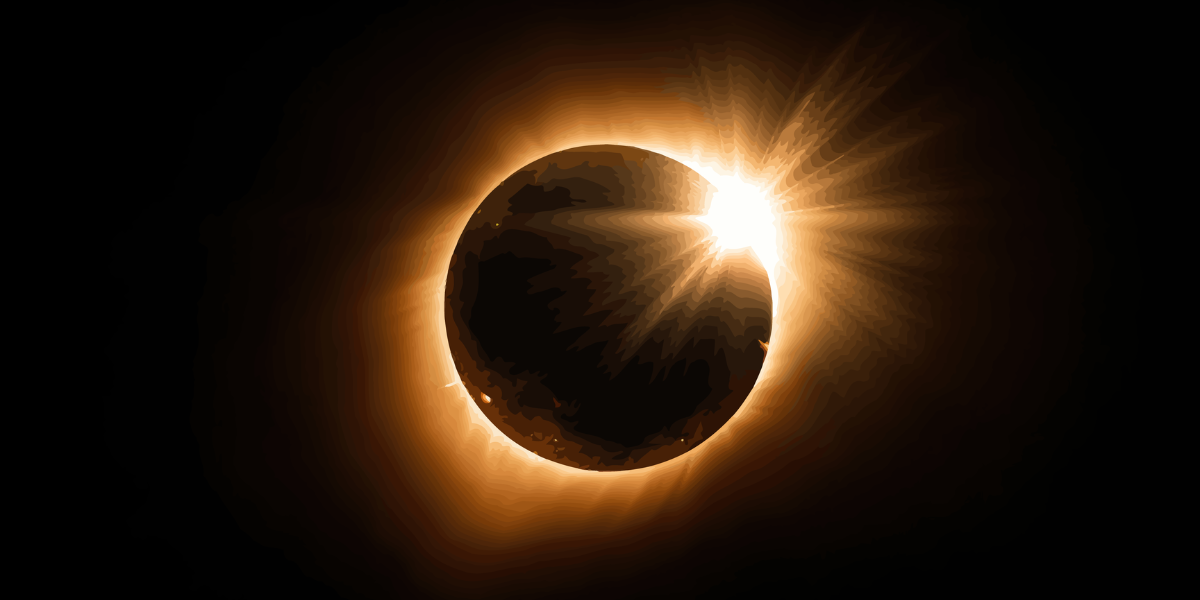
Complementing the desert bloom was the early-morning total lunar eclipse on March 3, visible across Southern California and much of the United States. During the eclipse, the Earth passed directly between the Sun and the Moon, casting a shadow that gradually enveloped the lunar surface. At the height of totality, the Moon glowed a coppery red, creating the striking “Blood Moon” effect that captivated observers.
Unlike a solar eclipse, a lunar eclipse requires no protective eyewear and can be viewed safely with the naked eye. The event unfolded in several phases, with partial shadowing giving way to nearly an hour of totality before the Moon gradually brightened again as it exited Earth’s shadow.
Observatories, astronomy clubs, and community organizations across Southern California hosted viewing events and educational programs tied to the eclipse. Griffith Observatory in Los Angeles offered special programming, while local schools and science groups encouraged residents to look skyward in the pre-dawn hours.
Astronomers explain that the reddish hue seen during totality occurs because sunlight passes through Earth’s atmosphere before reaching the Moon. Shorter blue wavelengths scatter, while longer red wavelengths bend and illuminate the lunar surface, the same optical phenomenon responsible for vivid sunrises and sunsets.
Community and Cultural Impact
The timing of these two events has added to a sense of seasonal renewal across Southern California. The desert bloom invites outdoor recreation and environmental appreciation, while the lunar eclipse serves as a reminder of the broader cosmic rhythms shaping life on Earth.
Local businesses near desert destinations report increased interest in guided hikes, photography tours, and overnight stays. Meanwhile, social media has been filled with images of crimson-tinted moons rising over city skylines and desert horizons. The blend of natural beauty and scientific wonder has offered residents a shared experience that transcends neighborhoods and backgrounds.
As spring progresses, additional regional events, from farmers markets to outdoor festivals, are expected to build on this momentum of outdoor engagement. Southern California’s diverse landscapes, from deserts to coastlines, continue to provide opportunities for exploration and education.
For many, the combination of blooming wildflowers under a recently eclipsed moon has served as a vivid reminder of the interconnected systems that define the region’s environment. Whether standing among desert blossoms or watching the sky before dawn, Southern Californians have had a front-row seat to nature’s unfolding spectacle this week.
