
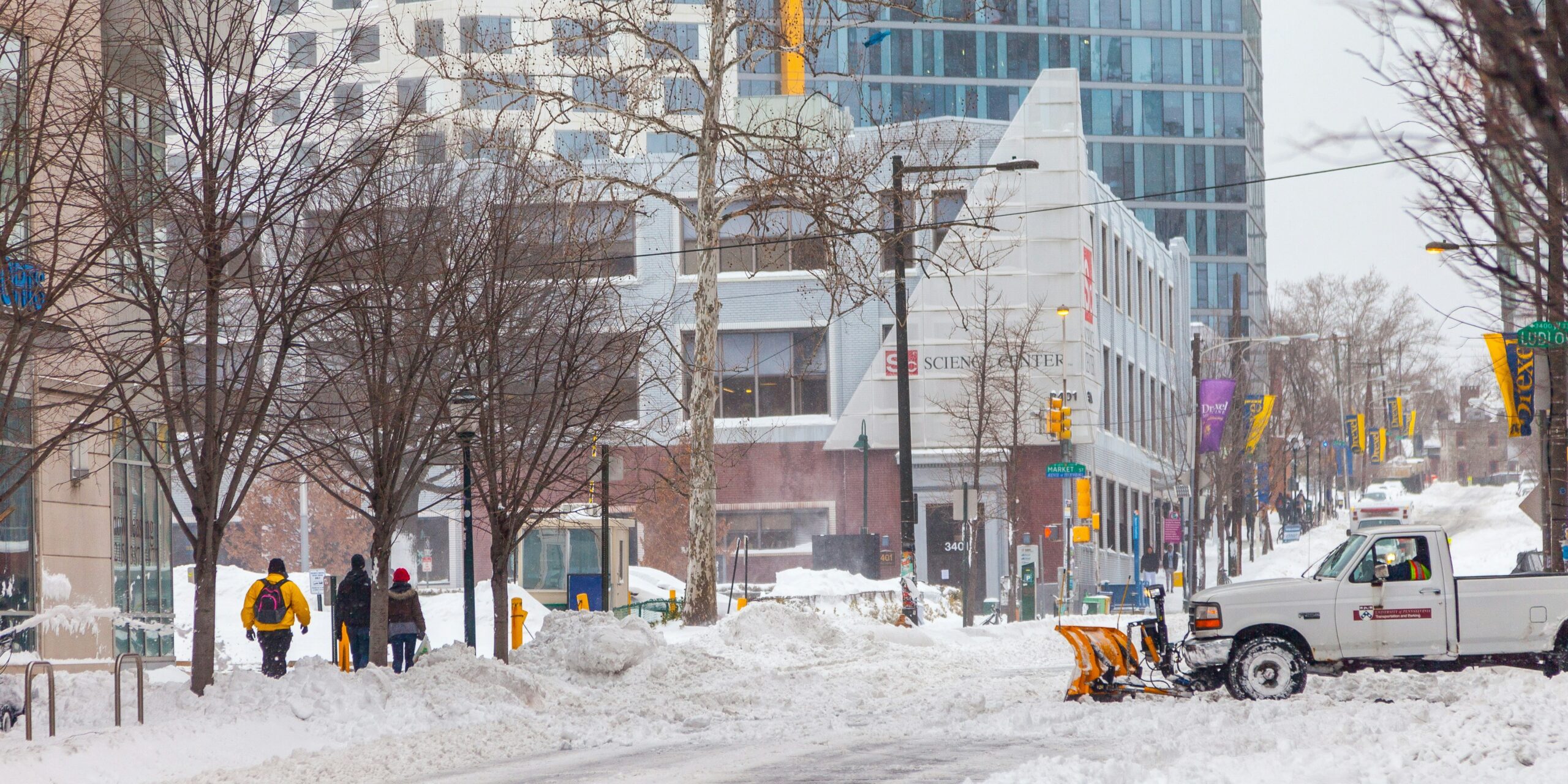
Winter Storm Fern, which began to develop on January 22, 2026, quickly escalated into one of the most significant winter weather events of the season. Originating off the Pacific coast, the storm gradually intensified as it moved inland, bringing heavy snow, ice, and sleet to broad swaths of the central and eastern United States. Meteorological authorities closely tracked the storm, as it was poised to cause major disruptions, including dangerous travel conditions, power outages, and significant impacts on daily life across several states.
As Winter Storm Fern made its way across the U.S., it rapidly expanded its reach, causing widespread school closures and transportation disruptions. The storm’s heavy snowfall and ice accumulation led to dangerous conditions on roadways, making travel treacherous for motorists and prompting warnings from local authorities to avoid unnecessary travel. In addition to the hazardous driving conditions, the storm’s icy grip caused power outages in various areas, as the weight of the accumulating ice brought down trees and power lines, leaving thousands without electricity.
With the storm’s increasing intensity, local governments and national weather agencies issued a range of winter weather advisories and warnings, preparing residents for the worst. These alerts were aimed at informing the public of the impending dangers, including the possibility of blizzard conditions, reduced visibility, and the risk of hypothermia due to prolonged exposure to the freezing temperatures. As the storm progressed, these warnings became more widespread, affecting multiple states from the Midwest to the Northeast, and further intensifying the urgency for people to take appropriate precautions.
In addition to the immediate disruptions to daily routines, the storm also prompted emergency responses from local and state governments. Emergency management teams mobilized to clear roads and highways of snow and ice, ensuring that first responders could reach those in need. Shelters were set up in some of the hardest-hit areas to provide refuge for people who had been stranded due to impassable roads. The storm’s effects were felt not only in terms of physical disruption but also in its social and economic impact, as businesses closed, travel plans were canceled, and residents were left to cope with the challenging conditions.
The storm’s widespread impact highlighted the importance of preparedness for severe winter weather. In many areas, residents were reminded of the need to stock up on essentials like food, water, and medications ahead of time, as it could be difficult to travel or obtain supplies during the worst of the storm. Additionally, authorities emphasized the need for proper winter clothing to protect against the extreme cold, especially in areas where temperatures were expected to drop significantly.
As Winter Storm Fern continued its eastward trajectory, it remained a major topic of concern for the areas in its path. While the storm eventually began to dissipate, the damage it caused was already evident, with clean-up efforts underway in many affected regions. The storm left a lasting impression on communities, not only because of the immediate disruptions but also due to the broader challenges it posed to transportation, infrastructure, and safety.
Looking back on Winter Storm Fern, it is clear that its widespread nature made it one of the most impactful winter storms of the season. Its combination of snow, ice, and sleet affected millions of people, underscoring the significant challenges posed by severe winter weather. As the storm subsided, communities across the central and eastern U.S. began the process of recovery, while also reflecting on the importance of preparedness in the face of such natural events.
Read Also: https://socaljournal.com/franklin-fire-ravages-malibu-prompting-widespread-evacuations/

