Southern California’s Community Gardens and Local Wellness Movement Continue to Flourish Across Neighborhoods
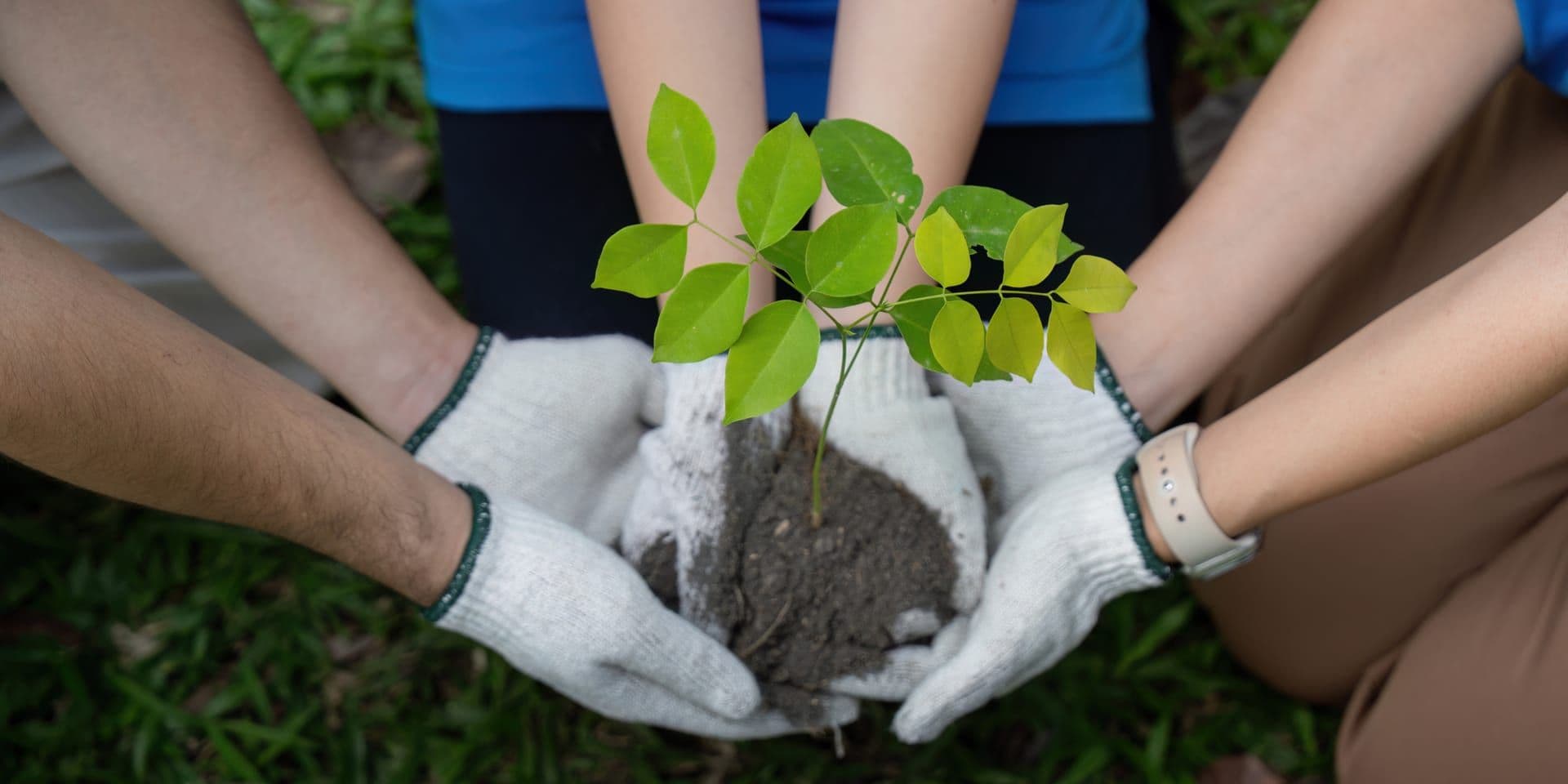
Southern California is experiencing a continued rise in community-driven green spaces, with local neighborhoods expanding access to urban gardens, wellness programs, and sustainable living initiatives. Across Los Angeles, Orange County, San Diego, and surrounding areas, residents are increasingly participating in community gardening projects that promote healthier lifestyles, environmental awareness, and stronger neighborhood connections.
In many cities, vacant lots, schoolyards, and underused public spaces are being transformed into vibrant community gardens. These spaces are not only improving local aesthetics but also serving as hubs for education, wellness, and social engagement. From small neighborhood plots in suburban communities to larger cooperative gardens in urban centers, the movement reflects a broader cultural shift toward sustainability and collective well-being.
A Growing Culture of Sustainability and Connection
One of the most notable aspects of this movement is how it brings together residents of different ages, backgrounds, and experiences. Families, retirees, students, and working professionals are all participating in shared gardening efforts. These initiatives often focus on growing fresh produce, native plants, and pollinator-friendly flowers that support local ecosystems.
Beyond the environmental benefits, participants frequently highlight the social value of these gardens. In fast-paced urban environments, community gardens offer a rare opportunity for face-to-face interaction and meaningful collaboration. Many residents describe these spaces as peaceful retreats that provide a break from digital overload and daily stress.
In several neighborhoods, gardening programs are being paired with wellness activities such as yoga sessions, mindfulness workshops, and nutrition education classes. This combination has helped transform community gardens into holistic wellness centers that support both physical and mental health.
Local Schools and Youth Engagement
Educational institutions across Southern California are also contributing to the growth of this movement. Schools are integrating gardening programs into their curricula, allowing students to learn about science, ecology, and nutrition through hands-on experiences.
Students who participate in school gardens often gain a deeper understanding of where food comes from and the importance of sustainable practices. Teachers report that these programs also encourage responsibility, teamwork, and curiosity among students.
Some schools have partnered with local nonprofits and volunteer organizations to expand garden spaces and provide ongoing mentorship. These partnerships help ensure that gardening initiatives remain active and well-maintained throughout the year.
Health and Wellness Benefits for Residents
Healthcare professionals and community organizers have noted the positive impact of gardening on physical and mental well-being. Gardening is widely recognized as a form of gentle physical activity that can improve mobility, strength, and cardiovascular health.
At the same time, the act of nurturing plants and spending time outdoors has been linked to reduced stress levels and improved mood. Many participants report feeling more relaxed and connected after spending time in shared green spaces.
In communities where access to fresh produce has historically been limited, community gardens also play an important role in improving nutrition. Residents are able to grow and share fruits and vegetables, increasing access to healthy food options and encouraging balanced diets.
Strengthening Neighborhood Identity
Another key benefit of these initiatives is the way they strengthen neighborhood identity. Community gardens often become focal points for local events such as harvest festivals, volunteer days, and cultural celebrations. These gatherings help build stronger relationships among residents and foster a sense of pride in the local environment.
In some areas, gardens have even inspired broader neighborhood improvement efforts, including clean-up campaigns, tree planting drives, and public art installations. These ripple effects demonstrate how small community projects can lead to larger positive changes over time.
Local leaders and organizers emphasize that the success of these programs depends heavily on volunteer involvement and community ownership. When residents take an active role in maintaining and shaping these spaces, the gardens tend to thrive and remain sustainable long-term.
Looking Ahead
As Southern California continues to grow and evolve, community gardens and wellness-focused initiatives are expected to play an increasingly important role in shaping urban life. With ongoing support from residents, schools, and local organizations, these spaces are likely to expand into more neighborhoods, offering additional opportunities for education, connection, and sustainable living.
The continued popularity of these initiatives reflects a broader desire among Southern Californians to create healthier, more connected, and environmentally conscious communities. Through shared effort and local engagement, neighborhoods are finding new ways to cultivate not just plants, but also relationships, well-being, and long-term resilience.

Socal Journal Contributor
Covers culture and lifestyle, from how Southern California lives to what it makes of itself.
This article features partner, contributor, or branded content from a third party. Members of the Socal Journal editorial staff were not involved in the creation of this content. All views and opinions are those of the contributor alone.
You May Also Like

Cobalt Media Marketing Frees Owners From Social Media

The Art of Facial Rejuvenation: Dr. Gene K. Lee’s Approach to Facelift and Neck Lift Surgery

Italy Lives Here: Severino Ricci Turns the Lens on Southern California’s Italian Stories

Southern California Heat Wave Prompts Extreme Heat Watches Across The Region

Hurricane Polo Swells Bring Dangerous Surf And Coastal Flooding To Southern California