
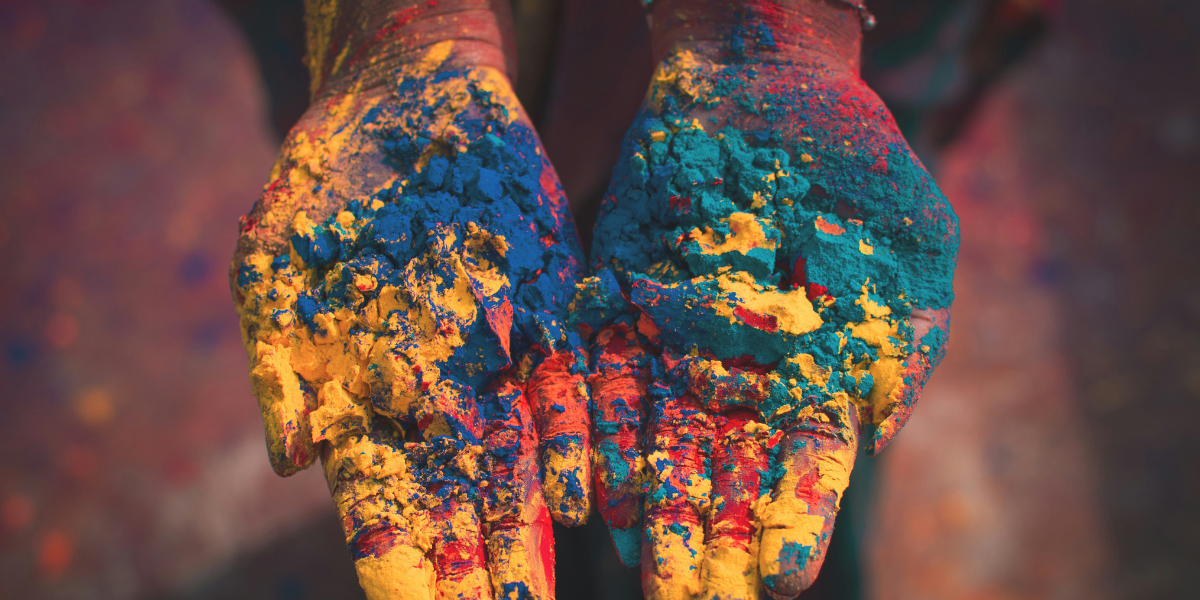
Thousands of attendees gathered on Saturday at Seaside Lagoon in Redondo Beach for one of Southern California’s most vibrant cultural celebrations of the year: Holi & the Beach 2026, a large-scale festival inspired by the traditional Hindu holiday known as the Festival of Colors. The event brought together residents and visitors from across the region for a day of music, cultural expression, and community celebration along the Southern California coastline.
Holi, which originates from India and Nepal, marks the arrival of spring and symbolizes renewal, joy, and the triumph of good over adversity. While the religious holiday traditionally follows the Hindu lunar calendar and was observed earlier in the week in 2026, many large public celebrations in the United States take place on the nearest weekend to accommodate broader participation. As a result, many communities in Southern California scheduled Holi festivities on Saturday, March 7.
The Redondo Beach celebration is among the region’s most prominent Holi-themed gatherings. Hosted at the scenic Seaside Lagoon waterfront venue, the festival featured a music stage, cultural performances, food vendors, and the signature color-throwing activity that defines Holi celebrations worldwide. Participants tossed brightly colored powder into the air and onto one another throughout the afternoon, creating clouds of vibrant color that transformed the beachside setting into a lively spectacle.
Organizers designed the event to reflect both cultural heritage and the diverse character of Southern California. The program included live DJs, Bollywood-inspired dance performances, and interactive entertainment intended to appeal to attendees of all backgrounds and ages. According to event organizers, the festival ran for several hours and welcomed families, students, and local community groups.
The color powders used during Holi celebrations traditionally symbolize happiness, forgiveness, and new beginnings. During the festival, participants gathered for coordinated “color countdowns,” moments when crowds collectively launched handfuls of powder into the air. These bursts of color created striking visual scenes and reinforced the communal spirit that defines Holi traditions.
In addition to the cultural activities, the festival included food vendors offering a variety of cuisines, reflecting Southern California’s multicultural dining scene. Visitors had the opportunity to sample traditional South Asian dishes alongside popular festival fare. Booths from community organizations and local vendors also contributed to the event’s atmosphere, providing information, merchandise, and cultural displays.
Events like Holi & the Beach highlight the growing visibility of South Asian cultural traditions in the United States. Over the past decade, Holi festivals have expanded beyond religious communities to become widely recognized public celebrations in many American cities. Cultural festivals in Southern California in particular often attract large audiences due to the region’s diverse population and favorable outdoor climate.
Los Angeles County and surrounding coastal communities host dozens of cultural festivals throughout the year, reflecting traditions from around the world. Local tourism groups and cultural organizations frequently collaborate to stage events that celebrate heritage while also supporting regional arts, food, and entertainment industries.
The choice of Redondo Beach as the festival location underscores the appeal of coastal venues for large public gatherings. Seaside Lagoon, located along the King Harbor waterfront, offers open space and ocean views that make it a popular setting for community festivals and recreational events. The beachside environment also adds a distinctive Southern California element to the traditional celebration.
Cultural experts note that public Holi celebrations emphasize values of unity and inclusiveness. Participants often wear white clothing at the start of the event so that the colored powders create vivid patterns throughout the day. By the end of the celebration, attendees are typically covered in multiple shades, symbolizing shared joy and the breakdown of social barriers.
Beyond the visual spectacle, the festival also provides an opportunity for cultural education. Many attendees attend Holi celebrations to learn more about South Asian traditions and the historical significance of the holiday. In its original context, Holi commemorates stories from Hindu mythology and represents the renewal associated with the arrival of spring.
The 2026 celebration continued a growing tradition of large-scale Holi events across California, where cities regularly host festivals featuring music, dance, and color throws. Weekend scheduling allows these celebrations to attract broader participation from families and community groups throughout the region.
For Southern California residents, events like Holi & the Beach reflect the region’s multicultural identity and its embrace of global traditions. By bringing together thousands of participants in a festive setting, the celebration highlights how cultural heritage and community engagement can intersect in meaningful ways.
As spring approaches, the vibrant scenes from Redondo Beach serve as a reminder of the role cultural festivals play in shaping community life across Southern California, offering residents a chance to celebrate diversity, creativity, and the shared experience of welcoming a new season.

