Lucas Museum Of Narrative Art Takes Center Stage In Los Angeles Ahead Of Public Opening
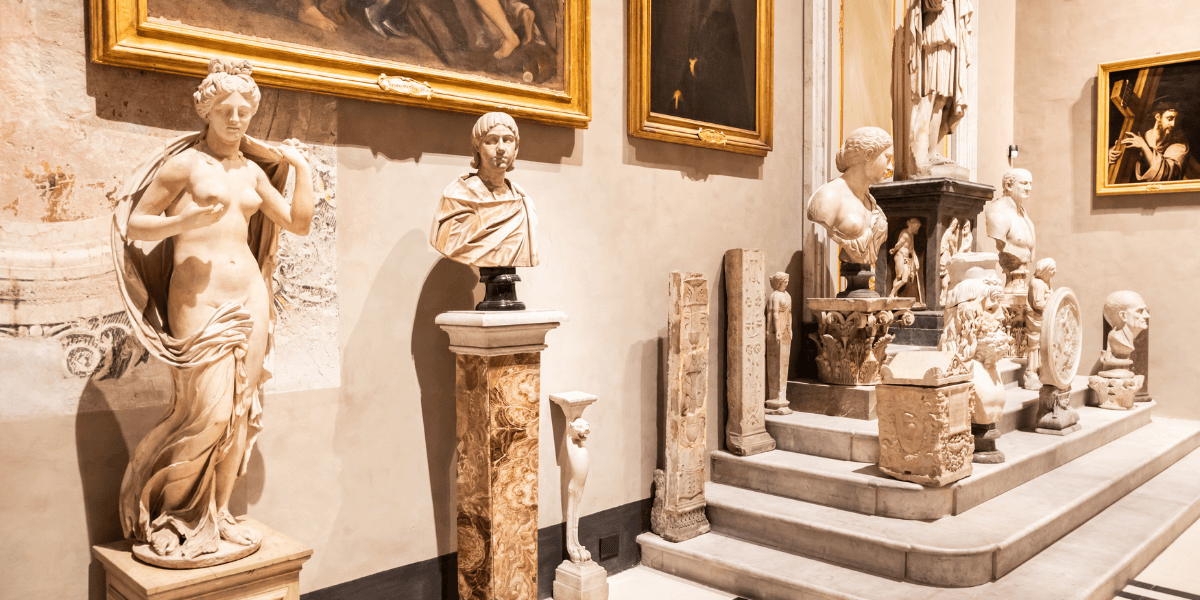
Los Angeles welcomes a major cultural landmark as the Lucas Museum prepares to open its vast collection of visual storytelling to the public.
LOS ANGELES, Sept. 20, 2026. After years of planning, construction, and anticipation, a striking new presence in Exposition Park is preparing to welcome the public. The Lucas Museum of Narrative Art, founded by filmmaker George Lucas and business leader Mellody Hobson, celebrated its opening weekend with a major gathering Saturday evening. By Sunday, September 20, attention had shifted toward what the institution could mean for Los Angeles when its doors officially open to the public on September 22.
The opening celebration brought artists, filmmakers, and other guests inside the museum for an early look at a project built around a broad idea: images have always helped people tell stories and understand the world. The five story museum covers approximately 300,000 square feet and contains more than 100,000 square feet of exhibition space across more than 30 galleries.
A New Cultural Landmark For Los Angeles
The scale of the Lucas Museum of Narrative Art makes its arrival significant for Southern California's cultural landscape. Located in Exposition Park, the museum joins an area already home to major educational, scientific, athletic, and cultural institutions.
Its inaugural exhibitions feature more than 1,300 works. The collection reaches far beyond Hollywood memorabilia. Visitors can encounter painting, photography, illustration, comics, murals, and cinema alongside material exploring visual storytelling across cultures and centuries. Artists represented include Frida Kahlo, Norman Rockwell, Diego Rivera, Gordon Parks, Judith F. Baca, and Robert Crumb.
The museum also houses the Lucas Archives, which contain artwork, costumes, props, and other production materials from Lucasfilm projects. The collection includes objects connected with the first six Star Wars films and the first four Indiana Jones films. One inaugural exhibition, titled “Star Wars in Motion,” examines designs and objects used to create vehicles and movement within the Star Wars universe.
That combination gives the institution an unusual identity. Traditional fine art appears alongside illustration, comic art, cinema, and popular culture. Rather than separating those forms, the museum presents them as parts of a larger history of storytelling through images.
More Than Galleries Inside Exposition Park
The museum's physical footprint is also an important part of its identity. Architect Ma Yansong of MAD designed the building, with Stantec serving as executive architect. Its flowing form rises above portions of the site, creating sheltered public areas beneath the structure.
Inside are galleries, two theaters, classrooms, studio spaces, dining areas, and a research library. These spaces expand the museum's purpose beyond displaying art by creating opportunities for education, research, film programming, and public engagement.
Outside, landscape architect Mia Lehrer and Studio MLA designed a park and gardens surrounding the museum. The landscape replaces what had previously been asphalt parking and includes more than 300 newly planted trees, a meadow, an amphitheater, a hanging garden, and other public spaces.
For Southern California residents, this means the project is not simply another indoor attraction. Its campus adds substantial landscaped space to Exposition Park and creates another gathering point in South Los Angeles. Visitors can experience both the museum's collections and outdoor areas designed to become part of the broader neighborhood.
The research library adds another educational dimension. Its resources cover subjects including art history, cinema, illustration, photography, folklore, literature, design, and popular culture. General research materials, rare books, archives, and other resources are intended to support deeper study of narrative art and visual culture.
Why The Lucas Museum Matters To Southern California
The September 20 opening weekend represents the conclusion of a long journey toward the museum's public debut in Los Angeles. Its September 22 opening introduces an institution that seeks to reconsider some of the traditional boundaries separating fine art from popular storytelling.
For visitors, that approach could mean seeing familiar cultural objects in an unfamiliar context. A film prop can be considered alongside a painting. A comic can share institutional space with photography. A mural can become part of a larger conversation about how communities record experiences and preserve history through images.
The museum's location also gives the opening particular significance for Southern California. Exposition Park already attracts residents and visitors through its concentration of cultural and educational destinations. The arrival of another major institution adds a new reason to explore the area while broadening the range of art and storytelling available to the public.
The practical takeaway for Southern Californians is straightforward. A substantial new museum is joining Los Angeles's cultural landscape, bringing more than 30 galleries, film programming, educational facilities, public gardens, and research resources to Exposition Park.
As Los Angeles prepares for the museum's first public visitors, September 20 marks an important moment in the city's cultural calendar. The building may command attention for its distinctive architecture, but the institution's larger purpose reaches beyond its exterior. It offers visitors a place to consider how paintings, photographs, movies, comics, illustrations, and other images shape the stories people remember and pass from one generation to the next.
For Southern California residents interested in art, cinema, architecture, or the evolution of visual storytelling, the Lucas Museum of Narrative Art adds a significant new destination to Los Angeles and a new chapter to the cultural life of Exposition Park.

Socal Journal Contributor
Covers culture and lifestyle, from how Southern California lives to what it makes of itself.
This article features partner, contributor, or branded content from a third party. Members of the Socal Journal editorial staff were not involved in the creation of this content. All views and opinions are those of the contributor alone.
You May Also Like

Black Restaurant Week Returns to Los Angeles, Spotlighting the Region’s Black Culinary Community

Federal Investigation Begins Into Fatal Chatsworth News Helicopter Crash
Los Angeles Valley Glen Development Restrictions Take Effect Under New City Ordinance

Orange County Housing Market Enters Fall With Tighter Inventory and Affordability Challenges
The Rosenthal Care Group Is Building a Connected Future for Care