
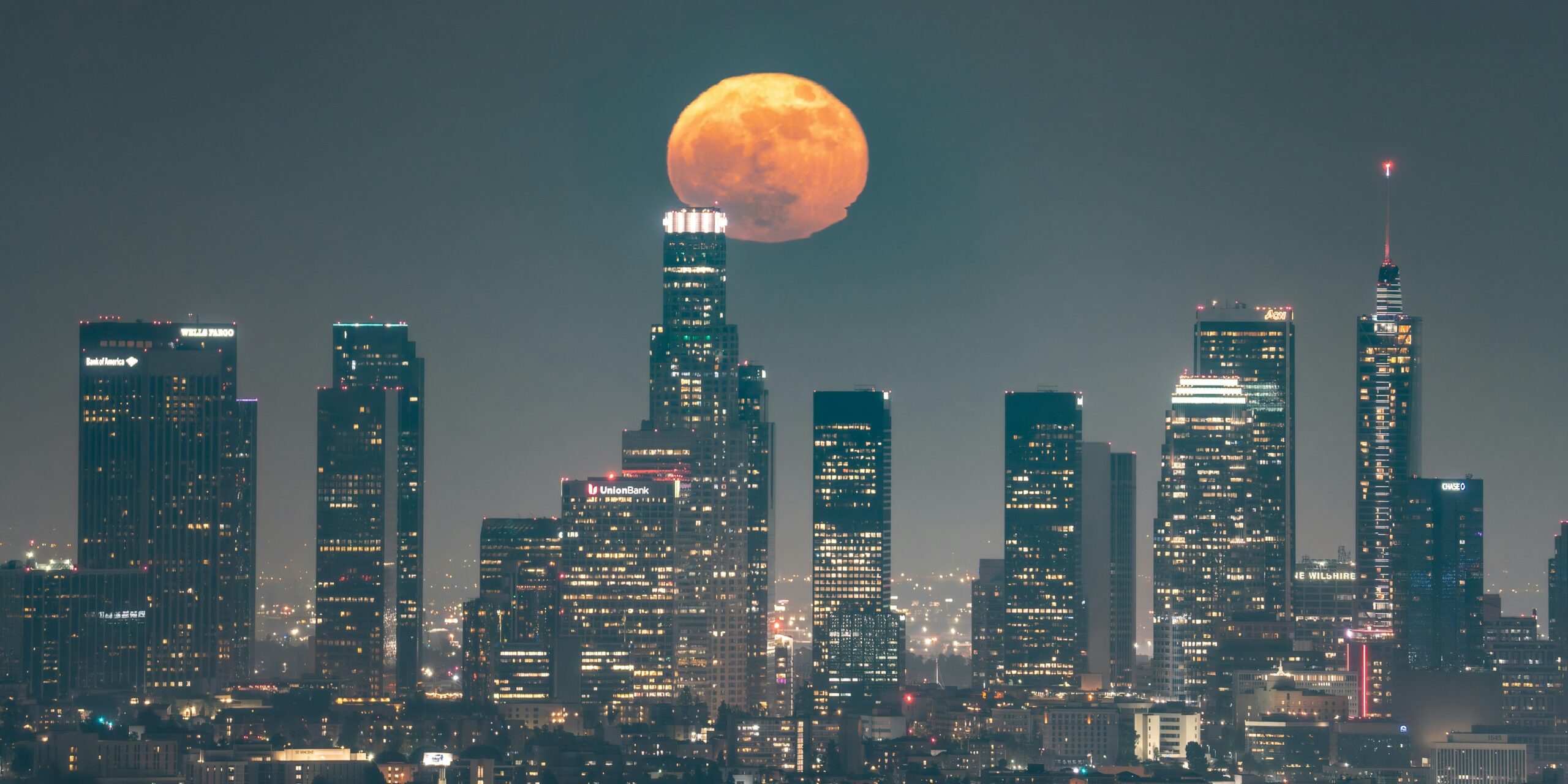
Skywatchers across the United States were treated to a spectacular celestial event: the final supermoon of the year, known as the “Cold Moon.” As the moon rose at sunset, its pale glow began to fill the night sky, and by midnight, it reached its peak brightness. This rare and beautiful occurrence provided an opportunity for viewers to pause and appreciate one of nature’s most awe-inspiring displays. For many, the Cold Moon offered a moment of reflection and calm amidst the busy and often hectic atmosphere that surrounds the holiday season.
The term “Cold Moon” is traditionally used to describe the full moon that occurs in December, a time when the nights grow longest and winter settles in over much of the Northern Hemisphere. This year’s Cold Moon, however, was particularly notable as it was also classified as a supermoon. A supermoon occurs when a full moon coincides with the point in its orbit when it is closest to Earth, making it appear significantly larger and brighter than a typical full moon. Although the term “supermoon” is not an official scientific designation, it has gained widespread popularity due to its visually stunning impact on the night sky. For those who witnessed it, the Cold Moon was undeniably a striking reminder of the beauty and power of nature.
While the event did not carry major scientific significance, the Cold Moon’s visual impact was undeniable. The moon appeared unusually large and luminous, casting a silvery glow over the landscape. For many Americans, this supermoon provided a rare chance to step outside, look up, and take in the vastness of the universe. In the midst of busy schedules and the constant rush leading up to the holidays, the supermoon offered a pause—a quiet moment to reconnect with the natural world and find peace under the bright lunar glow.
For those in urban areas, the sight of the Cold Moon was a welcome distraction from the daily grind. As many people took a break from work or holiday preparations, the moon’s appearance in the sky provided a brief escape from the chaos of modern life. Families and couples gathered together outside, enjoying the simple act of looking up at the same sky and sharing in the beauty of the moment. Stargazers, photographers, and casual observers alike marveled at the clarity and brilliance of the supermoon, making it a shared experience for people of all walks of life. The glow of the Cold Moon created an atmosphere of calm and wonder, offering a chance to reflect on the year past and look forward to what was yet to come.
While some people chose to enjoy the supermoon in solitude, others took advantage of the event as a way to connect with their loved ones. For many, it became a communal experience—whether gathering in backyards, on rooftops, or at local parks to get the best view of the moon, people shared stories, thoughts, and moments of peace under its light. It was a rare occasion that brought people together, providing an opportunity for families, friends, and stargazing enthusiasts to marvel at the vastness of the cosmos while appreciating the serenity of the moment.
Astronomers remind the public that although supermoons like the Cold Moon can be visually impressive, they are not significant events in terms of astronomical discovery. However, these celestial moments are valuable in their own right, as they evoke a sense of awe and wonder that encourages people to look up at the night sky. In an age where many are caught up in the rush of daily life, a supermoon offers a brief but powerful reminder of the world beyond Earth—of the stars, the planets, and the moon, all of which are part of a much larger universe that continues to exist regardless of our daily concerns. The Cold Moon was a chance to pause and reflect on this connection to something greater than ourselves.
As the final supermoon of 2025, the Cold Moon provided an opportunity for many to appreciate the beauty and mystery of our planet’s natural rhythms. Its luminous glow served as a symbol of the changing seasons, marking the transition from fall into winter and reminding us of the constant cycles of nature. Whether viewed as an aesthetic experience, a chance to connect with nature, or simply a break from the busyness of life, the Cold Moon left an impression on all who witnessed it.
In conclusion, the Cold Moon of December 4, 2025, was more than just a celestial event—it was a moment of peace and shared beauty that offered people a chance to reflect, pause, and enjoy the simple wonder of the night sky. As we approach the holidays, it served as a reminder of the natural wonders that are always present, waiting to be appreciated, even in the midst of our busiest moments. For those who took the time to look up, the Cold Moon provided a quiet, beautiful interlude in the rush of everyday life, one that will linger in the memories of those who were fortunate enough to witness it.

