
Grand Canyon Flash Flood Leaves One Dead as Search Continues for Missing Visitors
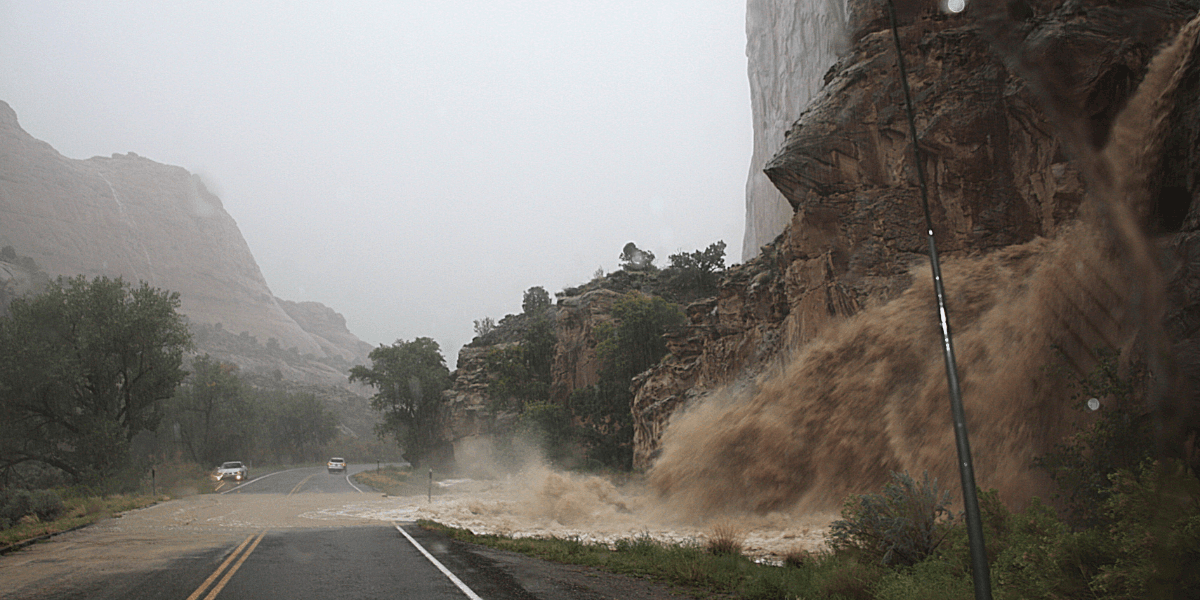
A major flash-flood emergency at Grand Canyon National Park in Arizona remained an active response operation on Monday, August 31, after a powerful storm swept through the inner canyon two days earlier. The National Park Service reported that one person had died and approximately 15 people remained missing or unaccounted for as officials continued search, evacuation and recovery efforts.
The flooding occurred Saturday, August 29, at about 2:30 p.m. in the Bright Angel Canyon and Phantom Ranch areas. Heavy rainfall rapidly transformed Bright Angel Creek, sending water, rocks and debris through parts of the canyon. The flooding damaged or destroyed critical infrastructure and prompted authorities to close several popular areas of the park.
Search and Rescue Efforts Continue
The National Park Service and Arizona Department of Public Safety have been coordinating efforts to locate people who may have been in the affected corridor when the flooding occurred. More than 60 visitors were evacuated from the area, including hikers and campers who had been staying near Phantom Ranch and along the lower North Kaibab Trail.
Approximately 15 people were still considered missing or unaccounted for as of Monday. Officials asked for information about hikers, backpackers and campers who may have been in the Bright Angel Creek corridor, Bright Angel Campground, along the North Kaibab Trail or in an area known as the Box.
The body of a 46-year-old man was recovered near Crystal Rapids along the Colorado River, according to authorities. Officials had not publicly released his identity in the latest updates.
The search has been complicated by the canyon's rugged terrain, damaged trails and limited communications. Authorities are continuing to assess affected areas while maintaining closures because additional storms could create further hazards.
Significant Damage to Trails and Water Infrastructure
The flooding caused extensive physical damage inside the canyon. Several footbridges along Bright Angel Creek were destroyed or severely damaged, while large amounts of rock and debris were carried toward the Colorado River.
One of the most significant concerns is damage to the Transcanyon Waterline, an important system that supplies water between the inner canyon and areas used by visitors and residents. The system was not operational following the flooding, leaving the park with limited water reserves.
Because of the reduced water supply, Grand Canyon National Park implemented Stage 4 water restrictions on the South Rim beginning Monday. The restrictions are designed to conserve available water while crews evaluate the damage and determine how the system can be restored.
The park also announced the closure of overnight hotel accommodations beginning August 31. Phantom Ranch, Bright Angel Campground, the Phantom Ranch Canteen and cabins, and the North Kaibab Trail between the North Kaibab Trailhead and Phantom Ranch remain closed until further notice.
Additional Severe Weather Remains Possible
The emergency comes as additional severe weather remains possible across northern and central Arizona. Officials continued to monitor the potential for thunderstorms and additional flash flooding in the Grand Canyon region.
The continuing weather threat is particularly significant in canyon environments, where conditions can change rapidly. Rain falling several miles away can send a surge of water downstream even when conditions at a person's immediate location appear relatively calm.
Saturated ground and steep terrain can also increase the risk of rapidly developing flooding in normally dry channels and narrow canyon areas.
What the Incident Means for Visitors
The Grand Canyon flood is a reminder that the park's dramatic landscape can also present serious weather-related hazards. Flash floods can develop quickly during Arizona's summer monsoon season, while narrow canyon corridors can leave hikers with limited time and space to move to safer locations.
Visitors planning trips to the Grand Canyon and other desert canyon areas should monitor official weather forecasts and park alerts before entering remote locations. Closure notices should also be followed, particularly in areas where trails, bridges or other infrastructure have been damaged.
The incident demonstrates how quickly severe weather can affect both visitors and the infrastructure required to operate one of America's most visited national parks. Beyond the immediate search-and-rescue operation, officials must assess damaged trails, bridges and water systems before affected areas can safely reopen.
For now, authorities remain focused on accounting for missing individuals, assisting people who were evacuated, conserving remaining water supplies and assessing the extent of the damage. Conditions may change as search operations continue and additional weather moves through the region.
Key Takeaways
- One person has died and approximately 15 people remain missing or unaccounted for following the August 29 flash flood.
- More than 60 people were evacuated from affected areas.
- Phantom Ranch, Bright Angel Campground and portions of the North Kaibab Trail remain closed.
- Damage to the Transcanyon Waterline has resulted in significant water-conservation measures.
- Additional thunderstorms and flash flooding remain possible in parts of northern and central Arizona.
- Visitors should check official park alerts and weather conditions before entering remote canyon areas.

Socal Journal Contributor
Covers regional events and community reporting across the Southern California counties.
This article features partner, contributor, or branded content from a third party. Members of the Socal Journal editorial staff were not involved in the creation of this content. All views and opinions are those of the contributor alone.
You May Also Like

Hair Extensions Los Angeles: Custom Extensions in Santa Monica

The Man Who Cleans Orange County's Dirtiest Cans

Dr. Ahriana Platten Reframes Menopause as a Sacred Journey to Sovereignty
Walking With Alex Foundation Brings A Powerful Message Of Hope To Hollywood With Its Be The Light Gala

Cobalt Media Marketing Frees Owners From Social Media
