
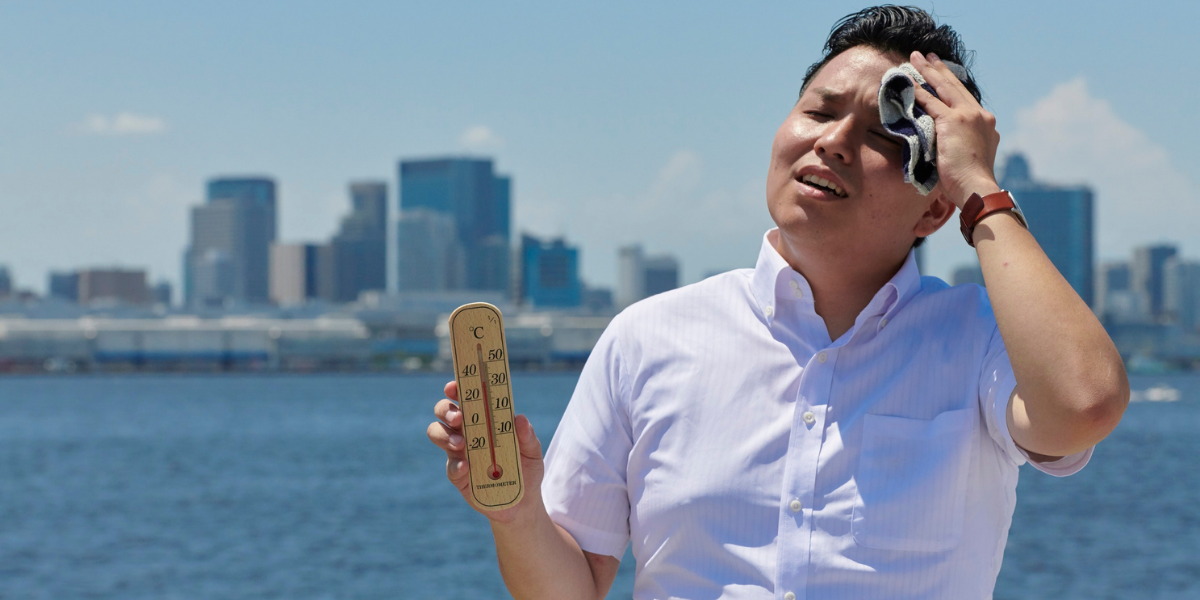
Southern California entered a period of increasingly dangerous summer weather on July 13, 2026, as meteorologists warned that an expanding heat wave combined with unusually high humidity could create hazardous conditions across much of the region. Weather officials advised residents to prepare for several days of elevated temperatures, limited overnight cooling, and the possibility of isolated mountain thunderstorms.
Monday marked the beginning of a significant warming trend expected to intensify through the middle of the week. Heat advisories were issued for several inland communities, with some areas expected to transition into Extreme Heat Warnings as temperatures climbed into the upper 90s and, in some inland valleys and deserts, exceeded 100 degrees Fahrenheit.
Although Southern California experiences hot summers every year, this weather event stands out because of the combination of extreme heat and elevated humidity. Moisture moving into the region creates more uncomfortable conditions by reducing the body’s ability to cool itself through perspiration. As a result, the heat can feel more intense than the actual air temperature, increasing the likelihood of heat-related illnesses.
Communities in inland valleys, foothills, and desert regions are expected to experience the highest temperatures throughout the event. Coastal areas will likely remain somewhat cooler due to marine influences, but humidity levels are also expected to rise noticeably near the coastline. Overnight temperatures are forecast to stay unusually warm in many neighborhoods, limiting the cooling that normally provides relief after sunset.
Forecasters also indicated that the influx of tropical moisture could lead to isolated afternoon and evening thunderstorms over Southern California’s mountain ranges later in the week. While widespread rainfall is not anticipated, localized downpours, lightning, gusty winds, and brief flash flooding may develop where storms form. Outdoor enthusiasts planning trips into mountain areas are encouraged to remain aware of changing weather conditions.
Along portions of the Southern California coastline, exceptionally high tides may contribute to minor coastal flooding in low-lying areas. Temporary flooding could occur during peak high tides, particularly in locations already prone to tidal impacts. Residents and visitors are encouraged to exercise caution near beaches, coastal roads, and waterfront infrastructure during these periods.
Health officials continue to emphasize the importance of heat safety as temperatures rise. Staying hydrated remains one of the most effective ways to reduce the risk of heat-related illness. Drinking water regularly, wearing lightweight and light-colored clothing, limiting strenuous outdoor activity during the hottest hours of the day, and spending time in air-conditioned environments can significantly improve personal safety during prolonged heat events.
Special attention should be given to older adults, young children, individuals with chronic medical conditions, and people who work outdoors. Family members and neighbors are encouraged to check on vulnerable individuals to ensure they have access to cool environments and adequate hydration.
Authorities also remind residents never to leave children or pets unattended inside parked vehicles. Vehicle interiors can reach dangerous temperatures within minutes, even when outdoor temperatures appear relatively moderate. Pet owners should also avoid walking animals on hot pavement during the afternoon, as asphalt and concrete surfaces can become hot enough to burn paw pads.
The prolonged heat is expected to increase electricity demand as residents rely more heavily on air conditioning systems. Conserving energy where practical, such as using major household appliances during the evening and maintaining efficient thermostat settings, can help reduce stress on the electrical grid while keeping homes comfortable.
Agricultural operations across Southern California may also experience additional challenges during the heat wave. Farmers often increase irrigation schedules and adjust work hours to protect crops, livestock, and agricultural workers from excessive heat exposure. Extended periods of high temperatures can place additional stress on both plants and animals, making careful management essential throughout the event.
Many local governments routinely prepare cooling centers during extended periods of dangerous heat. These facilities provide residents without reliable air conditioning a safe place to escape high temperatures. Community organizations and emergency management officials also continue public outreach efforts to promote heat safety awareness and encourage residents to stay informed as conditions evolve.
Travelers planning outdoor activities, including hiking, camping, or visiting parks and recreation areas, are advised to carry plenty of drinking water, wear appropriate sun protection, and avoid strenuous physical activity during the hottest parts of the afternoon. Heat exhaustion and heat stroke remain serious risks during prolonged periods of elevated temperatures, particularly in remote locations where emergency assistance may be delayed.
Weather conditions are expected to continue changing throughout the week, and residents are encouraged to monitor official forecasts and local weather updates for the latest advisories and safety information. Staying informed allows individuals, families, and businesses to make appropriate preparations as temperatures fluctuate and localized weather conditions develop.
As Southern California moves deeper into the summer season, this week’s combination of extreme heat and elevated humidity serves as an important reminder of the region’s weather extremes. By taking practical precautions, remaining aware of changing conditions, and looking out for vulnerable members of the community, residents can help reduce health risks while safely navigating one of the most significant weather events of the season.
