
Across Southern California, communities continue to experience a steady wave of positive developments that reflect the region’s evolving identity, one shaped by creativity, outdoor living, and renewed investment in public spaces. From coastal neighborhoods to inland cities, 2026 has brought a noticeable emphasis on strengthening community ties, expanding cultural access, and enhancing everyday quality of life for residents.
One of the most visible trends across the region is the continued revitalization of public spaces. Cities throughout Los Angeles County, Orange County, and San Diego County have prioritized parks, pedestrian-friendly corridors, and shared community hubs. These efforts aim to encourage healthier lifestyles and more accessible gathering spaces for families and individuals alike. Upgraded green spaces, improved walking trails, and expanded bike networks are increasingly becoming central features of urban planning, reflecting a broader shift toward sustainable and active living.
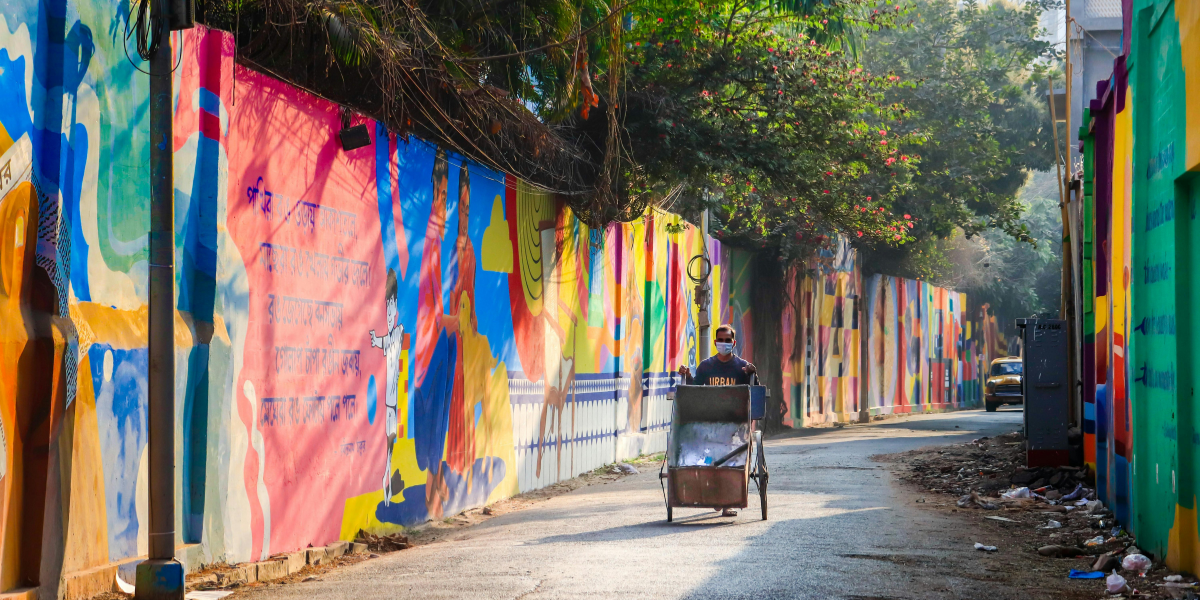
Local arts and cultural programs have also seen meaningful growth. Community theaters, public art installations, and neighborhood festivals are drawing consistent participation from residents of all ages. In many cities, public art initiatives have transformed previously underused areas into vibrant cultural landmarks. Murals, sculptures, and interactive installations now serve not only as aesthetic enhancements but also as storytelling tools that reflect the diversity and heritage of Southern California’s communities.
Libraries and cultural centers are also playing a larger role in civic life. Many have expanded their programming to include workshops, digital literacy courses, and multilingual services that support the region’s diverse population. These institutions continue to function as vital community anchors, offering free access to educational resources and gathering spaces that encourage lifelong learning.
In the housing and neighborhood development landscape, Southern California continues to focus on balanced growth and livability. While affordability remains a long-term concern, many communities are investing in mixed-use developments that combine residential, retail, and recreational spaces. These developments are designed to create walkable neighborhoods where residents can live, work, and engage in daily activities without extensive commuting. The emphasis on thoughtful urban design reflects a broader regional effort to improve quality of life while maintaining community character.
Small businesses are also experiencing renewed momentum across the region. Local cafés, family-owned restaurants, artisan shops, and service-based businesses are benefiting from community-driven support initiatives and neighborhood revitalization programs. Farmers markets continue to thrive, offering residents access to locally sourced produce and handmade goods while strengthening connections between consumers and regional producers.
Education and youth engagement programs are another area seeing positive development. Schools and community organizations have expanded extracurricular offerings that include arts, sports, environmental education, and technology-focused activities. These programs aim to provide students with well-rounded experiences that support both academic and personal growth. Partnerships between schools and local organizations have also helped create mentorship opportunities and skill-building workshops that prepare young residents for future careers.
Environmental awareness remains a consistent theme across Southern California communities. Cities and local organizations are encouraging sustainable practices such as water conservation, recycling education, and the use of renewable energy sources. Community clean-up events and coastal restoration projects continue to attract volunteers, reflecting a shared commitment to preserving the region’s natural beauty.
Transportation improvements are also contributing to a more connected region. Expansions in public transit options, improved rail connectivity, and investments in electric vehicle infrastructure are helping residents move more efficiently between cities. These developments are designed to reduce congestion while supporting long-term environmental goals.
Cultural diversity remains one of Southern California’s strongest defining features, and it continues to shape community life in meaningful ways. Festivals celebrating heritage, food, music, and traditions from around the world are regularly held throughout the region. These events foster understanding, bring communities together, and highlight the rich multicultural fabric that defines Southern California.
Looking ahead, the region’s continued focus on community well-being, cultural enrichment, and sustainable growth suggests a steady and optimistic trajectory. While challenges remain in areas such as housing and infrastructure, ongoing investments in public spaces, education, and local culture are helping to build stronger, more connected neighborhoods.
For residents across Southern California, these developments reflect a shared vision of a region that values creativity, inclusivity, and quality of life, qualities that continue to define its identity in 2026 and beyond.

