
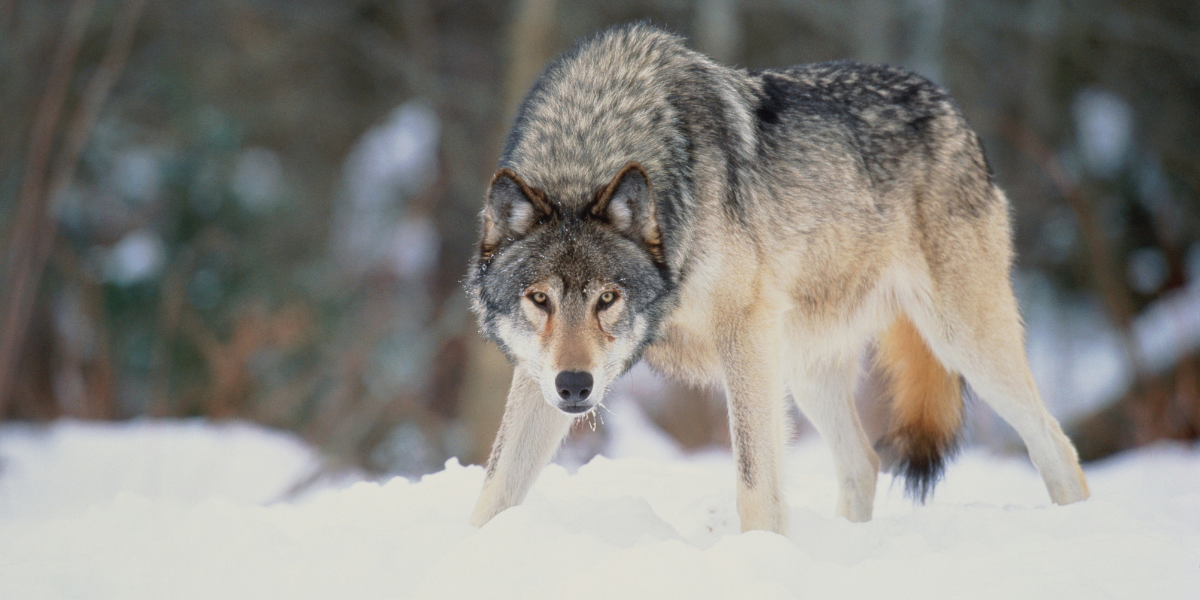
In a moment that has stunned wildlife conservationists and residents alike, a gray wolf was spotted in Los Angeles County on February 10, 2026 — the first such sighting in over 100 years. The reappearance of this elusive predator is not only a triumph for conservation efforts but also a powerful reminder of nature’s resilience and its potential to return to urban-adjacent environments. This rare event has sparked excitement across Southern California, providing new hope for wildlife preservation and ecological restoration in the region.
A Historic Return
Gray wolves were once common across much of the United States, including California, before they were hunted to near extinction in the early 20th century. By the 1920s, the last known gray wolf in California was killed, and the species disappeared from the state. Over the decades, various efforts have been made to restore the wolf population in California, particularly through reintroductions to more rural and remote areas like those in the northern and eastern parts of the state.
This sighting in Los Angeles County marks a significant turning point. The wolf was first captured on a wildlife camera set up in the Angeles National Forest, which spans across parts of Los Angeles, Ventura, and San Bernardino counties. Experts believe the wolf may have traveled from known wolf populations in neighboring areas, such as the Sierra Nevada or even further north in Oregon, as part of the species’ gradual range expansion.
“This is a monumental moment for California’s wildlife conservation efforts,” said David L. Wolfe, a biologist with the California Department of Fish and Wildlife. “It confirms that wolves are reclaiming their historical range, even in areas like Los Angeles County, which is heavily urbanized. It’s a sign that our work in creating wildlife corridors and preserving natural habitats is starting to bear fruit.”
Ecological Significance
The gray wolf’s return to Los Angeles County is significant not only for its rarity but also for the broader implications it has on the region’s ecosystem. Wolves play a crucial role in the health of ecosystems, particularly in controlling populations of large herbivores like deer and elk. By keeping these populations in check, wolves help maintain plant diversity, prevent overgrazing, and encourage a more balanced food web.
In California, where urban sprawl has led to fragmented wildlife habitats, the reappearance of the gray wolf is a potential indicator that restored habitats are becoming functional corridors, allowing wildlife to reconnect between isolated regions. The Angeles National Forest, for example, serves as an important link between mountain ranges and other wilderness areas. The presence of gray wolves could encourage further wildlife movement, benefiting other species, such as mountain lions and bobcats, which rely on similar ecosystems.
The return of the gray wolf also supports local conservation efforts to rebuild biodiversity in Southern California. The sighting provides new opportunities for scientific research into how large predators interact with urban and suburban landscapes, creating the potential for more sophisticated wildlife management strategies in the region.
Community Reactions
The sighting of the gray wolf has drawn a range of reactions from local residents, environmentalists, and governmental bodies. Many people are excited about the return of such a majestic creature to the region. Residents living near the Angeles National Forest, in particular, have expressed both curiosity and awe at the possibility of encountering the animal in their midst.
“I’ve lived in this area my whole life, and I never thought I’d see a wolf here,” said Megan Rodriguez, a local hiker who regularly treks through the national forest. “It’s inspiring to know that nature is finding a way to thrive again, even in such an urbanized region. It’s a reminder that we need to protect what we have left.”
At the same time, there are practical concerns about the wolf’s presence in such a densely populated area. Experts are working with local authorities to ensure that the animal does not become a danger to people or pets. While wolves generally avoid human contact, wildlife specialists emphasize the importance of keeping a safe distance from the animal, especially in populated areas.
“We are monitoring the situation closely,” said Renee Anderson, spokesperson for the U.S. Fish and Wildlife Service. “We want to ensure that this wolf is able to live freely in its natural habitat without posing a threat to local communities. We’re also collaborating with local wildlife groups to educate the public about coexisting with these animals.”
Conservation and Management
The sighting of the gray wolf in Los Angeles County serves as a reminder of the ongoing efforts needed to protect wildlife and their habitats. For the gray wolf, its return to California has been made possible through the combination of habitat restoration, legal protections, and the gradual reintroduction of wolves into suitable areas.
California passed significant protections for gray wolves under the state’s Endangered Species Act, making it illegal to hunt or harm them. In 2011, the California Fish and Game Commission officially listed the gray wolf as endangered, providing legal protection for any wolves that might reenter the state.
Moreover, wildlife corridors—natural passageways that connect protected habitats—are playing an increasingly vital role in allowing animals to move between areas without being exposed to the dangers of human development. These corridors are essential for the safe passage of species like wolves, who need large territories to roam and hunt. The Angeles National Forest and surrounding mountain ranges are among the key areas being evaluated for future conservation projects aimed at further supporting the gray wolf’s survival in Southern California.
Looking Ahead
As Southern California continues to grow, the question of how to balance urban development with conservation becomes increasingly important. The gray wolf’s return to Los Angeles County is not only a triumph of wildlife recovery but also an opportunity to reimagine how humans and wildlife can coexist in densely populated areas. The wolf’s presence in the Angeles National Forest could be the beginning of a larger movement toward ecological restoration and a more sustainable future for both wildlife and residents.
The historic sighting of the gray wolf is a powerful symbol of nature’s resilience and a reminder of the importance of protecting biodiversity. It marks a pivotal moment in California’s ongoing commitment to wildlife conservation and provides hope for future generations, not just for the gray wolf, but for all species that share this vibrant landscape.
As experts continue to monitor the situation and gather data on the wolf’s movements, Southern Californians will undoubtedly keep an eye on this fascinating development, celebrating the return of one of North America’s most iconic animals.
