San Diego Prepares for Comic-Con 2026 as Fans and Businesses Welcome One of the Region’s Biggest Annual Events
San Diego entered full Comic-Con mode on July 21, 2026, as downtown streets, local businesses, and entertainment venues prepared for the return of one of Southern California’s largest and most recognizable annual events. Although the official convention was scheduled to begin with Preview Night on July 22 before running through July 26, activity across the city was already well underway as exhibitors, production crews, fans, and businesses completed final preparations for the internationally recognized gathering.
Comic-Con International has grown from a comic book convention into one of the world’s premier pop culture events, attracting creators, studios, publishers, artists, and fans from across the globe. Each year, the convention transforms the area surrounding the San Diego Convention Center into a destination featuring interactive exhibits, themed experiences, entertainment activations, and community events that extend far beyond the convention halls.
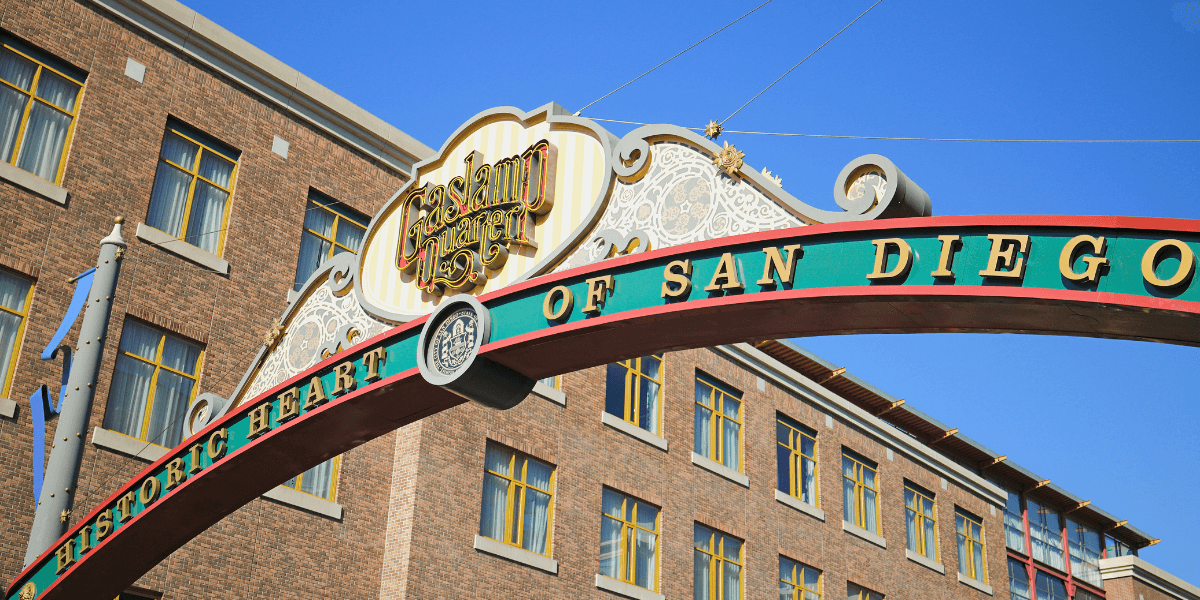
On July 21, downtown San Diego experienced a noticeable increase in visitors as attendees arrived ahead of the official opening. Hotels welcomed thousands of guests while nearby restaurants, retailers, and transportation providers prepared for one of the busiest weeks of the year. Streets throughout the Gaslamp Quarter featured large promotional displays, building wraps, and temporary installations highlighting upcoming television series, films, games, and entertainment brands.
Local businesses anticipated another strong economic boost from the influx of visitors. Comic-Con has long been recognized as one of San Diego’s most significant tourism events, generating increased demand for hotel accommodations, dining, shopping, rideshare services, and local attractions. Many businesses extended operating hours and introduced convention-themed menus, merchandise, and promotions to accommodate the growing number of visitors arriving throughout the week.
The convention itself is expected to welcome approximately 135,000 attendees over five days, making it one of the largest recurring events hosted in Southern California. Participants include comic creators, filmmakers, television producers, game developers, authors, cosplayers, collectors, educators, and families who travel from across the United States and internationally to participate in the celebration of popular culture.
Preparations also extended beyond the San Diego Convention Center. Numerous entertainment companies scheduled interactive experiences throughout downtown, allowing both badge holders and members of the public to participate in themed attractions. These off-site activations have become an increasingly important part of Comic-Con, giving visitors opportunities to experience immersive exhibits, product showcases, fan experiences, and promotional events without entering the convention center itself.
Community organizations also joined the festivities. The San Diego Public Library prepared its annual Comic-Con Conference for Educators and Librarians, featuring educational programming that explores comics, graphic novels, literacy, and storytelling. The initiative demonstrates how Comic-Con has evolved beyond entertainment to include educational and cultural programming that benefits educators, students, and local residents.
Cosplay remained another defining feature of the event. Throughout July 21, fans wearing detailed costumes could already be seen throughout downtown as photographers, visitors, and residents gathered to admire the creativity displayed by attendees. Costume craftsmanship has become one of Comic-Con’s most celebrated traditions, with participants dedicating months to designing and building outfits inspired by characters from comics, television, film, animation, and video games.
Local transportation agencies also implemented plans to manage increased traffic and pedestrian activity around the convention district. Additional transit services, designated rideshare locations, and traffic management measures were introduced to help accommodate the large number of visitors expected during the week while minimizing disruptions for local residents.
Public safety agencies coordinated with convention organizers to ensure the event could operate smoothly. Emergency services, law enforcement personnel, and city officials worked together to prepare for increased attendance while maintaining access to businesses, hotels, and public spaces throughout downtown San Diego.
Beyond its immediate economic impact, Comic-Con continues to reinforce San Diego’s reputation as a global destination for entertainment and creative industries. The convention regularly serves as a platform for major announcements involving upcoming films, television productions, publishing projects, animation, gaming, and collectibles. Industry professionals often use the event to connect with creators, media organizations, and audiences from around the world.
The convention’s influence has also expanded into tourism marketing for the region. Many visitors extend their stay to explore Southern California attractions, beaches, museums, and nearby destinations before or after attending Comic-Con. This broader tourism activity contributes to local hospitality businesses and showcases San Diego as both a cultural and recreational destination.
For longtime residents, Comic-Con has become an annual tradition that signals one of the city’s busiest and most vibrant weeks. For first-time visitors, it offers an opportunity to experience not only the convention itself but also the welcoming atmosphere created by businesses, volunteers, artists, and community organizations across San Diego.
As the city completed its final preparations on July 21, anticipation continued to build for another successful edition of Comic-Con International. With thousands of attendees already arriving and businesses ready to welcome visitors from around the world, Southern California once again demonstrated its ability to host one of the entertainment industry’s most influential and widely celebrated annual events.

Socal Journal Contributor
Covers regional events and community reporting across the Southern California counties.
This article features partner, contributor, or branded content from a third party. Members of the Socal Journal editorial staff were not involved in the creation of this content. All views and opinions are those of the contributor alone.
You May Also Like

Hair Extensions Los Angeles: Custom Extensions in Santa Monica
The Man Who Cleans Orange County's Dirtiest Cans

Dr. Ahriana Platten Reframes Menopause as a Sacred Journey to Sovereignty
Los Angeles Fire Department Highlights Battery Safety As Fire Prevention Week 2026 Concludes
Walking With Alex Foundation Brings A Powerful Message Of Hope To Hollywood With Its Be The Light Gala