Lollapalooza 2026 Draws National Attention as Music Festival Continues Into a Busy Weekend
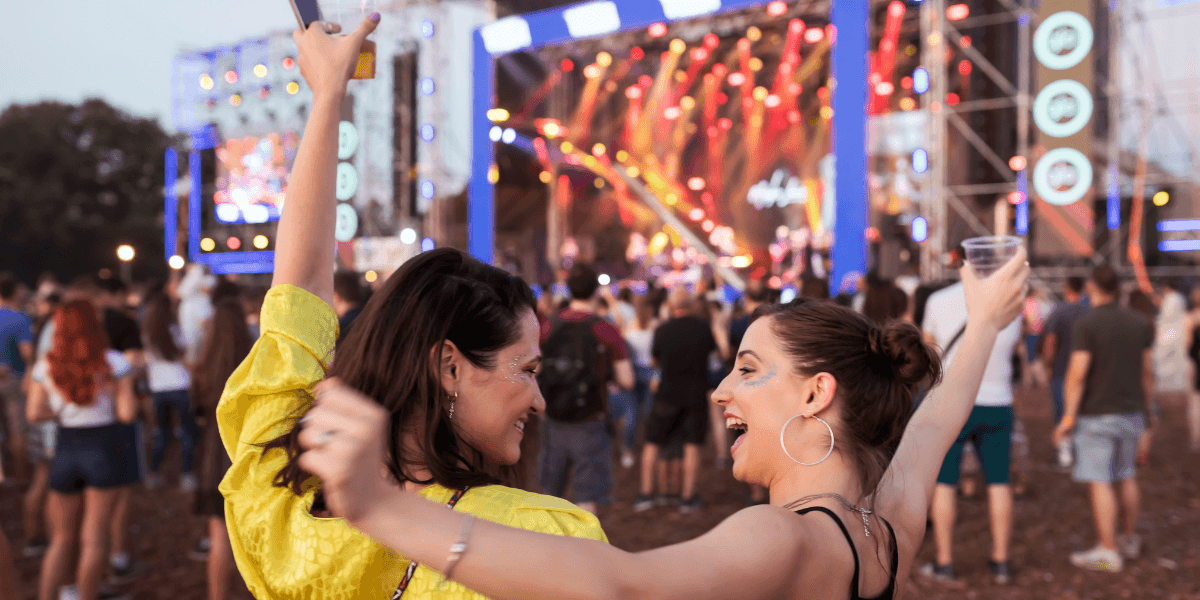
As one of the largest cultural events taking place in the United States on July 31, 2026, Lollapalooza 2026 continues to attract national attention during its second day in Chicago’s Grant Park. The four-day music festival has welcomed tens of thousands of attendees from across the country and around the world, featuring a diverse lineup of internationally recognized artists, emerging performers, and local talent. While the event is hosted in Illinois, its reach extends nationwide through livestreams, media coverage, and fans traveling from every region, including Southern California.
Lollapalooza officially opened on July 30 and runs through August 2, offering performances from more than 170 artists across multiple stages. Friday, July 31, marks one of the busiest days of the festival, with highly anticipated performances from artists representing pop, rock, hip-hop, electronic music, indie, and alternative genres. The event has maintained its reputation as one of the country’s premier summer music festivals by bringing together globally recognized musicians alongside rising talent.
One of the defining features of the 2026 edition is its emphasis on diversity among its headline performers. Organizers announced that this year’s festival features an unprecedented lineup led primarily by female headliners, reflecting the evolving landscape of the music industry and the growing influence of women across multiple genres. The programming has been widely recognized as a milestone for one of America’s most established music festivals.
Friday’s schedule includes several of the weekend’s most anticipated performances. Fans are gathering throughout the day to watch artists perform across multiple stages, creating an energetic atmosphere that has become synonymous with Lollapalooza. In addition to headline acts, dozens of emerging musicians are showcasing their work, providing audiences with opportunities to discover new talent while enjoying performances from established stars.
For audiences unable to attend in person, official livestreams have expanded access to the festival, allowing viewers across the United States to experience selected performances from home. Digital streaming has become an increasingly important part of major music festivals, helping organizers reach millions of additional viewers while giving artists greater exposure beyond those attending the event in person.
The festival also delivers a substantial economic boost to Chicago during one of the city’s busiest summer weekends. Hotels, restaurants, retail businesses, transportation providers, and tourism-related services benefit from the influx of visitors arriving for the four-day event. Local businesses often prepare months in advance for increased demand, while city officials coordinate transportation, public safety, and event operations to accommodate the large crowds.
Beyond music, Lollapalooza has evolved into a comprehensive cultural experience. Visitors can enjoy food from local restaurants, interactive art installations, sustainability initiatives, merchandise vendors, and community-focused activities throughout Grant Park. These experiences have become an essential part of the festival’s identity, appealing to attendees looking for more than traditional concert performances.
Weather conditions have remained an important consideration throughout the weekend, as is common for large outdoor events. Organizers continue monitoring forecasts and maintaining safety procedures to ensure performances proceed smoothly whenever possible. Festival staff work closely with local authorities to provide attendees with timely updates should weather conditions require adjustments to the schedule.
The continued success of Lollapalooza reflects the resilience of the live entertainment industry. Following years of changing audience habits and expanded digital engagement, music festivals remain among the most popular forms of live entertainment in the United States. Organizers have embraced technology through mobile applications, cashless payment systems, digital schedules, and livestreaming services that improve the overall experience for both in-person and remote audiences.
For Southern California readers, the festival offers insight into broader trends shaping live entertainment nationwide. Many of the production techniques, artist collaborations, sustainability initiatives, and fan engagement strategies showcased at Lollapalooza often influence festivals held throughout California. As one of the country’s leading music events, its innovations frequently serve as a benchmark for future entertainment experiences across the industry.
The festival also highlights the continued importance of cultural events in supporting tourism and local economies. Large-scale gatherings such as Lollapalooza generate significant visitor spending while creating opportunities for local artists, food vendors, hospitality businesses, and event professionals. The positive economic impact extends well beyond the festival grounds, benefiting communities throughout the host city.
As the weekend progresses, excitement remains high for the remaining performances leading into the festival’s conclusion on August 2. Additional headline acts and special performances are expected to draw large audiences, ensuring that Lollapalooza remains one of the defining music events of the summer season.
Lollapalooza 2026 demonstrates how music festivals continue to evolve beyond traditional concerts into immersive cultural experiences that combine entertainment, technology, community engagement, and tourism. On July 31, the event stands out as one of the most significant cultural happenings in the United States, bringing together artists and audiences from across the nation while celebrating the enduring appeal of live music.

Socal Journal Contributor
Covers culture and lifestyle, from how Southern California lives to what it makes of itself.
This article features partner, contributor, or branded content from a third party. Members of the Socal Journal editorial staff were not involved in the creation of this content. All views and opinions are those of the contributor alone.
You May Also Like
Los Angeles Valley Glen Development Restrictions Take Effect Under New City Ordinance

Orange County Housing Market Enters Fall With Tighter Inventory and Affordability Challenges
The Rosenthal Care Group Is Building a Connected Future for Care
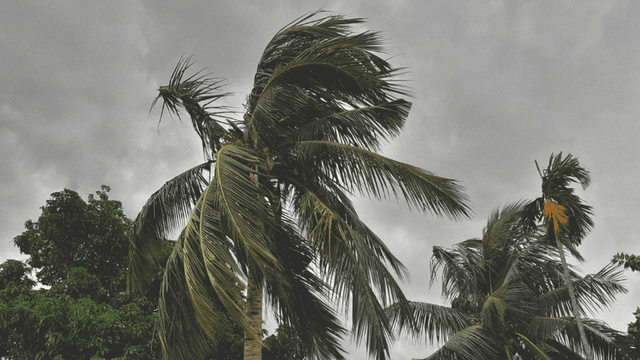
Hurricane Lowell Brings Damaging Winds, Flooding and Dangerous Surf to Hawaii
2026 Midterm Elections Enter a Critical Phase as Control of Congress Comes Into Focus