
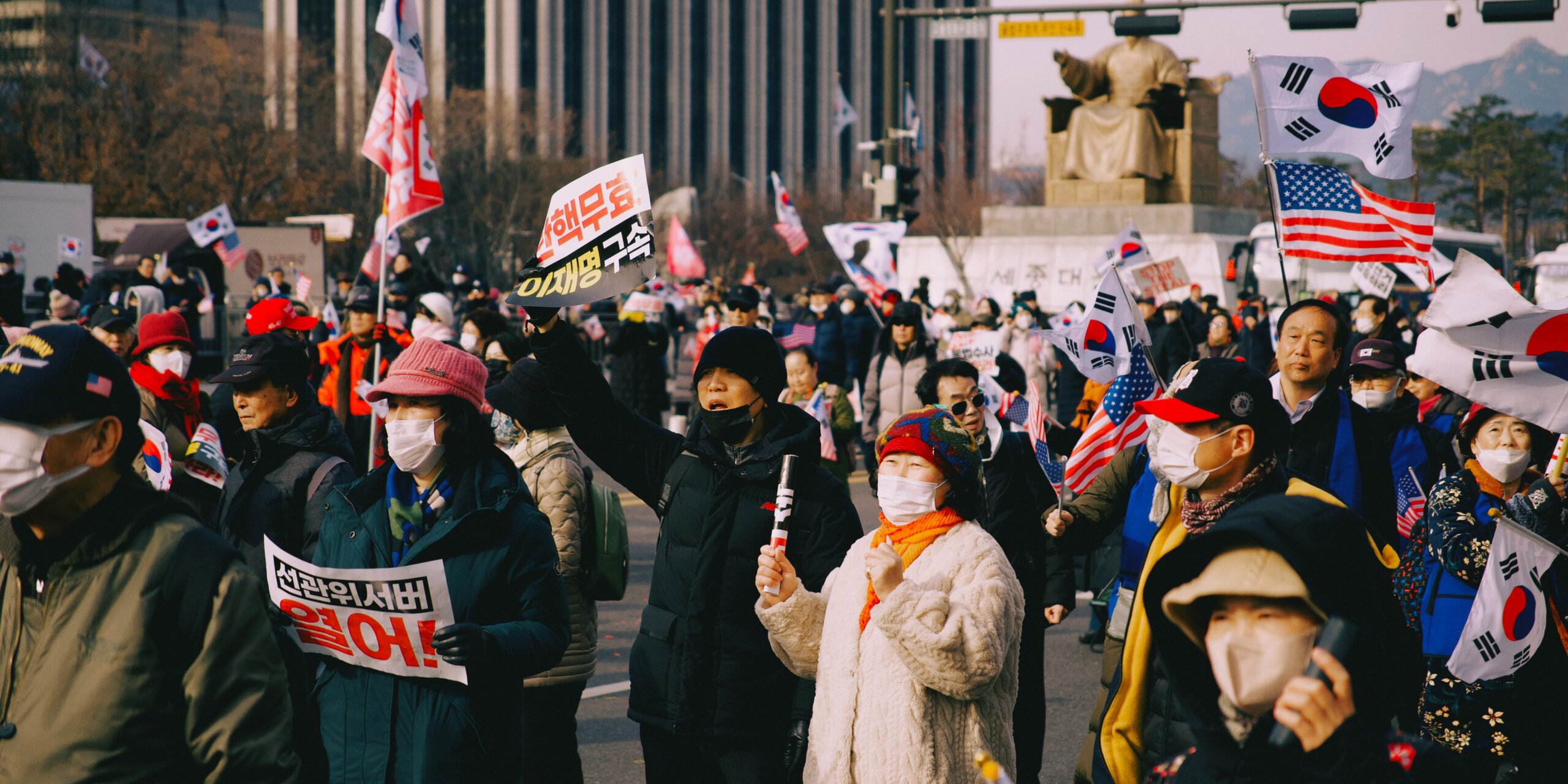
On January 13, 2026, communities across the United States came together to observe Korean American Day, a national day of recognition that honors the arrival of the first Korean immigrants to the U.S. and celebrates the diverse contributions Korean Americans have made to American society. The day holds deep historical significance, commemorating January 13, 1903, when the first documented group of Korean immigrants arrived in Honolulu, Hawaii. Since then, the Korean American community has grown into a vibrant and influential part of the American cultural and civic landscape.
First officially recognized by the U.S. Congress in 2005 through bipartisan resolutions, Korean American Day has become an annual opportunity to reflect on the sacrifices, achievements, and cultural heritage of Korean Americans. Although it is not a federal holiday, the observance is widely celebrated through public proclamations, educational initiatives, and a variety of cultural and community events. This year’s celebrations were particularly expansive, reaching across all corners of the country.
In Seattle’s King County, local leaders held a public recognition ceremony during a county council meeting, acknowledging the many ways Korean Americans have enriched the region. Similar commemorations occurred in cities from Los Angeles to New York, where local officials and civic groups organized gatherings to mark the day and recognize the historical and contemporary significance of the Korean American experience.
Cultural events formed the centerpiece of many celebrations. Festivals featuring traditional Korean music and dance, taekwondo demonstrations, and Korean cuisine drew large crowds and fostered a sense of community. Museums and cultural centers hosted special exhibits exploring Korean American history, while art installations and performances highlighted the evolution of Korean culture and its integration into the American fabric.
Educational institutions also played a key role. Schools and universities used the day as an opportunity to introduce students to the rich history of Korean immigration, the contributions of Korean American pioneers, and the impact of more recent generations in science, business, education, and public service. In classrooms and lecture halls, students engaged in discussions about identity, multiculturalism, and the significance of preserving cultural heritage in an increasingly global society.
In Washington, D.C., national organizations such as the Korea Economic Institute of America held commemorative events that brought together public officials, diplomats, academics, and community leaders. These gatherings emphasized the growing influence of Korean Americans in all sectors of U.S. life and underscored the importance of fostering cross-cultural understanding. Keynote speakers at these events highlighted the resilience of Korean immigrants who overcame language barriers, discrimination, and economic hardship to build strong families and thriving businesses, and to contribute meaningfully to American democracy.
Many of this year’s events were organized by local Korean American associations and community centers, which hosted family-friendly activities, community service projects, and forums on Korean American identity. These gatherings often served as intergenerational spaces where younger Korean Americans could learn from elders and connect with their cultural roots.
Korean American Day also prompted individuals across the country to engage with Korean culture in personal ways. Social media was filled with tributes, family stories, and cultural explorations. People shared photos of home-cooked Korean meals, posted about their favorite Korean authors and artists, and recommended books and documentaries on Korean American history. In doing so, the observance extended beyond formal ceremonies and entered everyday spaces where appreciation and curiosity could flourish.
The Korean American community has made significant strides in the 21st century, with rising visibility in politics, entertainment, science, and business. Korean Americans now serve in Congress, lead Fortune 500 companies, and shape national discourse through journalism, activism, and the arts. This growing presence was celebrated as a point of pride during the day’s events, illustrating how far the community has come since the early 20th century.
As Korean American Day continues to gain recognition each year, it serves not only as a celebration of cultural heritage but also as a call to honor the values of perseverance, community, and diversity. The stories of Korean Americans are woven into the broader American narrative, offering lessons about immigration, resilience, and the power of cultural exchange.
The observance on January 13, 2026, highlighted how Korean American history is both unique and universally resonant—a story of families seeking opportunity, building community, and contributing to a nation that grows stronger through its diversity. With each passing year, Korean American Day affirms that the contributions of Korean Americans are essential to the fabric of the United States, and that recognizing these contributions strengthens the collective understanding of what it means to be American.

