July’s Buck Moon Draws Skywatchers Across Southern California and the United States
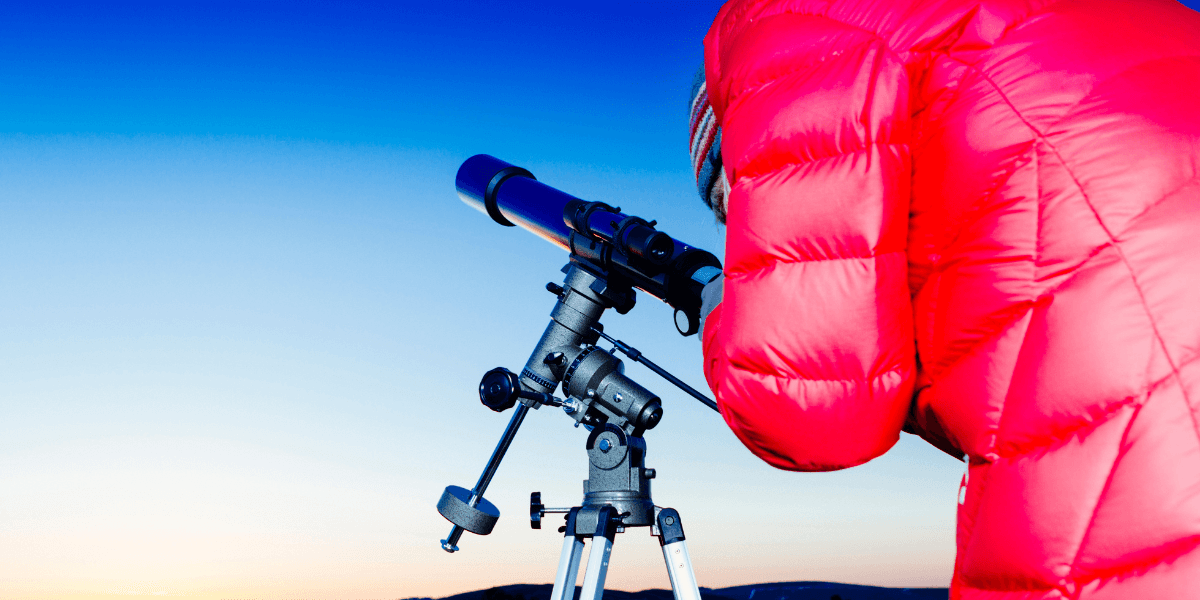
Residents across Southern California joined millions of Americans on July 29, 2026, to observe the annual Buck Moon, the full moon of July, as clear summer skies created favorable viewing conditions across much of the region. The celestial event attracted photographers, amateur astronomers, families, and outdoor enthusiasts who gathered at beaches, parks, mountain overlooks, and desert locations to experience one of the year’s most recognizable astronomical events.
Unlike rare eclipses or other infrequent celestial phenomena, the Buck Moon is an annual event that combines scientific interest with centuries-old cultural traditions. While the moon officially reached its full phase earlier in the day, the most impressive views came after sunset, when it rose above the eastern horizon with a warm orange glow. As it climbed higher into the night sky, the moon gradually appeared brighter and whiter, creating a striking contrast against the clear summer skies.
Southern California’s varied landscapes offered excellent viewing opportunities. Coastal communities enjoyed unobstructed horizons over the Pacific Ocean, while mountain and desert regions provided darker skies with less light pollution. Even residents in larger metropolitan areas were able to appreciate the full moon despite city lights, making the event accessible to people across the region.
The name “Buck Moon” originates from a seasonal occurrence in nature. During this time of year, male deer, commonly known as bucks, begin growing new antlers, symbolizing growth and renewal. The name has been used for generations as part of traditional seasonal calendars that helped communities track the changing cycles of nature. Although different cultures have their own names for July’s full moon, Buck Moon remains one of the most widely recognized throughout the United States.
For many people, observing the Buck Moon is more than simply looking at the night sky. It provides an opportunity to slow down, spend time outdoors, and appreciate the natural world. Families gathered in local parks, photographers sought scenic compositions featuring the moon rising over familiar landmarks, and astronomy enthusiasts used binoculars and telescopes to observe details on the lunar surface, including craters, mountain ranges, and the darker plains known as maria.
One of the most noticeable features of the Buck Moon occurs shortly after moonrise, when it appears unusually large and displays shades of orange, gold, or even reddish hues. Although many people believe the moon is physically larger at this time, the effect is actually an optical illusion caused by the way the human brain perceives objects near the horizon. Atmospheric conditions can also scatter shorter wavelengths of light, allowing warmer colors to become more prominent during the moon’s rise.
The event also highlights the accessibility of astronomy. Unlike solar eclipses or other specialized celestial events that require protective equipment or careful planning, the Buck Moon can be enjoyed with the naked eye. Anyone with a clear view of the eastern horizon can observe the full moon without the need for expensive equipment. Binoculars and small telescopes enhance the experience but are not necessary to appreciate the beauty of the lunar landscape.
Throughout Southern California, many residents took advantage of the pleasant summer evening to visit beaches, hiking trails, scenic overlooks, and open spaces where the moon could be viewed without significant visual obstructions. The combination of warm weather and relatively stable atmospheric conditions made the event especially enjoyable for outdoor recreation, encouraging communities to spend time together under the night sky.
The Buck Moon also served as a reminder of the connection between astronomy and everyday life. For thousands of years, people have relied on the phases of the moon to mark seasons, guide agricultural activities, and organize cultural traditions. Today, while modern technology provides precise calendars and forecasting tools, the full moon continues to inspire curiosity and appreciation for the natural rhythms of the Earth and its closest celestial neighbor.
In addition to its cultural significance, events like the Buck Moon encourage interest in science and education. Astronomy remains one of the most accessible scientific fields, allowing people of all ages to explore space from their own neighborhoods. Schools, local astronomy clubs, and science organizations frequently use full moon events as opportunities to introduce children and adults to the fundamentals of lunar science and the broader universe beyond Earth.
Photography also played a major role in this year’s event. Advances in smartphone cameras and consumer photography equipment have made it easier than ever for people to capture impressive images of the moon rising above city skylines, coastlines, mountains, and other familiar Southern California landscapes. Social media platforms quickly filled with photographs showcasing the event from different perspectives, reflecting the widespread public interest in celestial events.
While the Buck Moon returns every July, each year’s viewing experience is shaped by weather conditions, atmospheric clarity, and local landscapes. For Southern California residents, the 2026 Buck Moon provided another memorable opportunity to enjoy a shared natural event that combined science, culture, and outdoor recreation.
As the summer season continues, astronomy enthusiasts can look forward to additional celestial events, including upcoming meteor showers, planetary observations, and future full moons. These recurring events continue to remind people that some of the most remarkable experiences are freely available by simply looking up at the night sky.

Socal Journal Contributor
Covers culture and lifestyle, from how Southern California lives to what it makes of itself.
This article features partner, contributor, or branded content from a third party. Members of the Socal Journal editorial staff were not involved in the creation of this content. All views and opinions are those of the contributor alone.
You May Also Like

Los Angeles Valley Glen Development Restrictions Take Effect Under New City Ordinance

Orange County Housing Market Enters Fall With Tighter Inventory and Affordability Challenges

The Rosenthal Care Group Is Building a Connected Future for Care

Hurricane Lowell Brings Damaging Winds, Flooding and Dangerous Surf to Hawaii

2026 Midterm Elections Enter a Critical Phase as Control of Congress Comes Into Focus