
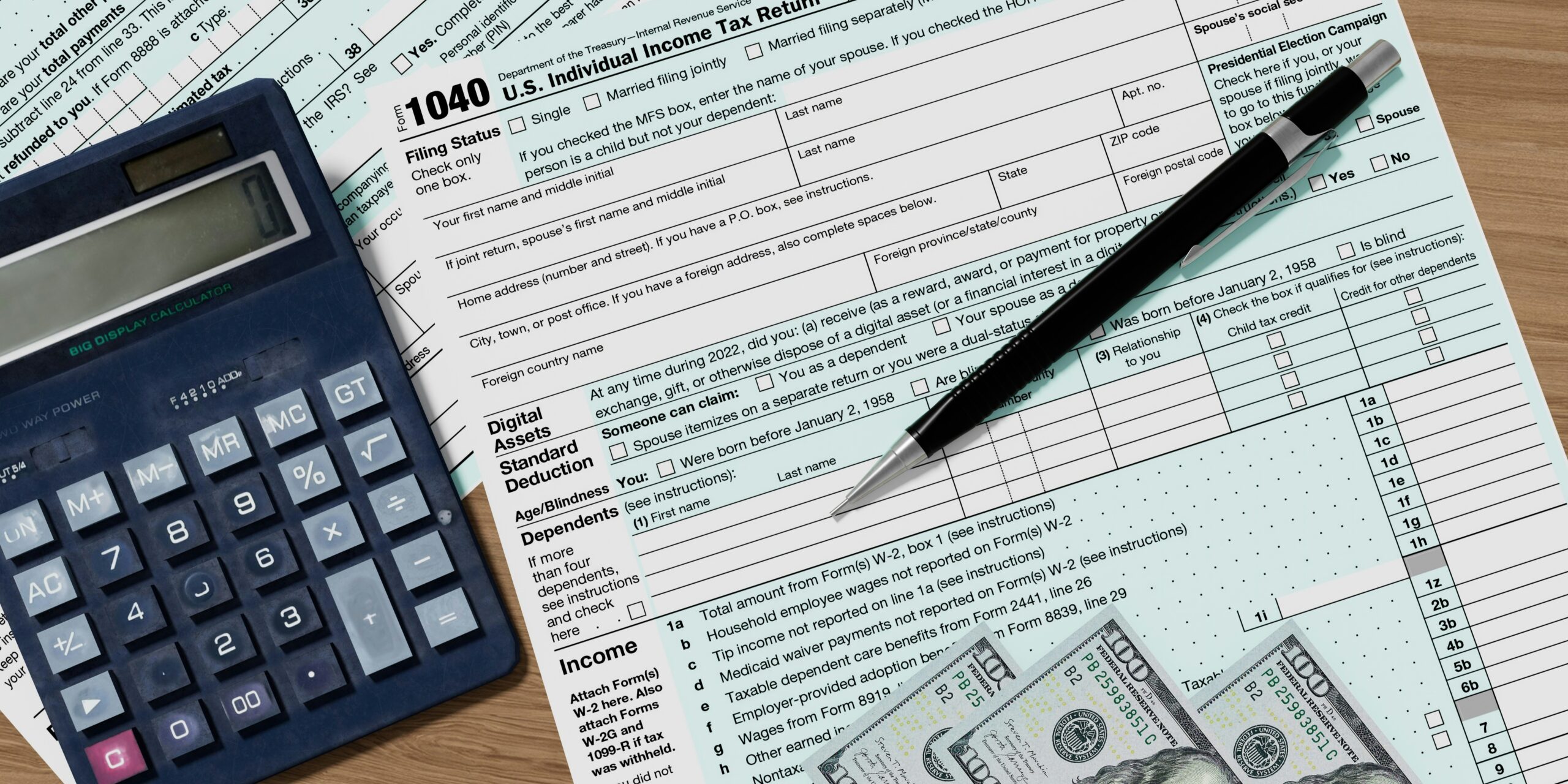
The Internal Revenue Service (IRS) officially launched the 2026 federal tax filing season, signaling the beginning of the process for Americans to submit their 2025 income tax returns. As the tax season kicks off, the IRS expects to receive approximately 164 million individual returns this year, continuing the trend of electronic filing that has become increasingly popular in recent years. With the majority of taxpayers opting to file electronically, the IRS is preparing for another busy season as people across the country start to navigate the complexities of tax filing.
This year’s tax season brings with it significant updates, particularly as a result of recent changes to federal tax legislation. The latest tax reforms could have an impact on many filers, particularly regarding the deductions and credits that are available. These changes include adjustments to existing credits, such as the Child Tax Credit, as well as new provisions that may alter the way some expenses are handled. These updates are designed to improve the fairness of the tax system, but they also mean that taxpayers will need to familiarize themselves with the new guidelines and ensure they are complying with the most recent rules. For many, these changes could potentially lead to different refund amounts or changes in their overall tax liabilities.
To help taxpayers adjust to these changes, the IRS has updated its filing forms and improved its online resources. These updates aim to make the filing process easier for both individuals and tax professionals. The IRS has provided clear instructions on the new provisions and made available an array of online tools to assist in completing returns accurately. These tools include calculators, checklists, and instructional guides that can help ensure taxpayers don’t miss out on any potential deductions or credits. The online resources have been designed to streamline the filing process and reduce common mistakes that can delay returns or result in unnecessary audits.
Taxpayers have until April 15, 2026, to submit their returns or request an extension. The IRS encourages people to file as early as possible, not only to avoid last-minute stress but also to expedite any refunds they may be entitled to receive. For those who need more time to file, an extension is available. However, it’s important to remember that an extension to file is not an extension to pay. Taxpayers who owe taxes must still estimate and pay their liabilities by the original April 15 deadline to avoid penalties and interest. As always, the IRS urges taxpayers to make their payments on time to avoid costly consequences.
In addition to its online tools, the IRS has worked to improve its customer service for taxpayers who need additional help navigating the filing process. The agency has ramped up its efforts to ensure that assistance is available to individuals with questions about the changes to tax law and how they may affect their returns. This has become especially important as tax reform continues to evolve, and taxpayers are encouraged to take advantage of the resources that are now more widely available to help guide them through the filing process.
With the 2026 tax season officially underway, the IRS is preparing to handle a high volume of returns. The increase in electronic filings has made the process faster and more efficient, but it also means that taxpayers must be even more diligent in ensuring their returns are accurate. While the tax season can be stressful for many, the availability of updated resources and guidance from the IRS helps to make the process more manageable. It is essential for taxpayers to stay informed about the changes to the tax code and to use the tools provided by the IRS to file correctly and on time.
This year’s tax season promises to be one of the busiest in recent memory, with new provisions and updated resources aimed at making the filing process smoother for millions of Americans. As taxpayers begin preparing their returns, they must take extra care to ensure that they understand the new provisions that could affect their filings. The IRS has made significant efforts to ensure that all individuals and businesses have the resources they need to complete their filings successfully. By staying ahead of the changes and filing early, taxpayers can avoid delays and ensure a smoother, more efficient tax season.

