Hurricane Lowell Brings Damaging Winds, Flooding and Dangerous Surf to Hawaii
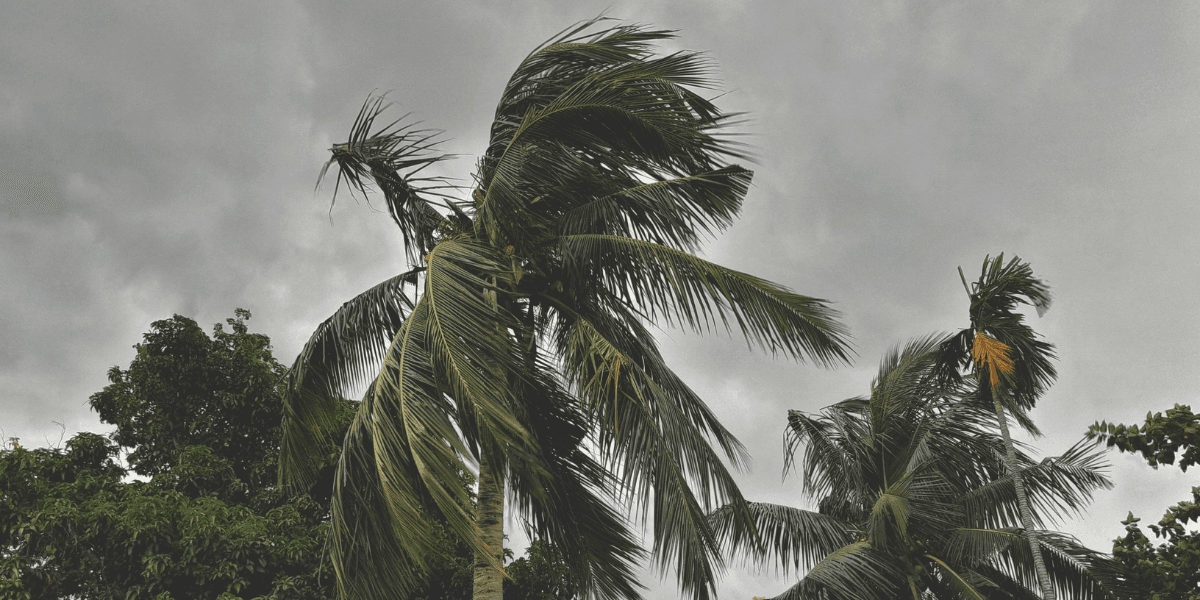
Hurricane Lowell brought dangerous weather conditions to Hawaii on Tuesday, September 8, as the storm moved north of the islands after passing close to Kauaʻi and Niʻihau. Although Lowell was weakening, heavy rain, strong winds, high surf and flooding remained concerns across parts of the state.
The storm was classified as a Category 1 hurricane early Tuesday, with maximum sustained winds of approximately 90 mph. It was moving north at roughly 18 mph as it traveled away from the Hawaiian Islands. While the storm's center was moving farther from land, weather conditions remained hazardous, particularly on Kauaʻi, Niʻihau and Oʻahu.
Kauaʻi and Niʻihau remained under a hurricane warning, while Oʻahu was under a tropical storm warning. A statewide flood watch was also in effect, along with high-surf warnings covering numerous coastal areas. Officials continued to caution residents about the possibility of dangerous conditions even as Lowell gradually weakened.
The storm's approach led to widespread changes in normal activities. State and county offices, public schools and several public facilities on Oʻahu and in Kauaʻi County were closed Tuesday because of the threat from the storm. Some University of Hawaiʻi campuses were also closed. Essential government and emergency services continued operating.
Rainfall was among the most significant hazards associated with Lowell. Forecasters warned that additional heavy rain could produce flash flooding, particularly in areas that receive intense or persistent showers. Kauaʻi faced the potential for several additional inches of rainfall, with locally much higher totals possible. Parts of the Big Island, Oʻahu and Maui County were also expected to receive substantial rainfall.
The risk was especially important in areas with steep terrain, where heavy precipitation can rapidly overwhelm drainage systems and contribute to flooding or mudslides. Residents in vulnerable areas were advised to remain alert to changing weather conditions and follow instructions from local emergency officials.
Coastal conditions also presented a serious concern. Swells generated by Lowell produced elevated surf along portions of Hawaii's coastline, particularly on south-facing shores. Large waves and powerful currents can create dangerous conditions for swimmers, surfers and others near the water, while high surf can also affect coastal roads, beaches and infrastructure.
Marine conditions around the islands were similarly challenging. Strong winds, high waves and rough seas created hazardous conditions for boaters and other marine users. Some areas remained under marine warnings or small-craft advisories as the storm moved away.
Transportation was another area affected by the storm. Heavy rain and strong winds created difficult driving conditions, while periods of low clouds, showers and turbulence affected portions of the state's aviation environment. Officials continued to encourage residents to limit unnecessary travel during the most hazardous periods.
For Southern California readers, the storm also provides a broader reminder of how large weather systems in the Pacific can influence conditions far from the storm's center. Southern California was experiencing its own unusual weather pattern on Tuesday, with increased humidity and tropical moisture contributing to uncomfortable conditions across parts of the region.
The Southern California connection is particularly relevant because moisture from tropical systems can sometimes travel northward and contribute to changes in local weather. While the effects vary considerably from one system to another, tropical moisture can contribute to increased humidity, cloud cover, rainfall or unusual heat when atmospheric conditions allow it to move into the region.
One of the most important lessons from Lowell's passage is that a weakening hurricane does not immediately eliminate all hazards. A storm can lose wind strength while still producing heavy rainfall, dangerous surf and flooding. In some circumstances, these secondary hazards can remain significant after the center of a storm has moved away.
Weather conditions were expected to gradually improve as Lowell continued moving farther north from Hawaii. However, forecasters expected some showers and elevated surf to persist after the storm's closest approach. Residents and visitors were therefore encouraged to continue paying attention to official weather information rather than assuming conditions were immediately safe once the hurricane began weakening.
For communities affected by Lowell, preparedness remained important throughout the storm's passage. Keeping informed about weather warnings, avoiding flooded roads, staying away from dangerous shorelines and following directions from local authorities are among the basic precautions that can reduce exposure to hazardous conditions.
Hurricane Lowell's passage through the central Pacific region highlights the unpredictable nature of tropical weather and the importance of preparation. Even a Category 1 storm can produce dangerous combinations of wind, rain, flooding and high surf. As Hawaii began moving toward improving conditions Tuesday, officials continued to emphasize caution while the remaining hazards gradually subsided.

Socal Journal Contributor
Covers regional events and community reporting across the Southern California counties.
This article features partner, contributor, or branded content from a third party. Members of the Socal Journal editorial staff were not involved in the creation of this content. All views and opinions are those of the contributor alone.
You May Also Like

Hair Extensions Los Angeles: Custom Extensions in Santa Monica

The Man Who Cleans Orange County's Dirtiest Cans

Dr. Ahriana Platten Reframes Menopause as a Sacred Journey to Sovereignty
Los Angeles Fire Department Highlights Battery Safety As Fire Prevention Week 2026 Concludes

Walking With Alex Foundation Brings A Powerful Message Of Hope To Hollywood With Its Be The Light Gala