
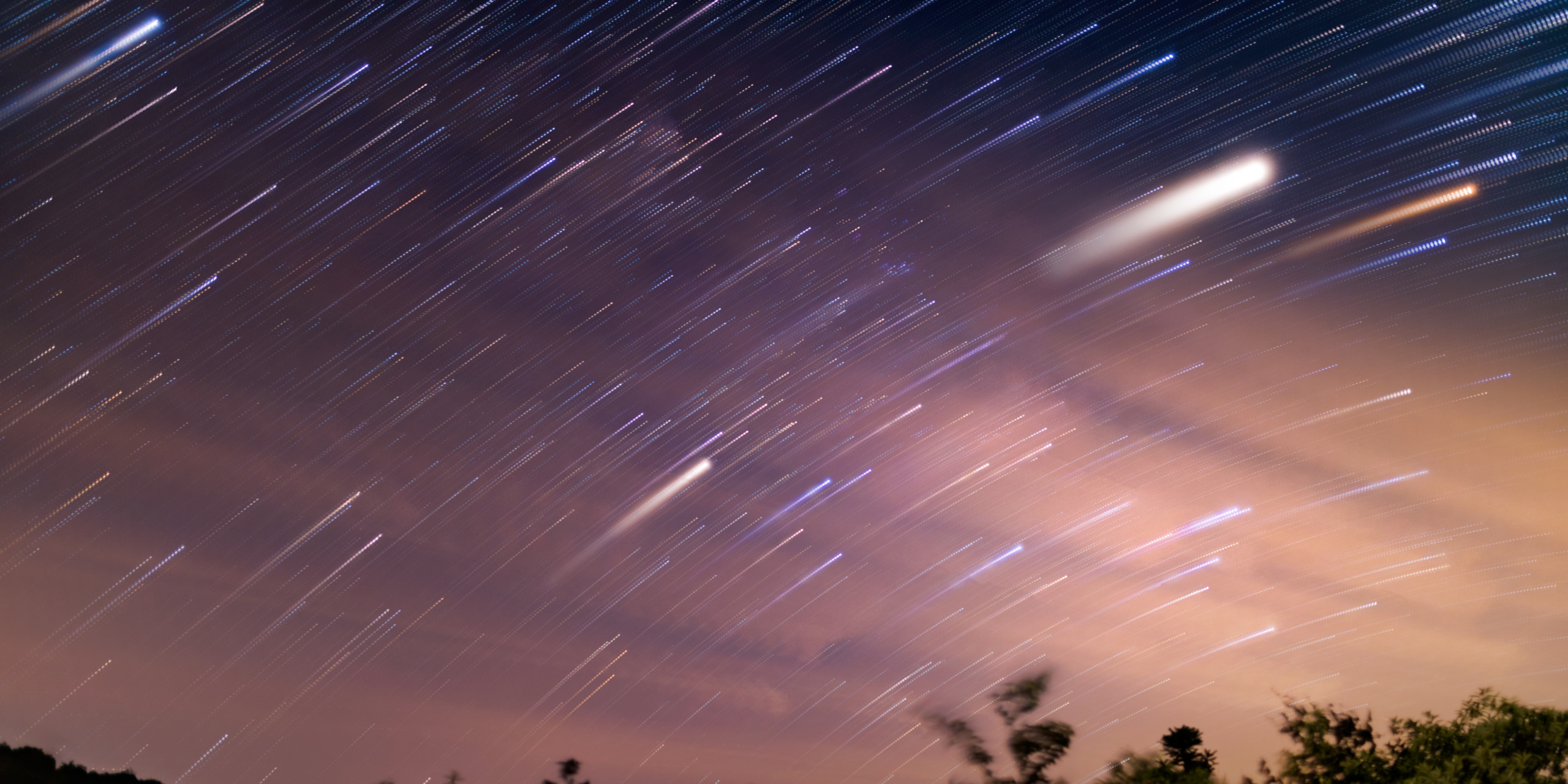
Southern California residents were treated to a remarkable natural spectacle in the early hours of May 6, 2026, as the annual Eta Aquarid meteor shower reached its peak across the United States. The celestial event, known for its तेज, fast-moving meteors and luminous trails, brought communities together in a shared moment of wonder, reinforcing the region’s deep connection to outdoor experiences and natural beauty.
The Eta Aquarid meteor shower occurs each year when Earth passes through a stream of debris left behind by Halley’s Comet. As these tiny particles enter the atmosphere at high speed, they burn up, creating bright streaks of light that appear to shoot across the night sky. This year’s peak offered ideal opportunities for viewing, particularly in Southern California, where clear skies and relatively low humidity created favorable conditions for stargazing.
A Shared Experience Under the Stars
From the beaches of Malibu to the deserts of Joshua Tree, residents and visitors alike gathered in open spaces to witness the event. Local astronomy groups and community organizations organized informal viewing meetups, encouraging people to step away from city lights and reconnect with the night sky.
Families, students, and amateur astronomers brought blankets, cameras, and telescopes to parks and scenic overlooks, turning the early morning hours into a quiet celebration of nature. For many, the experience offered a rare chance to slow down and appreciate the vastness of the universe.
Southern California’s geography played a key role in enhancing visibility. Because the meteor shower’s radiant point rises higher in the sky at lower latitudes, viewers in the region were able to see more meteors compared to those in northern parts of the country. This made the area one of the more favorable locations nationwide for observing the event.
Blending Science and Everyday Life
Beyond its visual appeal, the meteor shower served as an engaging entry point into astronomy for many residents. Local educators and science advocates used the event to spark curiosity, sharing insights about comets, space debris, and Earth’s place in the solar system.
Several observatories and educational institutions in the region promoted the event through online resources and community outreach, helping people understand not just what they were seeing, but why it happens. These efforts reflect a growing interest in science education and public engagement across Southern California.
The event also highlighted the importance of preserving dark skies. As urban development continues to expand, light pollution remains a challenge for stargazing. Experiences like the Eta Aquarids serve as a reminder of the value of maintaining accessible dark-sky areas where residents can enjoy the night sky in its full clarity.
A Lifestyle Rooted in Nature
For many Southern Californians, outdoor living is an essential part of daily life. Whether it’s hiking, beachgoing, or simply enjoying a sunset, the region’s natural environment plays a central role in its culture. The meteor shower added another dimension to this lifestyle, offering a nighttime activity that blends relaxation, exploration, and learning.
Events like this also contribute to local tourism, as visitors seek out scenic destinations known for their clear skies. National parks and coastal viewpoints saw increased early-morning activity, with many travelers planning trips specifically around the meteor shower’s peak.
Key Takeaways for the Community
The Eta Aquarid meteor shower provided more than just a visual display, it offered meaningful benefits for the community:
- Connection: Shared viewing experiences brought people together across different backgrounds and age groups.
- Education: The event encouraged interest in astronomy and science learning.
- Well-being: Spending time outdoors under the night sky promoted relaxation and mindfulness.
- Appreciation: Residents gained a renewed sense of appreciation for the region’s natural environment.
Looking Ahead
Although the peak has passed, the Eta Aquarid meteor shower will remain active for several more days, giving late observers a chance to catch glimpses of the phenomenon. Looking forward, Southern California residents can anticipate more celestial events throughout the year, each offering new opportunities to engage with the cosmos.
As interest in astronomy continues to grow, events like this highlight the unique advantages of living in a region with accessible natural spaces and favorable viewing conditions. For readers of SoCalJournal.com, the Eta Aquarid meteor shower stands as a reminder that some of the most memorable experiences can be found simply by looking up.
