
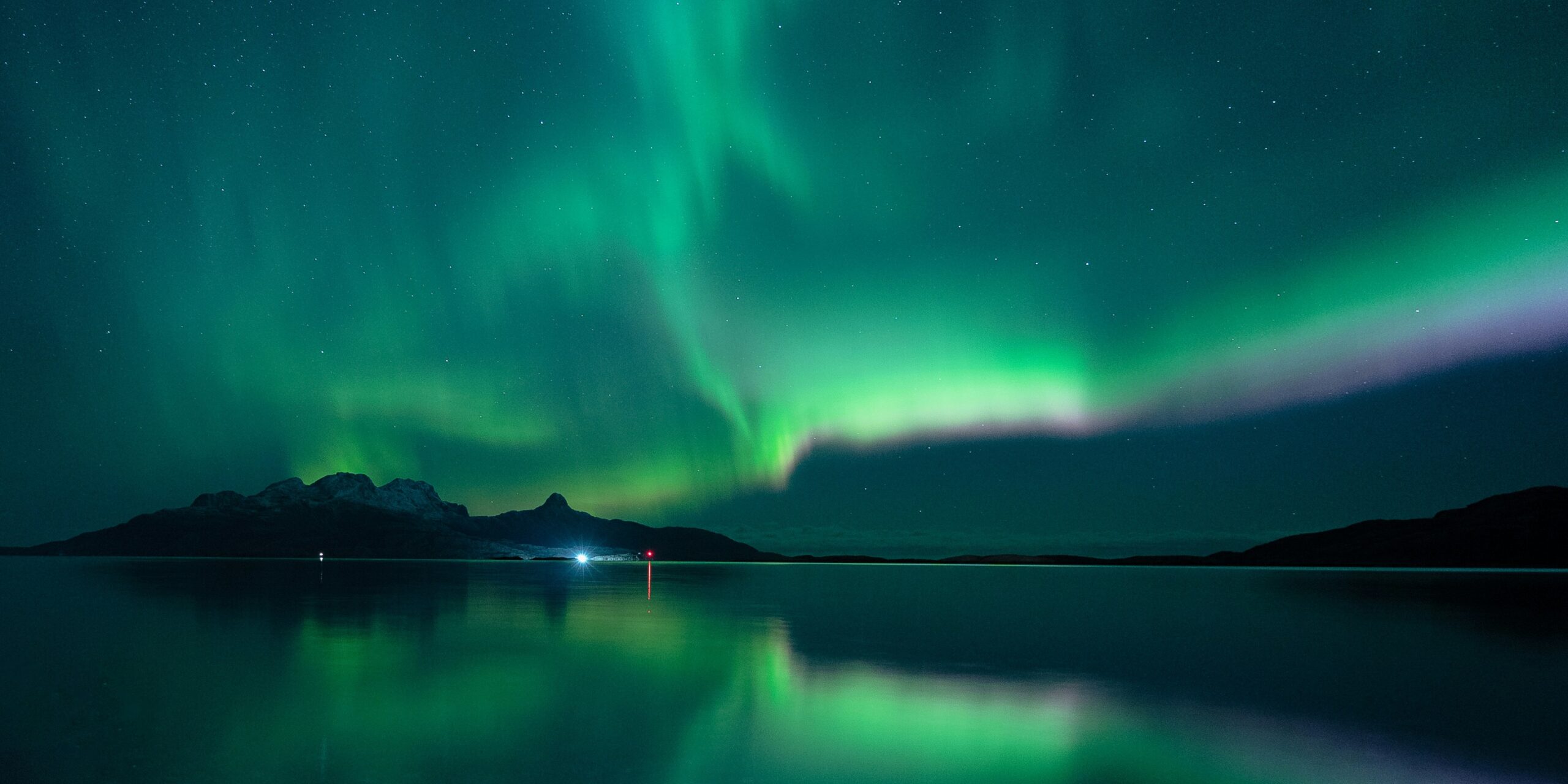
On the evening of January 27, 2026, a rare and breathtaking natural event unfolded in the northern United States, as the aurora borealis, or Northern Lights, illuminated the skies. This stunning light display, visible across much of the northern U.S., was caused by a minor geomagnetic storm triggered by a burst of solar wind. According to the National Oceanic and Atmospheric Administration (NOAA), this burst of solar wind heightened space weather activity, making it more likely for the Northern Lights to be visible in regions that don’t often see such displays. The result was a spectacular show that left skywatchers across the country in awe.
The geomagnetic storm affected up to 11 states near the Canadian border, offering an extraordinary opportunity for people in Alaska, Minnesota, Michigan, Maine, and other northern states to witness the colorful and captivating aurora. For many, it was a rare experience, as the aurora borealis is usually only visible in higher latitudes, such as those found closer to the Arctic. During periods of increased solar activity, like the one on January 27, the Northern Lights can extend further south, giving people in more southern regions the chance to see them.
As the night fell, residents and visitors in these states gathered outdoors, hoping to catch a glimpse of the lights. The aurora borealis is known for its vibrant colors, which can range from greens to purples and reds, creating a stunning display across the night sky. The event was especially exciting for those who had never seen the Northern Lights before, and even for seasoned skywatchers, the intensity of the display made it a memorable occasion.
Experts in the field of space weather recommended using space weather apps and real-time forecasts to maximize the chances of seeing the Northern Lights. These tools allowed observers to track the shifting atmospheric conditions that could affect the visibility of the aurora. The unpredictability of the phenomenon, combined with the excitement of the rare event, made January 27 an unforgettable night for those fortunate enough to experience the magic of the aurora borealis in the northern United States.
For many, the aurora borealis is more than just a natural light show—it is a reminder of the awe-inspiring forces of nature and the beauty that can emerge from the interplay between our planet and the sun. This particular event, sparked by an increased burst of solar wind, added to the growing appreciation for the science behind space weather and the way it impacts life on Earth. As skywatchers gathered to take in the spectacle, they were not just witnessing a light show, but also participating in a shared moment of wonder that connected them to the vastness of the universe.
