
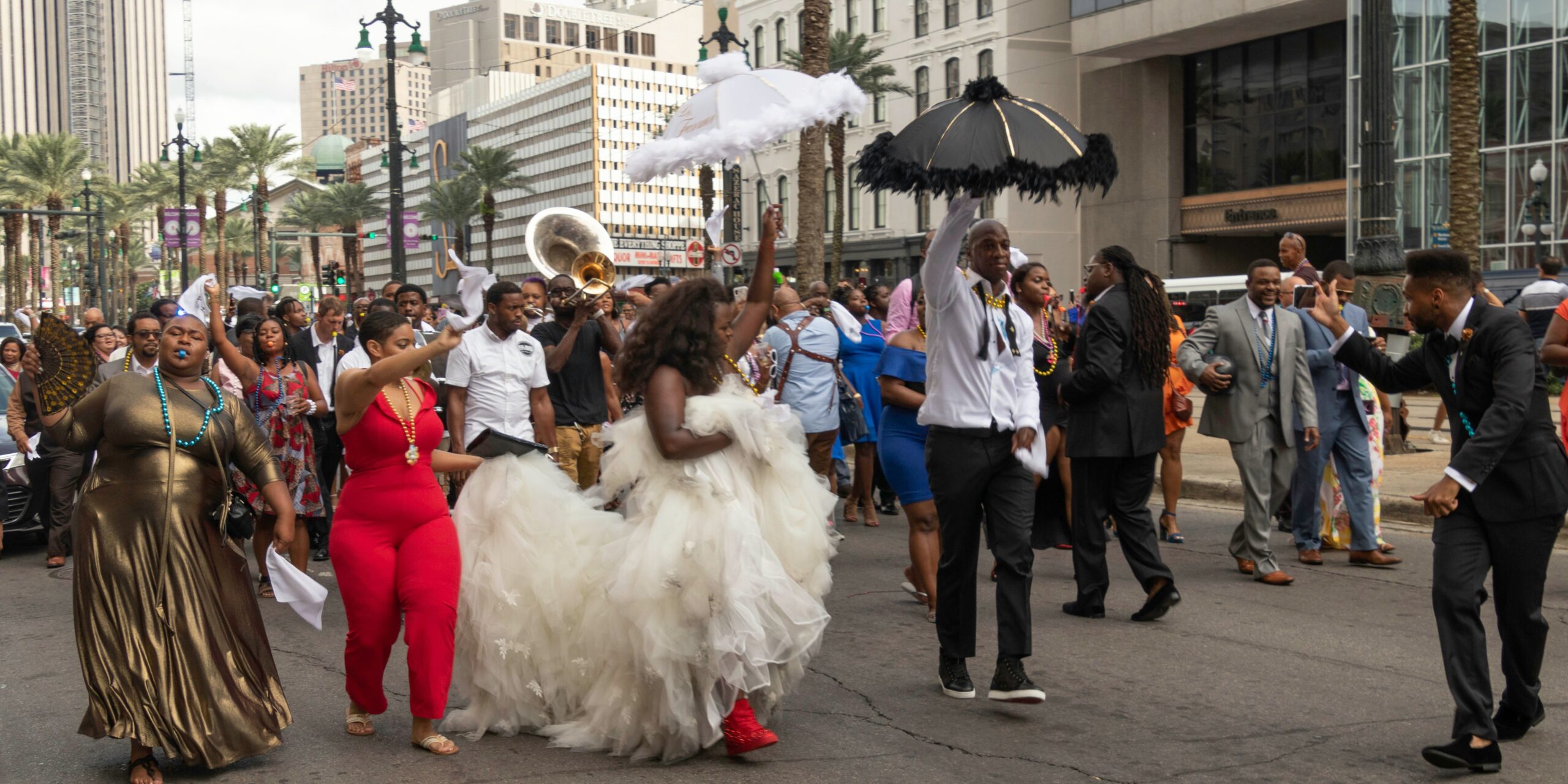
The much-anticipated Mardi Gras season officially began in New Orleans on January 6, 2026, marking the start of a vibrant cultural celebration that will last through early March. As one of the most iconic and deeply-rooted festivals in the United States, Mardi Gras brings together locals and visitors alike to celebrate with parades, music, food, and community events that showcase the city’s rich cultural heritage. January 16 was one of the first major weekends of festivities, offering a preview of the excitement that will build over the coming weeks as the city prepares for its grand celebrations.
This early part of the Mardi Gras season is often marked by neighborhood parades, krewe balls, live music performances, and food events that provide an authentic glimpse into the local culture, away from the larger crowds that gather closer to Fat Tuesday, the festival’s climactic day. These early season events are a chance for attendees to experience the heart of Mardi Gras in a more intimate and accessible way, as they showcase the traditions and customs of the communities that make up New Orleans. For many, this period offers a more authentic and less commercialized view of the celebration, allowing them to enjoy the parades and festivities without the overwhelming throngs that come later in the season.
Locals take pride in their long-standing Mardi Gras traditions, and the early events are no exception. The season begins with Twelfth Night celebrations, marking the official start of the festivities and setting the tone for the weeks ahead. Neighborhoods across the city host their own parades, where participants, known as “krewes,” throw beads, trinkets, and other treasures to onlookers as they make their way through the streets. These smaller parades, though less crowded than the larger ones in the run-up to Fat Tuesday, are often seen as an opportunity to experience the unique charm of the city’s many diverse communities.
Alongside the parades, krewe balls are a highlight of the early season. These elegant affairs are deeply steeped in tradition, often dating back decades, and they offer attendees a chance to celebrate in style while supporting the city’s cultural fabric. Additionally, live music performances, ranging from jazz bands to brass ensembles, fill the air with the sounds of New Orleans, further enhancing the festive atmosphere.
Traditional food events also play a significant role in the early celebrations, with beloved local dishes such as gumbo, jambalaya, and king cakes making their seasonal appearances. These dishes are a staple of Mardi Gras, and locals and visitors alike indulge in the flavors of the city as part of the festivities.
As the season progresses toward its peak, culminating in the exuberant celebrations of Fat Tuesday in early March, the energy and excitement in New Orleans will continue to build. With each passing day, the city becomes more alive with color, music, and the joy of community. Whether in the early days of the season or at the height of the revelry, Mardi Gras in New Orleans remains a testament to the city’s unique spirit, blending history, culture, and celebration into one unforgettable experience.
Read Also: https://socaljournal.com/southern-california-embraces-fall-with-pumpkin-patch-festivities/
