2026 Midterm Elections Enter a Critical Phase as Control of Congress Comes Into Focus
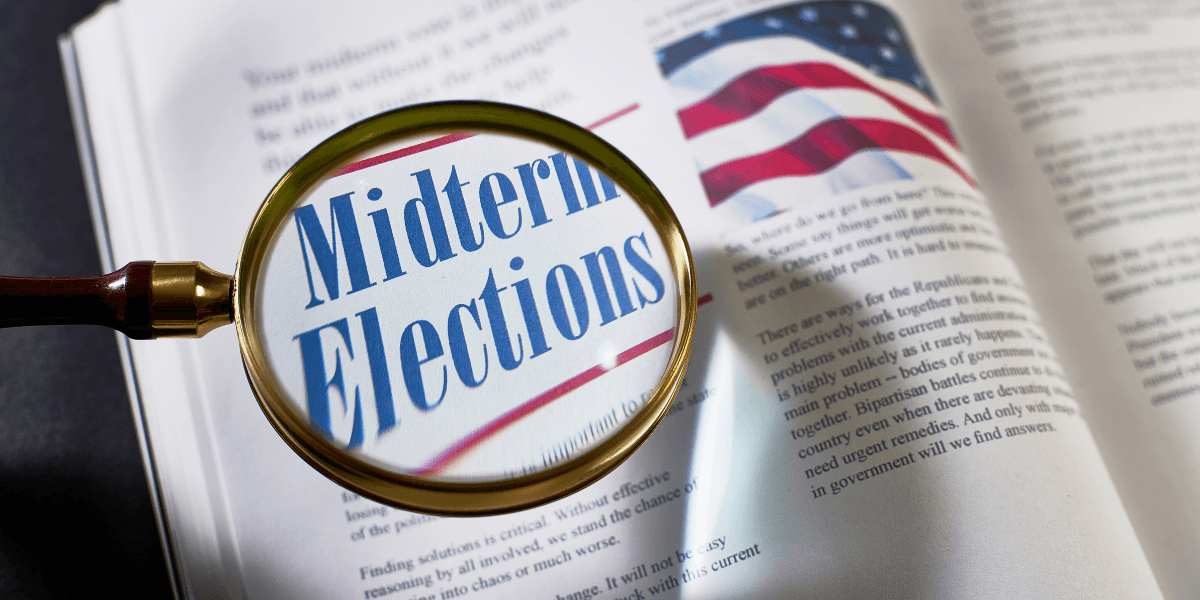
The 2026 U.S. midterm elections are entering a more consequential phase this September as candidates, political parties and voters turn increasing attention toward the November contests that will determine the balance of power in Congress.
With Election Day approaching, control of both the House of Representatives and Senate is becoming a central focus of the national political landscape. The outcome will determine which party controls congressional committees, sets legislative priorities and has greater influence over the federal government's legislative agenda during the remainder of President Donald Trump's current term.
The 2026 elections are taking place two years after the presidential election that returned Trump to the White House. Historically, midterm elections can serve as an important measure of public sentiment toward the administration in power, although individual congressional races are also shaped by local issues, candidate profiles and the political characteristics of individual states and districts.
This year's contests are expected to feature a wide range of competitive races. Several Senate seats are drawing particular attention because the Senate's relatively small number of seats means that a limited number of closely contested races could determine which party holds the majority.
The House presents a different electoral challenge. All 435 voting seats are scheduled to be contested, meaning that control of the chamber can change through relatively modest shifts in voter preferences across competitive districts. A party seeking to win or retain the House must therefore compete across a broad collection of districts, while individual races can be influenced by local economic conditions, turnout and voter priorities.
As the election season progresses, voter attention is also beginning to shift toward practical issues affecting households and communities. The cost of living, inflation, employment, government spending and the direction of federal programs are among the issues receiving attention from candidates and voters.
Economic conditions can be particularly important during midterm elections. Voters often evaluate the performance of the administration and Congress through issues they encounter in everyday life, including household expenses, housing costs and employment opportunities. At the same time, political analysts caution against treating national economic indicators as the sole predictor of individual election results.
Another important factor is voter participation. Midterm elections traditionally attract fewer voters than presidential elections, making turnout especially important in closely contested races. Changes in participation among younger voters, older voters and other demographic groups can significantly affect the outcome of competitive districts and states.
The political environment is also being shaped by the growing amount of campaign activity taking place ahead of November. Candidates are increasing public appearances, communicating with voters and emphasizing the issues they believe will matter most in their districts or states.
For voters, the approaching election provides an opportunity to examine candidates and their positions on issues that directly affect their communities. Congressional elections can have consequences for federal legislation, government funding, oversight and the operation of congressional committees, making the races relevant even when they receive less attention than presidential elections.
The election calendar will vary from state to state, including differences in voter-registration deadlines, early voting periods and absentee or mail-ballot procedures. Voters should therefore consult their state's official election authorities for accurate information about registration status, voting locations and applicable deadlines.
The significance of the 2026 midterms extends beyond individual races. If control of either chamber changes, the congressional balance could alter the legislative process in Washington. A change in House control, for example, would affect committee leadership and the chamber's legislative priorities. A change in Senate control would similarly influence committee assignments, legislation and the chamber's ability to advance the administration's priorities.
However, the final political balance will not be known until voters cast their ballots and election officials complete the counting and certification process. Polling and campaign activity can provide indications of competitiveness, but neither determines the final result.
For Southern California readers, the national contest is accompanied by important congressional races closer to home. California voters will participate in House elections as well as other state and local contests, making the November election relevant at both the national and regional levels.
The weeks ahead are likely to bring increased campaign activity, additional voter information and greater public attention to competitive races. For voters, the most useful approach is to focus on verified information, understand the candidates and issues appearing on their ballots, and use official election resources when checking voting requirements.
The 2026 midterm elections therefore represent an important moment in the U.S. political calendar. With control of Congress at stake, the results will help determine the legislative environment for the remainder of the current presidential term and provide an indication of voters' priorities heading into the next stage of the national political cycle.
Key Takeaways
- The 2026 midterm elections are moving into a more active phase as November approaches.
- Control of the House and Senate will be determined by voters across the country.
- Competitive Senate and House races could determine the overall congressional balance.
- Economic and household concerns are among the issues receiving significant voter attention.
- Turnout could play an important role in closely contested races.
- Voters should rely on official state election authorities for registration, voting and ballot information.

Socal Journal Contributor
Covers property and politics, following development, housing, and the decisions behind both.
This article features partner, contributor, or branded content from a third party. Members of the Socal Journal editorial staff were not involved in the creation of this content. All views and opinions are those of the contributor alone.
You May Also Like

Hair Extensions Los Angeles: Custom Extensions in Santa Monica

The Man Who Cleans Orange County's Dirtiest Cans

Dr. Ahriana Platten Reframes Menopause as a Sacred Journey to Sovereignty

Los Angeles Fire Department Highlights Battery Safety As Fire Prevention Week 2026 Concludes

Walking With Alex Foundation Brings A Powerful Message Of Hope To Hollywood With Its Be The Light Gala